
Quick Read
- Jimmy Kimmel dedicated a 22-minute monologue to his late friend and bandleader, Cleto Escobedo III.
- Escobedo and Kimmel were childhood friends who later worked together on ‘Jimmy Kimmel Live!’ for over two decades.
- Escobedo was a renowned saxophonist, performing with stars like Luis Miguel and Marc Anthony before joining Kimmel’s show.
- Kimmel urged viewers to cherish their friends and keep Escobedo’s family in their thoughts.
Jimmy Kimmel Opens Up About the Loss of Cleto Escobedo III
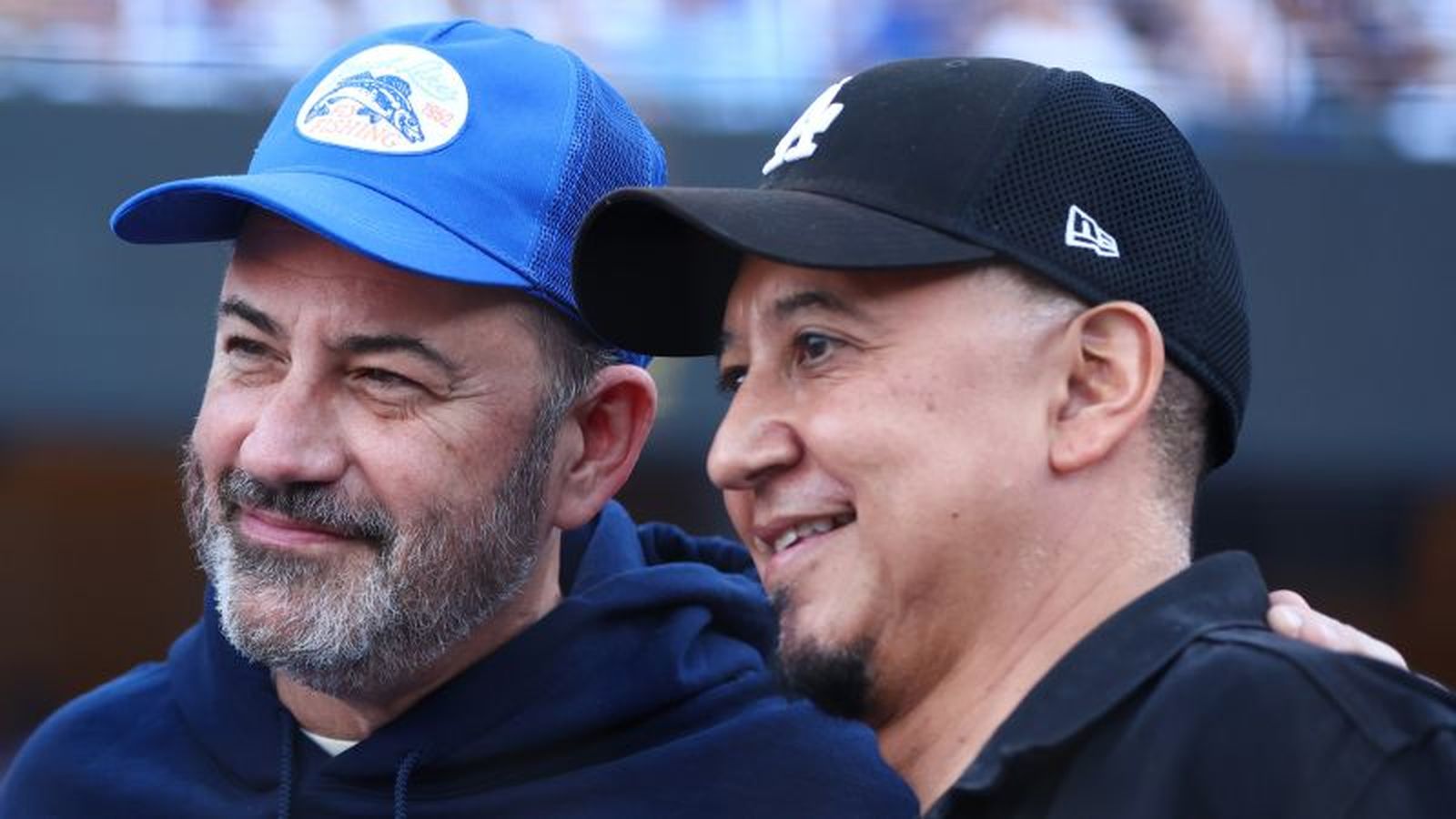
On Tuesday night, the audience at “Jimmy Kimmel Live!” witnessed a rare moment of vulnerability and honesty as host Jimmy Kimmel devoted his opening monologue to the passing of his longtime friend and bandleader, Cleto Escobedo III. The segment, which ran for 22 minutes, was not just a tribute—it was a deeply personal reflection on friendship, music, and loss.
From Childhood Neighbors to Lifelong Companions
“We’ve been on the air for almost 23 years and I’ve had to do some hard monologues along the way, but this one’s the hardest,” Kimmel began, his voice heavy with emotion. The loss of Escobedo, who died at age 59, was not just a professional blow—it was personal. The two met as children in Las Vegas, after Kimmel’s family moved from Brooklyn. Their friendship was instant and intense, transforming them from mere neighbors into inseparable companions.
“We became like 24-7, ‘Mom, please let me sleep over please’ kind of friends,” Kimmel recalled. He spoke fondly of the summers spent at the Escobedo house, joking that he slept over 33 nights in a row one year. Their adventures ranged from shooting pool to backyard boxing matches, but it was their shared admiration for David Letterman that truly bonded them—a dream that would later shape their careers.
The Journey to Late Night Fame
Cleto Escobedo III’s musical journey was impressive in its own right. A gifted saxophonist, Escobedo toured with industry giants like Luis Miguel, Marc Anthony, and Philip Bailey of Earth, Wind & Fire. Kimmel shared a clip of Escobedo performing with Paula Abdul, a testament to his talent and versatility.
When Kimmel launched his late night talk show in 2002, there was no question about who would lead his band. “Of course I wanted Cleto to lead my band,” Kimmel said. Inspired by their childhood idols David Letterman and Paul Shaffer, the two friends realized a dream that had once seemed impossibly distant.
Escobedo didn’t come alone; he brought his father into the fold, forming the band “Cleto and the Cletones.” The elder Escobedo was present at Tuesday’s show, and Cleto’s mother Sylvia, who frequently attended tapings, was also in the audience, quietly saying a rosary. The presence of family underscored the deeply intertwined personal and professional relationships that defined the show’s musical heart.
Sharing Grief With Millions
Kimmel used the platform not only to honor his friend but also to break the news of Escobedo’s death to a wider audience. On social media, he wrote: “Early this morning, we lost a great friend, father, son, musician and man, my longtime bandleader Cleto Escobedo III. To say that we are heartbroken is an understatement.”
His words resonated far beyond the studio, reaching viewers who may never have met Escobedo but had come to recognize his presence on the show. Kimmel’s tribute was a reminder of the invisible threads that tie television personalities to their audiences, connecting them through shared moments of joy and sorrow.
“The fact that we got to work together every day is a dream neither of us could ever have imagined would come true,” Kimmel wrote, urging viewers to cherish their friends and keep Escobedo’s family in their prayers. In a medium often defined by quick jokes and fleeting sketches, this segment stood out for its sincerity and depth.
The Legacy of Cleto Escobedo III
For over two decades, Escobedo was more than just the man behind the music on “Jimmy Kimmel Live!” He was a creative force, a connector, and a friend to many. His contributions extended beyond the stage; he helped shape the show’s identity and fostered a sense of family among the crew and cast.
Escobedo’s musical career prior to joining Kimmel’s show was distinguished by collaborations with renowned artists and tours that took him across the world. His versatility on the saxophone and other instruments earned him respect in the industry, but it was his warmth and humor that endeared him to those around him.
On Tuesday, Kimmel didn’t shy away from sharing the pain of loss, but he also celebrated the joy of having shared a life with someone as remarkable as Escobedo. The tribute concluded with a heartfelt message: “Cherish your friends.” It was a simple, powerful reminder—one that resonated with anyone who has ever mourned someone close.
A Community in Mourning
The impact of Escobedo’s passing was felt not only on set but throughout the entertainment industry. Musicians, colleagues, and fans expressed their condolences online, sharing stories of Escobedo’s kindness and talent. His family, including his wife, children, and parents, received an outpouring of support.
For viewers, the monologue was an unexpected pause in the usual rhythm of late night television—a moment to reflect on the relationships that shape our lives. In honoring Escobedo, Kimmel also invited his audience to consider the value of friendship, the unpredictability of life, and the ways in which we remember those we have lost.
As the show ended, there was no fanfare—just the quiet acknowledgment of a life well-lived and a friendship that had endured for decades. It was, perhaps, the most powerful tribute one could hope for on live television.
Kimmel’s monologue revealed the true heart of late night television: beneath the laughter and celebrity interviews, it is the human connections—both on and off screen—that matter most. The honest, unscripted grief shared with millions showed that even in public loss, there can be dignity, gratitude, and hope for healing.