
Quick Read
- Former Jimmy Kimmel writer Bess Kalb testified before a House Judiciary Committee.
- Kalb alleged former President Donald Trump attempted to silence late-night hosts, including Jimmy Kimmel.
- She stated Jimmy Kimmel Live! was “briefly yanked off air” after a monologue displeased Trump.
- Kalb emphasized late-night hosts like Kimmel are “vital satirists” shaping public opinion.
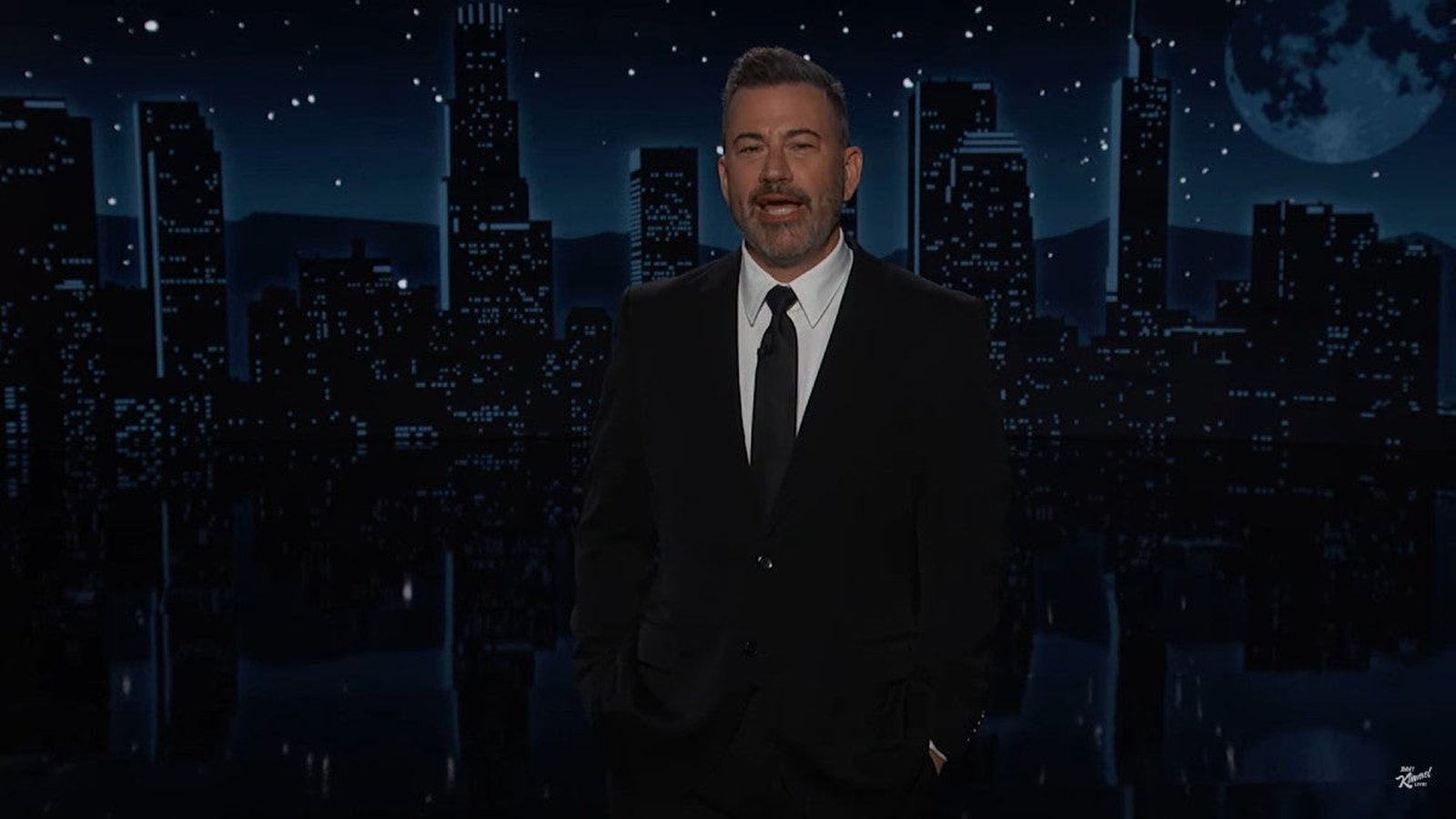
- Jimmy Kimmel recently delayed his show to offer a direct “reality check” to President Trump’s State of the Union speech.
WASHINGTON (Azat TV) – A former writer for popular American television host Jimmy Kimmel recently testified before a House Judiciary Committee on Capitol Hill, alleging that the Trump administration had attempted to silence late-night comedians. Bess Kalb, who wrote for Jimmy Kimmel Live! for eight years until 2020, joined Democrats in a Monday hearing titled “Silencing Dissent: The First Amendment Under Attack.” Her testimony highlighted the ongoing relevance of late-night satire in shaping public opinion and political discourse, underscoring Jimmy Kimmel’s continued influence as a prominent figure in American media.
Satire Under Scrutiny: Kalb’s Congressional Testimony
During her impactful testimony, Bess Kalb characterized former President Donald Trump as both the ‘best and worst audience’ for comedy writers. She explained that Trump, unlike many Americans, actively watched late-night television and cared deeply about the commentary from ‘network men in suits.’ However, Kalb asserted that Trump was also the ‘worst audience’ due to his ‘inexplicably bruised skin’ and alleged thin skin, frequently complaining about jokes in real-time on his social media platform, Truth Social.
Kalb detailed specific instances of alleged retaliation, claiming that Trump, despite advocating for free speech, spent his second term seeking revenge on perceived enemies. She referenced the reported non-renewal of The Late Show with Stephen Colbert by CBS, which she satirically compared to the bulldozing of the East Wing of the White House. More directly concerning Kimmel, Kalb stated that Jimmy Kimmel Live! was ‘briefly yanked off air’ because a monologue discussing a MAGA reaction to the murder of right-wing figure Charlie Kirk ‘displeased’ Trump. She added that Trump was allegedly ‘positively giddy’ on Truth Social about the temporary cancellation, which she attributed to his orders to FCC head Brendan Carr. The Trump administration has denied responsibility for these cancellations, with White House spokesperson Abigail Jackson stating that Americans care more about the President’s actions on the economy and crime than ‘low-rating ‘comedy’ show writers.’
Jimmy Kimmel’s Direct Political Commentary
The significance of late-night hosts as political commentators, as articulated by Kalb, is frequently demonstrated by Jimmy Kimmel himself. Just a day after the House hearing, Kimmel delayed his show’s taping to respond directly to President Trump’s State of the Union speech. Trump’s address, which lasted a record-breaking 1 hour and 48 minutes, forced Kimmel to begin his program while the speech was still in progress, prompting him to quip, ‘The speech went on so long, Kristi Noem’s dog shot itself.’
Kimmel used his platform to deliver what he called ‘the real State of the Union,’ offering a pointed ‘reality check’ to the President. He criticized Trump as a ‘nutjob wannabe king’ attempting to censor opinions and engaging in actions detrimental to American citizens, including alleged cuts to cancer research and children’s hospitals while enriching himself. This direct, unvarnished commentary exemplifies the role of late-night television in providing immediate, critical responses to political events and shaping public perception.
The Broader Impact of Late-Night Satire
Kalb underscored that silencing a late-night show does not merely remove a platform for ‘speaking truth to power’ but also impacts TV programs that reach a wide and diverse audience. She emphasized her belief that late-night hosts such as Stephen Colbert and Jimmy Kimmel are ‘vital satirists’ who play a crucial role in how millions of Americans absorb the day’s news. According to Kalb, these comedians use their platforms to ‘make tangible, incremental, ideological change through satire dressed up in a suit,’ hoping to reflect news through a lens openly critical of the government, regardless of who occupies the Oval Office. This, she argued, can significantly shape an electorate’s opinion.
The former Kimmel writer concluded her testimony by asserting that the alleged cancellations of late-night shows were not about controlling jokes but rather about controlling criticism of the administration and its corporate allies. She suggested it was an instance of the state using its power to dictate what is profitable to say, prioritizing financial interests over the First Amendment.
The recent congressional testimony and Jimmy Kimmel’s consistent engagement with political commentary underscore the enduring significance of late-night comedy as a crucial battleground for free speech and political discourse in contemporary American media, highlighting its role in both entertaining and informing the public.