
Quick Read
- Jimmy Kimmel harshly criticized Donald Trump’s response to Rob Reiner’s death, calling it hateful and vile.
- Kimmel’s show was briefly suspended by ABC in 2025 after controversial remarks, fueling debates about free speech.
- Trump has filed multiple lawsuits against major media outlets, intensifying his fight against critical coverage.
- Late-night hosts and entertainment figures rallied in support of Kimmel, defending freedom of expression.
- The death of Rob and Michele Reiner prompted tributes from Michelle and Barack Obama, emphasizing compassion over division.
Jimmy Kimmel: Late-Night Host in the Crosshairs
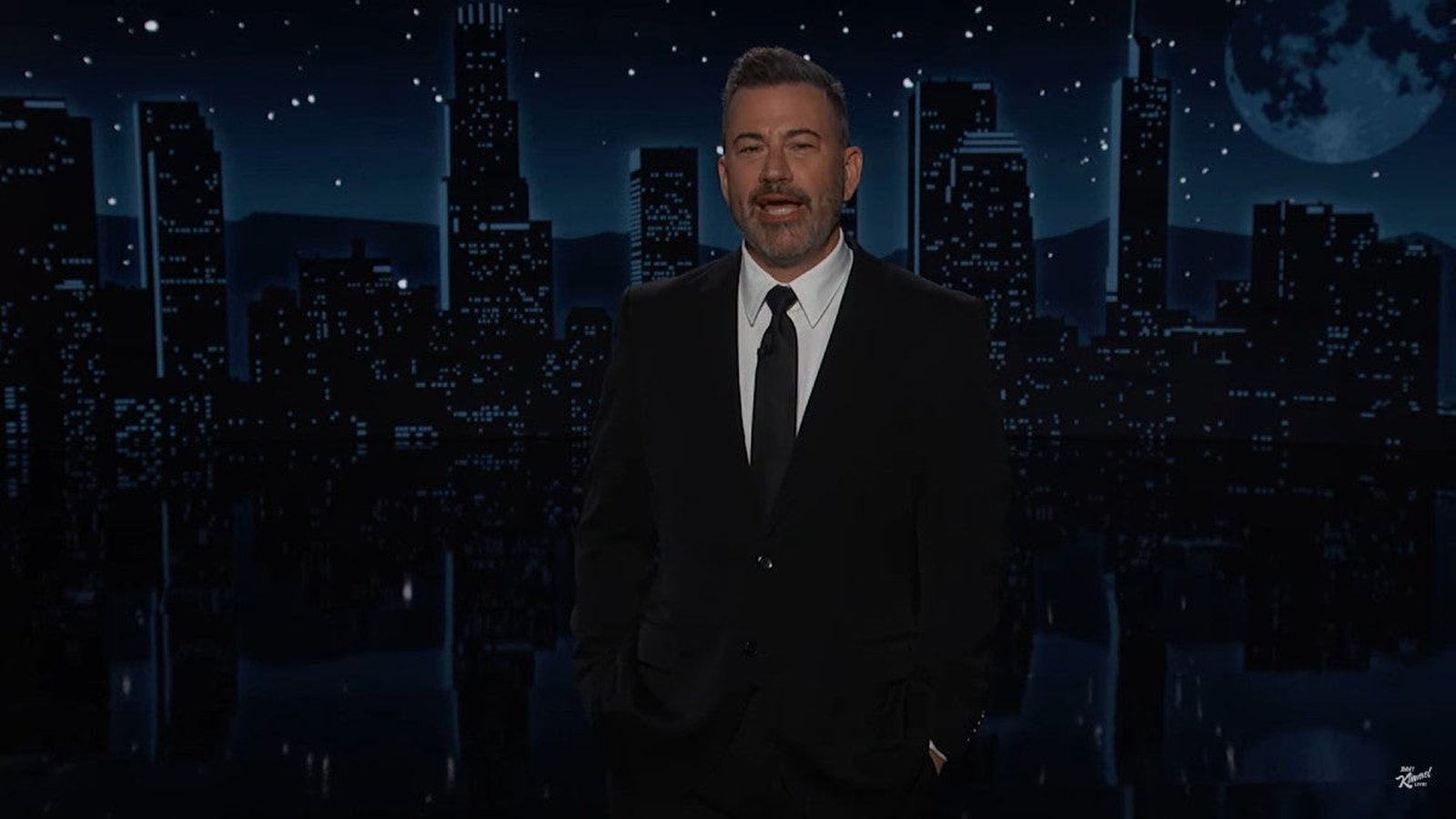
Jimmy Kimmel’s role as a late-night host has never been just about comedy—it’s about confronting the issues at the heart of American society. In recent years, his show has become a platform for sharp critiques of President Donald Trump, especially when politics collide with tragedy and the boundaries of free speech. But the events of December 2025 have cast Kimmel’s voice into an even brighter spotlight, exposing the depth of the cultural divide and the personal toll of public debate.
Rob Reiner’s Death and Trump’s Controversial Reaction
On a somber Monday night, Kimmel opened his show with reflections on a weekend marked by violence—a mass shooting at Australia’s Bondi Beach, another at Brown University, and the murder of legendary filmmaker Rob Reiner and his wife Michele Singer Reiner. Their son, Nick Reiner, was arrested on suspicion of murder, a fact that sent shockwaves through Hollywood and the wider public.
But what truly stoked outrage was not just the tragedy itself, but President Trump’s reaction. In a Truth Social post, Trump claimed the couple had “passed away” due to “the anger he caused others through his massive, unyielding, and incurable affliction with a mind crippling disease known as TRUMP DERANGEMENT SYNDROME.” Kimmel, visibly shaken and incredulous, called the remarks “so hateful and vile”—the kind of statement that, in his words, “makes you wonder if things will ever feel good again.” For Kimmel, Trump’s response wasn’t just a misreading of events; it was a deliberate attempt to politicize a personal tragedy and insult the memory of a family lost.
Kimmel’s response was both personal and pointed. He reminded viewers that, despite political differences, moments like these demand compassion and leadership, not “a fool rambling about nonsense.” The host noted that Trump had doubled down on his comments, again calling Reiner “deranged” and claiming he was “very bad for our country.” Kimmel’s verdict: “That corroded brain is in charge of our lives. If you voted for that, it’s okay to reconsider.”
Late-Night Solidarity and the Battle for Free Speech
Kimmel’s confrontation with Trump is part of a wider struggle between late-night hosts and the $1. In September, ABC suspended “Jimmy Kimmel Live!” after Kimmel made controversial remarks about the killing of conservative activist Charlie Kirk, only to reinstate the show a week later after public backlash. Trump celebrated the suspension, calling it “great news for America,” while FCC Chairman Brendan Carr suggested legal action against Kimmel and ABC for spreading misinformation.
This move sparked an unprecedented wave of solidarity among late-night hosts—Jon Stewart, Jimmy Fallon, Seth Meyers, and Stephen Colbert all voiced support for Kimmel. Hundreds of entertainment figures, led by the American Civil Liberties Union, signed a letter condemning ABC’s suspension as “a dark moment for freedom of speech in our nation.” The incident highlighted a fundamental tension: the right of entertainers and journalists to speak truth to power versus the government’s attempts to silence dissenting voices.
Trump’s Legal Battles with Media: The Cost of Critique
Beyond personal attacks, Trump’s presidency has been marked by a slew of lawsuits targeting major media organizations. From a $15 billion defamation suit against the New York Times—criticized by the courts for its length and lack of substance—to a $10 billion claim against the BBC for alleged misrepresentation of his January 6 speech, Trump has used litigation as a tool to challenge critical coverage.
The BBC, for its part, apologized for editing Trump’s speech but denied defamation. The New York Times called Trump’s lawsuit “meritless” and an attempt to discourage independent reporting. Similar battles were waged against The Wall Street Journal and CBS, with settlements and court rulings often falling in favor of media organizations on First Amendment grounds.
Kimmel’s own experience reflects the risks faced by public figures who challenge Trump’s narrative. The host’s remarks have made him a lightning rod for controversy, but also a symbol of resistance—his show, and the support it garners, standing as a bulwark against efforts to curtail free expression.
Remembering Rob Reiner: Compassion Versus Division
The death of Rob and Michele Reiner was a moment for reflection. On Kimmel’s show, Michelle Obama joined to honor the couple’s legacy, describing them as “courageous people” who cared deeply about family, country, fairness, and equity. Barack Obama echoed these sentiments, noting Reiner’s “deep belief in the goodness of people” and his commitment to inspiring others.
For Kimmel, this was a reminder that in times of crisis, the nation needs leaders who embody compassion, not division. “We’re going to keep pointing out the loathsome atrocities that continue to ooze out of this sick and irresponsible man’s mouth, and so we’re going to do that, over and over again, until the rest of us wake up,” he vowed.
The Larger Story: Media, Power, and the Struggle for Truth
Kimmel’s feud with Trump is emblematic of a broader fight over who controls the narrative in America. The battle lines run through newsrooms, courtrooms, and the living rooms of millions who tune in for late-night TV. At stake is not just the freedom of the press, but the soul of public discourse—whether truth, compassion, and accountability can survive in an era of relentless political polarization.
As media organizations grapple with lawsuits, suspensions, and executive orders aimed at curbing their influence, figures like Kimmel play a crucial role in reminding audiences of the stakes. It’s not just about ratings or entertainment—it’s about defending the principles that underpin democracy itself.
In the end, Jimmy Kimmel’s unwavering criticism of Trump, especially in moments of tragedy, highlights the enduring importance of free speech and responsible leadership. His willingness to confront power, even at personal and professional risk, serves as a vital counterweight to attempts at silencing dissent. The story is far from over, but for now, voices like Kimmel’s remain an essential part of America’s ongoing dialogue about truth, compassion, and the future of its democracy.