
Quick Read
- Jimmy Mizen’s killer was denied a transfer to an open prison by the parole board.
- The denial was explicitly based on the killer’s alleged pattern of ‘lies’.
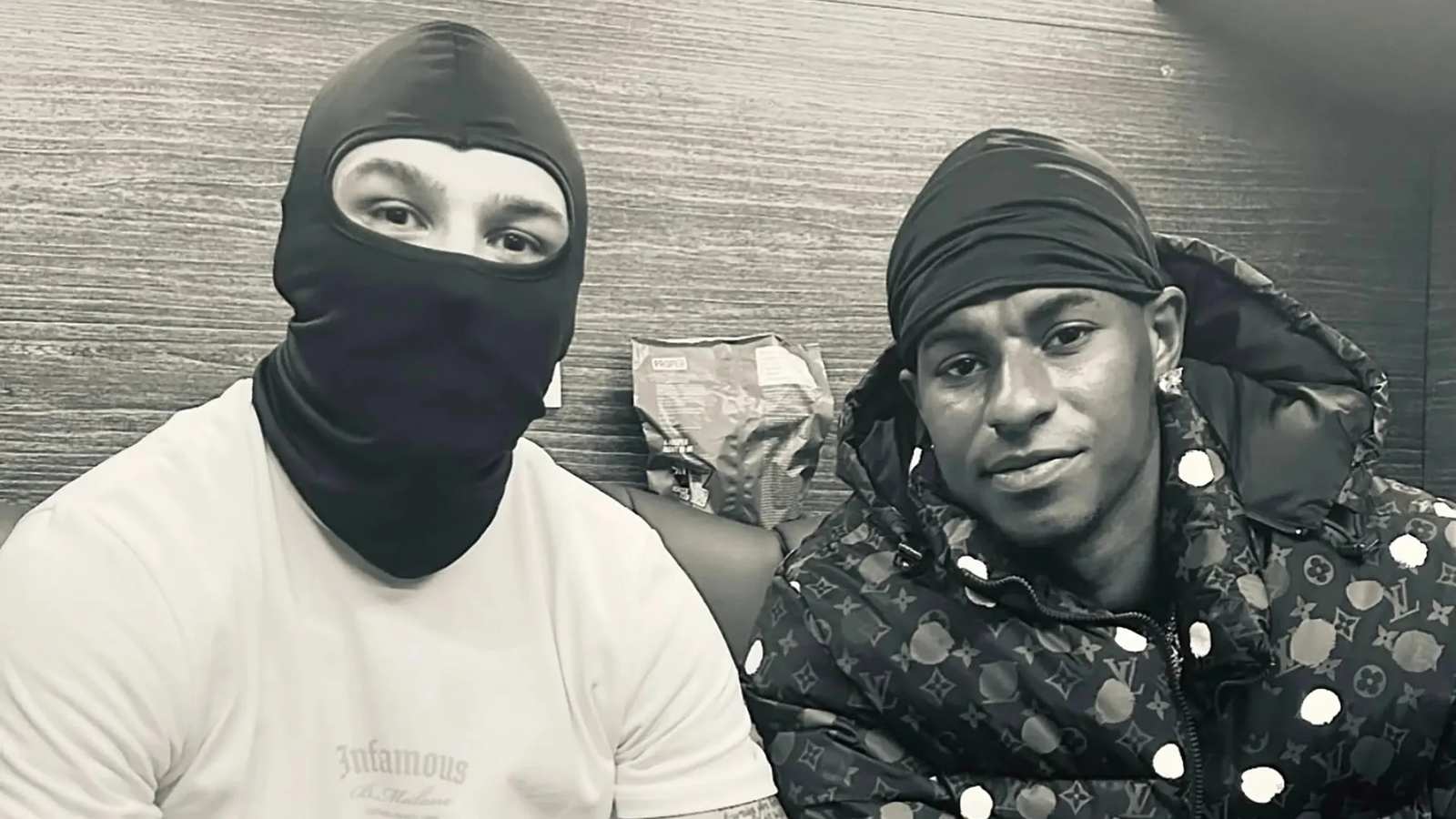
- The killer reportedly ‘duped’ football star Marcus Rashford into posing for a photo.
- The incident involving Rashford caused widespread public outrage and concern.
- Jimmy Mizen’s family continues to advocate for justice and transparency in the penal system.
The name Jimmy Mizen echoes with a profound sense of loss and injustice in the hearts of many. Eighteen years after his senseless murder, the perpetrator behind this horrific crime has once again captured national attention, not for rehabilitation, but for a deeply unsettling act: allegedly duping football icon Marcus Rashford into a photograph. This incident, coupled with a subsequent denial by the parole board for a move to an open prison due to a pattern of ‘lies,’ has ignited a fierce public debate about justice, accountability, and the very nature of rehabilitation within the penal system.
The events surrounding the convicted killer’s recent conduct have sent shockwaves through the Mizen family and the wider community. For a family still grappling with an irreplaceable void, the sight of their son’s killer seemingly exploiting a moment with a beloved public figure, only to then be exposed for dishonesty, represents a fresh wound. It underscores the enduring pain that victims’ families face, often long after a verdict has been delivered and sentences handed down.
A Legacy of Loss: Remembering Jimmy Mizen
Jimmy Mizen, just 16 years old, was murdered in a brutal, unprovoked attack in May 2008 in what was described as a senseless act of violence. His death sent shockwaves across the United Kingdom, becoming a tragic symbol of youth violence and the devastating impact it leaves on families and communities. Jimmy was known for his gentle nature and strong family values, and his loss was profoundly felt. His family, particularly his parents, Barry and Margaret Mizen, have since become tireless campaigners for peace and reconciliation, establishing the Jimmy Mizen Foundation to promote hope and forgiveness in the face of tragedy. Their unwavering commitment to transforming their grief into a force for good has been a beacon for many, yet the shadow of their son’s murder remains a constant presence.
The perpetrator, who was convicted of murder, has spent years incarcerated, a period during which the Mizen family has consistently advocated for a justice system that prioritizes truth and genuine remorse. Each parole hearing, each potential step towards greater liberty for their son’s killer, reopens old wounds and tests their extraordinary resolve. The recent developments have, for many, brought into sharp focus the complexities and emotional toll of living with such a profound loss.
The Unsettling Snapshot: How a Convicted Killer Duped Marcus Rashford
The incident involving Marcus Rashford, the celebrated Manchester United and England footballer, has been met with widespread condemnation and disbelief. Reports indicate that the convicted killer managed to secure a photograph with Rashford, an act that has been widely perceived as an opportunistic and manipulative gesture. While the exact circumstances remain somewhat murky, it is understood that Rashford was likely unaware of the individual’s identity or their heinous past when the photo was taken. Public figures, especially those involved in charitable work or community outreach, often encounter numerous individuals, making them vulnerable to such exploitative situations.
The photo quickly circulated, causing outrage among the public and particularly within the victim support community. For many, it represented a brazen attempt by the killer to project an image of normalcy or even rehabilitation, potentially to influence future parole decisions. The fact that a convicted murderer, still serving time for a horrific crime, could manipulate such an encounter with a national hero sparked serious questions about prison protocols, visitor screening, and the broader environment within correctional facilities. It highlighted how even seemingly innocuous interactions can be weaponized by those seeking to escape the full consequences of their actions.
Marcus Rashford, known for his integrity and profound social conscience, has not publicly commented on the incident. However, it is widely assumed that he would be deeply distressed to learn of the true identity and intentions of the individual who sought the photograph. The incident inadvertently placed Rashford in a difficult position, underscoring the challenges faced by high-profile individuals who engage with the public in good faith.
Lies and Consequences: Parole Denied for Open Prison Transfer
Following the controversy surrounding the Rashford photograph, further scrutiny was applied to the convicted killer’s application for a transfer to an open prison. Open prisons are designed for inmates nearing the end of their sentences, who have demonstrated significant progress in rehabilitation and pose a minimal risk to the public. Such transfers are crucial steps towards reintegration into society, offering more freedom and opportunities for work or education in a less restrictive environment.
However, the parole board, after a thorough review of the case, delivered a decisive blow to the killer’s hopes, blocking the move. The primary reason cited for this refusal was a pattern of ‘lies.’ This finding is particularly damning, suggesting that the perpetrator has failed to demonstrate genuine remorse, honesty, or a willingness to engage truthfully with the rehabilitation process. In the complex world of parole decisions, honesty is paramount. Any attempt to deceive or mislead the board is viewed as a significant indicator of continued risk and a lack of insight into past offending behavior.
The board’s decision was a welcome relief for the Mizen family, who have consistently voiced their concerns about the killer’s potential release or transfer to a less secure facility. For them, this outcome reaffirms the importance of rigorous scrutiny and accountability within the justice system, ensuring that public safety and the truth remain at the forefront of such critical decisions. It also sends a clear message that manipulative behavior, whether inside or outside prison walls, will not be tolerated or rewarded.
The decision reverberates beyond the immediate case, sparking wider discussions about the efficacy of rehabilitation programs and the criteria used for assessing an inmate’s readiness for reintegration. It compels a re-evaluation of how ‘progress’ is measured and how genuinely remorseful individuals are distinguished from those who merely seek to game the system.
Beyond the Headlines: The Mizen Family’s Enduring Fight for Justice
For Barry and Margaret Mizen, the parents of Jimmy, these developments are a grim reminder of their ongoing battle for justice. Their grace and dignity in the face of unimaginable sorrow have been an inspiration, yet the repeated encounters with their son’s killer through the legal system are an emotional ordeal. Each piece of news, especially one as shocking as the Rashford photo, forces them to relive the trauma of Jimmy’s murder.
Their advocacy for stronger victim rights and a more transparent justice system continues unabated. The Mizen family’s experience highlights the often-overlooked emotional burden carried by victims’ relatives, who must navigate a system that frequently prioritizes the rights of offenders while sometimes neglecting the enduring pain of those left behind. Their fight is not just for Jimmy, but for all victims of violent crime, seeking a balance where accountability is truly met with genuine rehabilitation and public safety.
The parole board’s decision to deny the killer of Jimmy Mizen a move to an open prison, particularly due to a finding of ‘lies’ and the preceding incident involving Marcus Rashford, underscores a critical tension within the justice system: the delicate balance between rehabilitation and public protection. This case vividly illustrates that true rehabilitation demands not just time served, but a profound and demonstrable commitment to honesty, accountability, and genuine remorse, without which, public trust in the system erodes and the healing process for victims’ families is continuously undermined.