
Quick Read
- Senator John Fetterman collapsed during a morning walk due to ventricular fibrillation, a serious heart rhythm disorder.
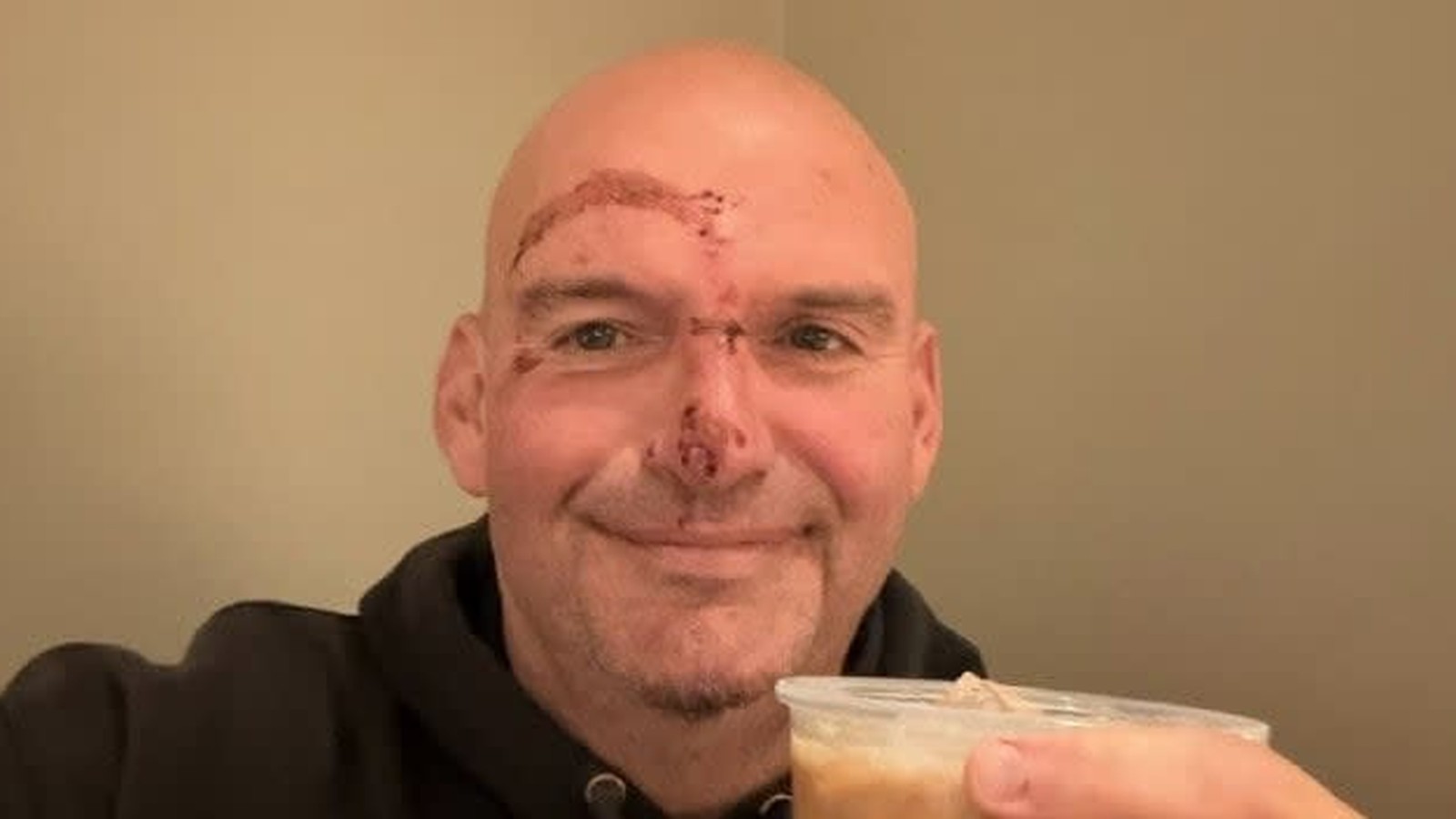
- He was hospitalized, received 20 stitches for facial injuries, and is now recovering at home.
- Fetterman’s memoir, released this week, focuses on his mental health struggles and unconventional political persona.
- His bipartisan approach has shifted voter support, gaining favor with Republicans but losing ground among Democrats.
- His future in the Senate remains uncertain amid health concerns and political realignment.
Fetterman’s Sudden Health Emergency: The Facts Behind the Headlines
Early Thursday morning, Senator John Fetterman collapsed during his routine walk near his home in Braddock, Pennsylvania. The incident was abrupt—he felt lightheaded, fell, and sustained visible facial injuries. He was swiftly hospitalized in Pittsburgh, where doctors diagnosed the cause: a flare-up of ventricular fibrillation, a dangerous heart rhythm disorder.
Ventricular fibrillation (VF) isn’t just a medical term—it’s a life-threatening condition. The American Heart Association describes VF as the heart’s lower chambers suddenly quivering instead of beating properly, disrupting blood flow and potentially causing cardiac arrest within minutes if left untreated. For Fetterman, this episode meant 20 stitches and a short hospital stay, but it also served as a public reminder of his ongoing battle with serious health issues.
How Did Fetterman Get Here? The Backstory of a Reluctant Politician
John Fetterman’s journey to the U.S. Senate has never been a typical political story. In his newly released memoir, Unfettered, Fetterman lays bare his discomfort with the conventions of political life. He admits he’s not a natural at small talk and crowds, and that his appearance—he once joked he looked like a skinhead—sets him apart from the standard senator.
But it’s not just his persona that’s unusual. Fetterman’s life has been marked by years spent in struggling, often overlooked communities. His time as mayor of Braddock shaped his view of public service, and he claims his only motivation for holding office is to be an authentic advocate for people who feel forgotten by the system. The book doesn’t dwell on policy specifics; instead, it focuses on his personal struggles, especially his ongoing health challenges and mental health battles.
Health Challenges That Won’t Go Away
Fetterman’s health has been a public concern since 2022, when he suffered a stroke during his Senate campaign. The cause: a blood clot resulting from his heart being in atrial fibrillation (A-fib) for too long. That event led to the implantation of a pacemaker and defibrillator, and a grueling recovery marked by auditory processing difficulties and depression.
His medical history is complex. In February 2023, Fetterman was hospitalized for feeling lightheaded, though tests ruled out another stroke. Weeks later, he voluntarily checked into Walter Reed National Military Medical Center for severe depression, spending six weeks in treatment. These episodes have fueled public and media speculation about his ability to serve effectively, and some former staffers have raised concerns about his adherence to medication and health regimens.
This recent hospitalization for ventricular fibrillation—potentially fatal if not treated immediately—only adds to the list. The senator has responded with candor, posting a photo of his bruised face on social media and assuring supporters of his recovery. He expressed gratitude for his family and the medical team at UPMC, stating, “20 stitches later and a full recovery, I’m back home with @giselefetterman and the kids.”
Political Fallout: A Persona Under Scrutiny
Fetterman’s health isn’t the only thing drawing attention. The release of Unfettered and his subsequent media tour have spotlighted his unusual approach to politics. Rather than doubling down on party lines, Fetterman has cultivated an image as a “purple state radical centrist.” Analysts like Matthew Jordan from Penn State University note that his focus is less on legislative details and more on projecting an authentic, bipartisan persona.
This strategy is not without risk. Recent polls show a dramatic shift: Fetterman’s approval among Republicans has climbed, while support among Democrats has dwindled. His positions—such as his unwavering support for Israel during controversial military actions in Gaza and his criticism of party leadership—have alienated some progressive supporters. Donors have asked for their money back, and some constituents are openly questioning his future in office.
During the government shutdown, Fetterman was one of only eight senators to cross party lines in support of reopening the government, prioritizing the needs of federal workers over the party’s strategy. He’s appeared frequently on conservative media, acknowledging that he’s less welcome on progressive outlets like MSNBC. “Pennsylvania keeps you honest,” he told multiple interviewers, framing his approach as necessary for a swing state where voter allegiances shift dramatically year to year.
What’s Next for Fetterman and Pennsylvania?
The landscape Fetterman navigates is uniquely volatile. Pennsylvania’s electorate is famous for swinging between parties: from Obama to Trump, Shapiro to Garrity. Fetterman’s attempts to court Republican voters are part of a long tradition, but as political communication expert Josh Scacco points out, he can’t afford to lose his Democratic base if he hopes for reelection. The fate of his career may hinge on whether his “radical centrist” persona can bridge the growing partisan divide.
There’s also the question of public attention. In the age of constant media cycles, Fetterman’s book and his openness about health issues may keep him in the spotlight, for better or worse. As Scacco observes, “attention is key—a major currency in the modern environment.” Even negative coverage keeps his name in the conversation.
Ultimately, Fetterman’s story is about resilience—physically, mentally, and politically. But it’s also about the uncertainty that comes with being a public figure in a deeply divided state, with health concerns that can flare up unexpectedly.
John Fetterman’s approach—openness about personal struggles and a deliberate move toward the political center—reflects both the strengths and vulnerabilities of contemporary American politics. His health scares remind voters of the human side of leadership, while his shifting alliances highlight the challenges of representing a state as unpredictable as Pennsylvania. Whether this strategy will secure his future in the Senate remains uncertain, but it’s a narrative that resonates far beyond party lines.