
Quick Read
- A joint Syrian-US patrol near Palmyra was attacked; the assailant was killed.
- Two Syrian and several US personnel were wounded, evacuated to al-Tanf base.
- Traffic on a major highway was halted as military aircraft responded.
- The motive for the attack remains unknown; the Pentagon has not commented.
- Syria continues to face security challenges a year after Assad’s ouster.
Gunfire Erupts Near Palmyra: Syrian-US Patrol Under Attack
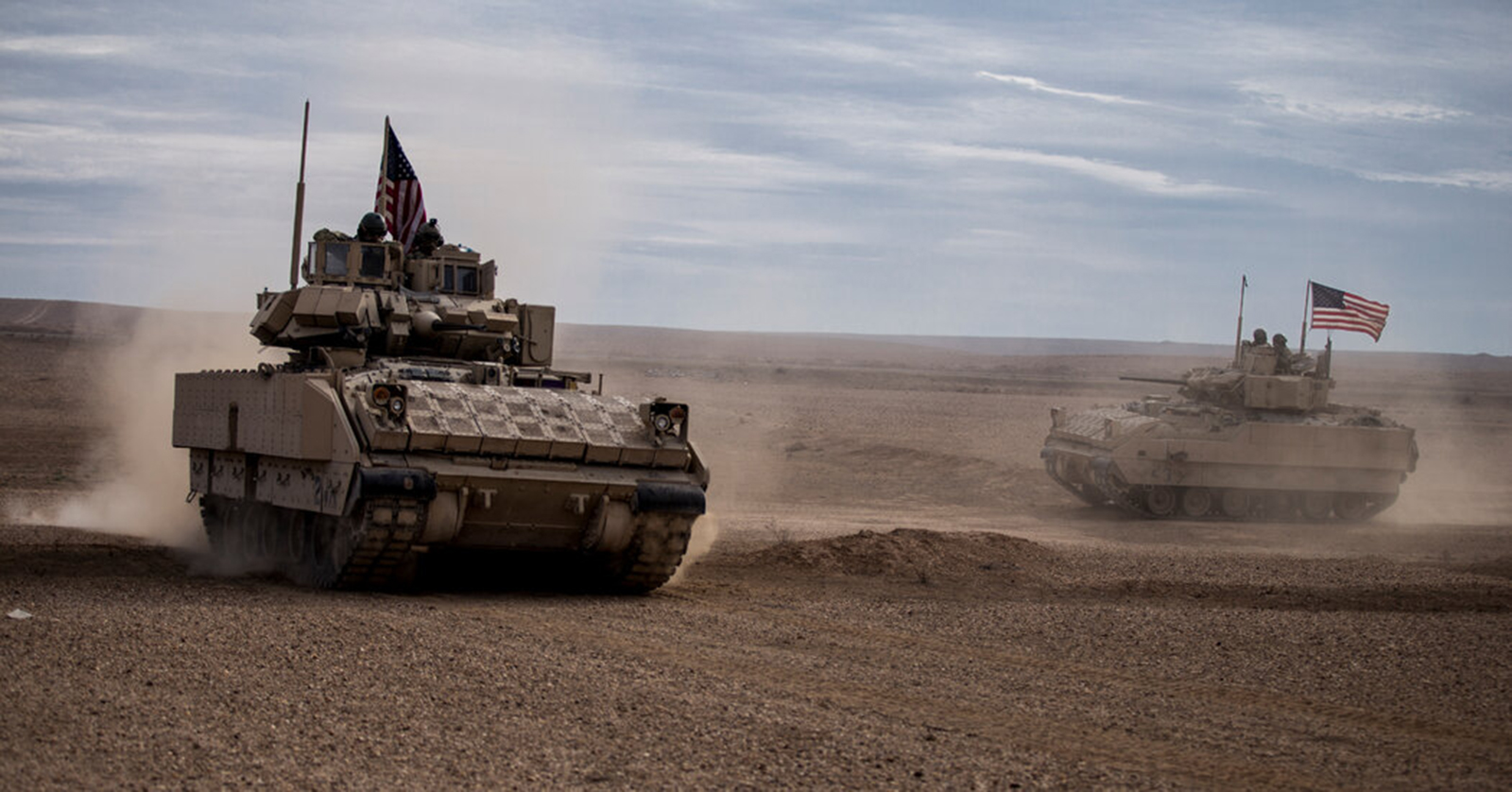
On a quiet Saturday near the ancient city of Palmyra, a joint patrol of Syrian security forces and United States soldiers came under sudden attack. The incident, reported by Syria’s official news agency SANA and cited by Al Jazeera, left two Syrian personnel and several US service members wounded. The assailant was killed on the spot, but as of now, the motive behind the attack remains shrouded in mystery.
Immediate Response and Evacuation
The aftermath was swift and tense. Military aircraft soared overhead, temporarily halting traffic on the vital Deir Ezzor–Damascus highway. US helicopters quickly evacuated the wounded to the al-Tanf base near the Iraqi border—a stark reminder of the ongoing risks in a region still recovering from years of violence. The Pentagon has not yet commented, leaving many questions unanswered about the attack’s significance and its potential repercussions.
Why Are US Troops Still in Syria?
US forces remain in northeastern Syria as part of a decade-long mission to assist Kurdish-led groups in combating the remnants of ISIL (ISIS). Although ISIL was driven out of Palmyra in 2016 after a brutal occupation that saw the destruction of ancient monuments and horrific executions, the group continues to launch sporadic attacks. Their ability to strike, even without controlling territory, is a testament to the persistent instability in the region.
Syria’s Fragile Recovery: One Year After Assad
This attack comes at a delicate moment for Syria. The country is just one year removed from the ouster of its longtime leader Bashar al-Assad, an event that marked the end of a 14-year civil war but did not instantly resolve the nation’s deep-seated problems. Security remains a major concern, as illustrated by the events near Palmyra. Economic recovery is slow, and the scars of war—both physical and psychological—are everywhere.
The security challenges are not new. Even after Assad’s departure, power vacuums and fragmented loyalties have made governance a daunting task. Local militias, international actors, and extremist groups all vie for influence. The recent attack on a joint patrol is a microcosm of the larger struggle: rebuilding trust and stability in a landscape shaped by years of conflict and outside intervention.
Palmyra: Symbol of Syria’s Past and Present
Palmyra, once a thriving center of ancient civilization, has become an emblem of Syria’s turbulent modern history. When ISIL captured the city in 2015, they not only inflicted suffering on its people but also targeted its rich cultural heritage. The ruins of temples and amphitheaters bore witness to both the brutality of war and the resilience of those who survived. The recent violence near Palmyra is a reminder that, for many Syrians, the past is never far from the present.
What Lies Ahead for Syrian-US Cooperation?
Joint operations between Syrian and US forces are fraught with complexities. While both sides share a common enemy in extremist groups, their broader strategic goals are often misaligned. The attack near Palmyra is likely to prompt a review of security protocols and may even impact the willingness of both nations to engage in future joint missions. For the local population, such incidents bring anxiety and a sense of uncertainty about the future.
As Syria tries to rebuild, every incident of violence reverberates through communities already weary from conflict. The interplay of local and international actors continues to shape the country’s trajectory, for better or worse. For now, the motives behind Saturday’s attack remain unknown, but its consequences—wounded personnel, disrupted lives, and renewed questions about Syria’s stability—are painfully clear.
In the shadow of ancient ruins and ongoing political transformation, Syria’s future hinges on its ability to address security threats while healing the wounds of war. The attack near Palmyra is a stark reminder that peace remains fragile, and the journey toward lasting stability is far from over.