
Quick Read
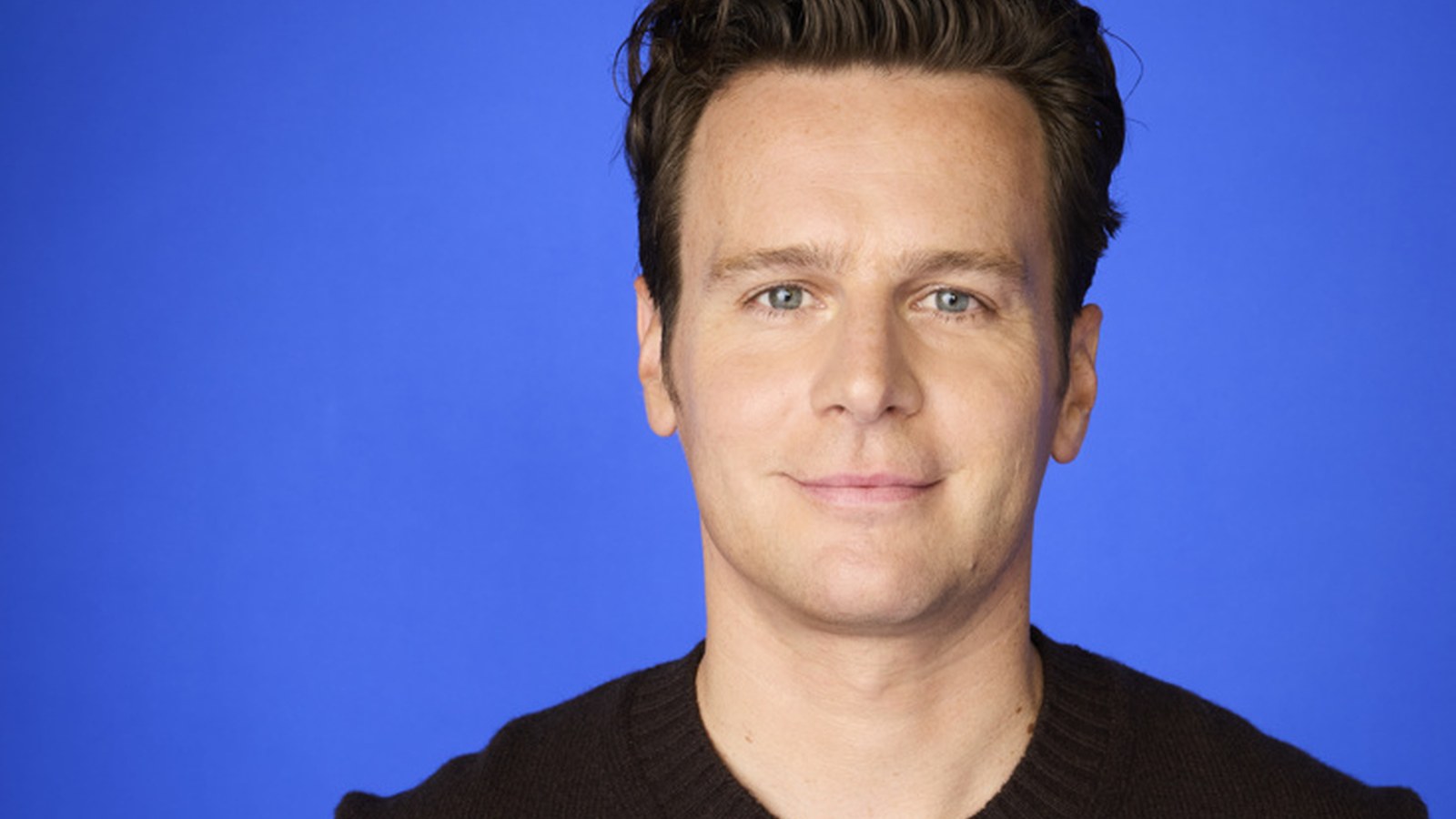
- Jonathan Groff starred in the Tony-winning revival of ‘Merrily We Roll Along’, earning Best Actor in a Musical in 2024.
- The Broadway production was adapted into a film by director Maria Friedman, now playing in theaters.
- Filming involved both live performance footage and intimate daytime close-ups to create a cinematic experience.
- Groff’s participation follows his earlier role in the filmed version of ‘Hamilton’.
- The project preserves a once-dismissed Sondheim musical for future audiences worldwide.
Jonathan Groff and the Revival of a Broadway Legend
Few actors have managed to bridge the gap between stage and screen as seamlessly as Jonathan Groff. In 2024, Groff took center stage in Maria Friedman’s dazzling revival of Stephen Sondheim’s Merrily We Roll Along, a show once dismissed as a legendary Broadway flop. This time, the production not only earned critical acclaim but also swept the Tony Awards, with Groff himself taking home Best Actor in a Musical (TheWrap).
The show’s journey from forgotten misstep to celebrated masterpiece was anything but ordinary. Friedman’s vision, combined with the chemistry of her leads—Groff, Daniel Radcliffe, and Lindsay Mendez—breathed new life into Sondheim’s music and story. The revival became a phenomenon, drawing sold-out crowds and sparking conversations about second chances and artistic redemption.
From Stage to Cinema: Capturing Lightning in a Bottle
Despite the runaway success of the Broadway run, it wasn’t until the final month that Friedman decided to immortalize the production on film. The decision was both practical and emotional: recasting was off the table, and the creative team wanted to “bottle” the unique energy of their ensemble. As Friedman put it, the process was unusually smooth—an anomaly in the often-turbulent world of film production.
For Groff and his co-stars, the prospect was bittersweet. Theater thrives on its ephemeral nature, each performance shaped by the audience’s laughter, gasps, and silences. “It was this thing that changed every night, and now there will be one version, and that is both a blessing and a curse,” Radcliffe observed. Groff, reflecting on his earlier experience with the filmed Hamilton production, understood the magnitude of having their work preserved for generations to come. “To get to be a part of one of those lucky few groups of actors that have their work captured is a dream come true,” he said.
The Challenges and Triumphs of Filming Broadway
Transforming a live performance into a cinematic experience required more than simply setting up cameras. Friedman was determined to avoid the static “pro-shot” approach. She wanted to plunge viewers into the psychology and subtext of the story, capturing not just the action but the subtle, reactive moments that make live theater electric.
The technical hurdles were considerable. Overhead lighting and open-mic audio meant that every frame and sound required painstaking attention. Even the audience’s presence—integral to the actors’ timing—had to be balanced in the final edit. “The audience had to be in it,” Friedman explained, but their reactions needed to be sculpted so as not to overwhelm the cinematic storytelling.
The filming itself unfolded in two parts: wide shots during live performances at night, and close-ups filmed in the quieter daylight hours. This gave actors like Groff a rare opportunity to refine and experiment with their performances, exploring nuance and intimacy often lost in the theater’s vastness.
Legacy, Friendship, and the Power of Preservation
For Groff, the experience of Merrily We Roll Along went beyond professional accolades. The show’s themes—friendship, time, and change—mirrored the real bonds forged among the cast. “I feel like I learned so much about friendship doing the show,” Groff shared. The time spent together, the intensity of the process, and the knowledge that their work would be preserved for future audiences deepened those connections.
Now, with the film’s release in theaters, that camaraderie and artistry are accessible to anyone—whether they missed the Broadway run or simply want to relive the magic. For director Friedman, the project stands as both a labor of love and a testament to Sondheim’s enduring genius. “Steve wrote a masterpiece,” she declared, satisfied that Merrily We Roll Along will no longer be remembered as a footnote but as a cinematic and theatrical triumph.
As the curtain falls on this chapter, Jonathan Groff’s journey with Merrily We Roll Along is a reminder that great art, given the right moment and the right stewards, can always find new life.
Groff’s story with Merrily We Roll Along is emblematic of the magic that happens when talent, timing, and vision align. His performance, captured for the world to see, not only redefines a misunderstood classic but also underscores the importance of preserving live art for future generations. The film stands as a bridge—uniting past, present, and future audiences in the shared experience of theater’s transformative power.