
Quick Read
- Jonathan Rinderknecht allegedly started the Pacific Palisades fire.
- The fire consumed 23,400 acres and caused 12 fatalities.
- Investigators found digital and GPS evidence linking Rinderknecht to the scene.
- The incident raises debates about fire prevention and response protocols.
- Rinderknecht faces federal charges with a minimum sentence of five years.
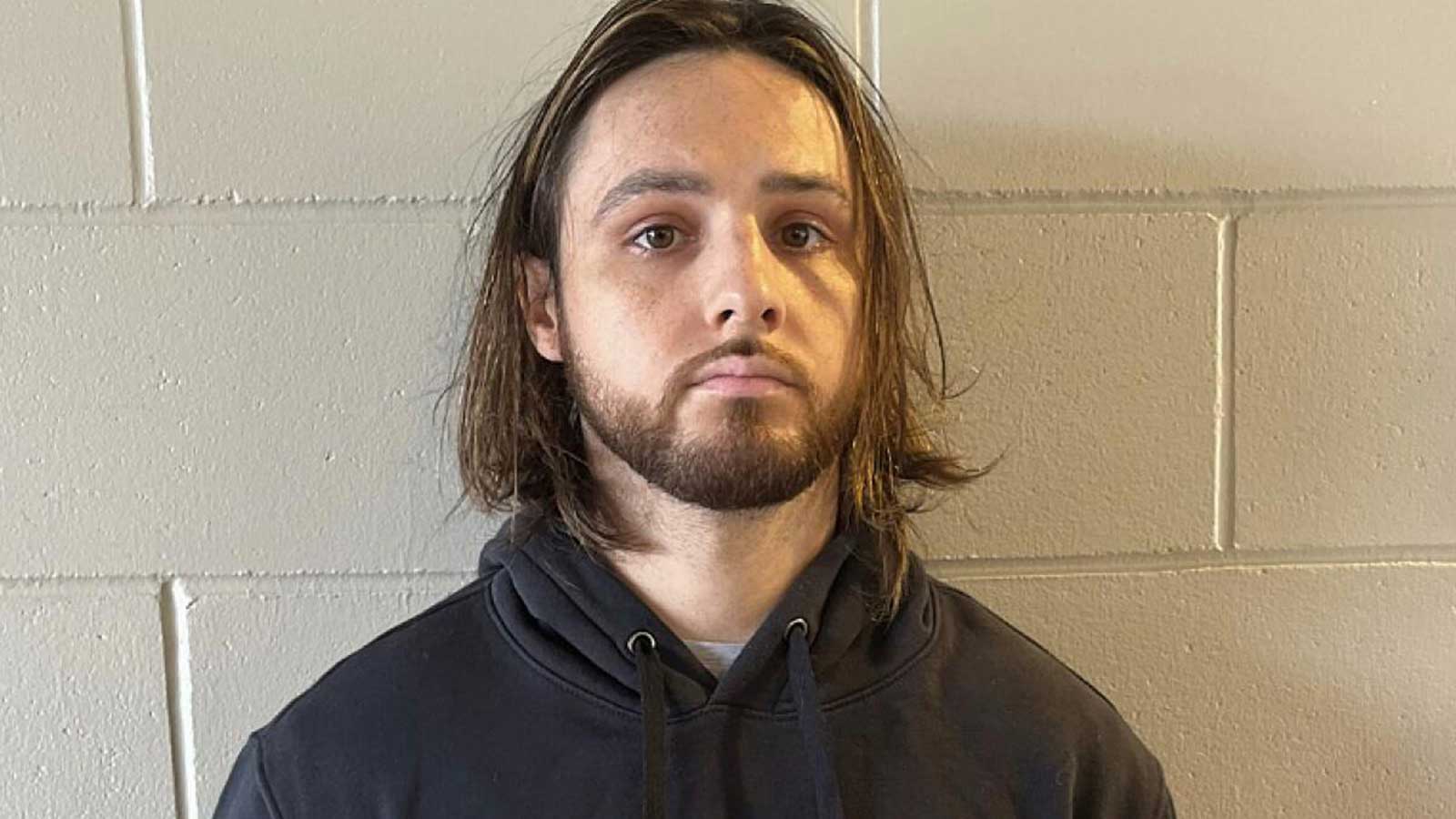
The Pacific Palisades fire has been etched into Los Angeles history as one of its most devastating infernos, leaving behind charred landscapes, ruined homes, and irreparable loss. The fire, which consumed 23,400 acres and destroyed over 6,800 structures, claimed twelve lives and displaced countless families. Investigations have revealed that the fire’s origin was no accident but a deliberate act of arson allegedly committed by Jonathan Rinderknecht, a 29-year-old Uber driver from Florida. This revelation sheds light on the tragic events and raises critical questions about accountability and preventive measures.
Background of the Fire
The Pacific Palisades fire began as the Lachman fire on New Year’s Day, igniting near the popular Skull Rock trail in Southern California. Witnesses initially reported the blaze at 12:17 a.m., and the fire quickly escalated due to strong winds and dense vegetation. Rinderknecht, who was allegedly present at the scene, reportedly set the fire using an open flame, such as a lighter, before calling 911 multiple times. Authorities were unable to respond promptly due to the challenging conditions, which allowed the fire to spread uncontrollably.
According to investigators, Rinderknecht had a personal connection to the area, having previously lived in the neighborhood and frequently visited the Hidden Buddha clearing—a location near the trail. GPS data from his phone confirmed his presence at the clearing during the critical moments when the fire ignited. This evidence, combined with witness testimonies and digital records, paints a grim picture of intentional arson.
Investigative Findings
Federal prosecutors have uncovered significant evidence linking Rinderknecht to the fire. Among the findings were digital images created using AI tools, such as ChatGPT, depicting burning cities. Investigators also found that Rinderknecht had been listening to music expressing themes of despair and bitterness in the days leading up to the fire. The song, titled “Un Zder, Un The,” features visuals of fire and destruction, which Rinderknecht reportedly viewed repeatedly.
Further investigation revealed discrepancies in Rinderknecht’s statements. He claimed to have noticed the fire only after leaving the clearing, but GPS data contradicted his account, placing him at the scene when the fire was set. His behavior following the incident also raised suspicion, as he fled the area, later offering to assist firefighters in controlling the blaze.
Impact on the Community
The consequences of the Pacific Palisades fire were devastating. Thousands of residents lost their homes, and the community mourned the tragic loss of twelve lives. The fire’s intensity overwhelmed local firefighting efforts, despite aerial support and ground crews working tirelessly to contain the flames. Although firefighters initially believed they had fully extinguished the blaze, hurricane-force winds reignited buried embers, allowing the fire to spread further.
The incident has sparked debates about the adequacy of firefighting protocols and the need for advanced technologies to detect hidden hot spots. Critics have questioned whether thermal imaging or other preventive measures could have mitigated the disaster, while authorities maintain that the primary responsibility lies with the individual who started the fire.
Legal Proceedings and Accountability
Jonathan Rinderknecht has been charged with destruction of property by means of fire, carrying a minimum sentence of five years in federal prison. His arrest marks a critical step toward seeking justice for the victims and holding accountable those responsible for such tragedies. Federal prosecutors and investigative agencies have emphasized the importance of their findings, which reflect a meticulous nine-month probe into the incident.
The case has also highlighted broader issues regarding the role of arson in wildfires and the need for increased vigilance in high-risk areas. As communities rebuild and recover, the focus remains on ensuring that similar incidents are prevented in the future.
The Pacific Palisades fire serves as a stark reminder of the catastrophic impact of deliberate actions on communities and the environment. Jonathan Rinderknecht’s alleged role in this tragedy underscores the importance of accountability and the ongoing efforts to improve fire prevention and response strategies.