
Quick Read
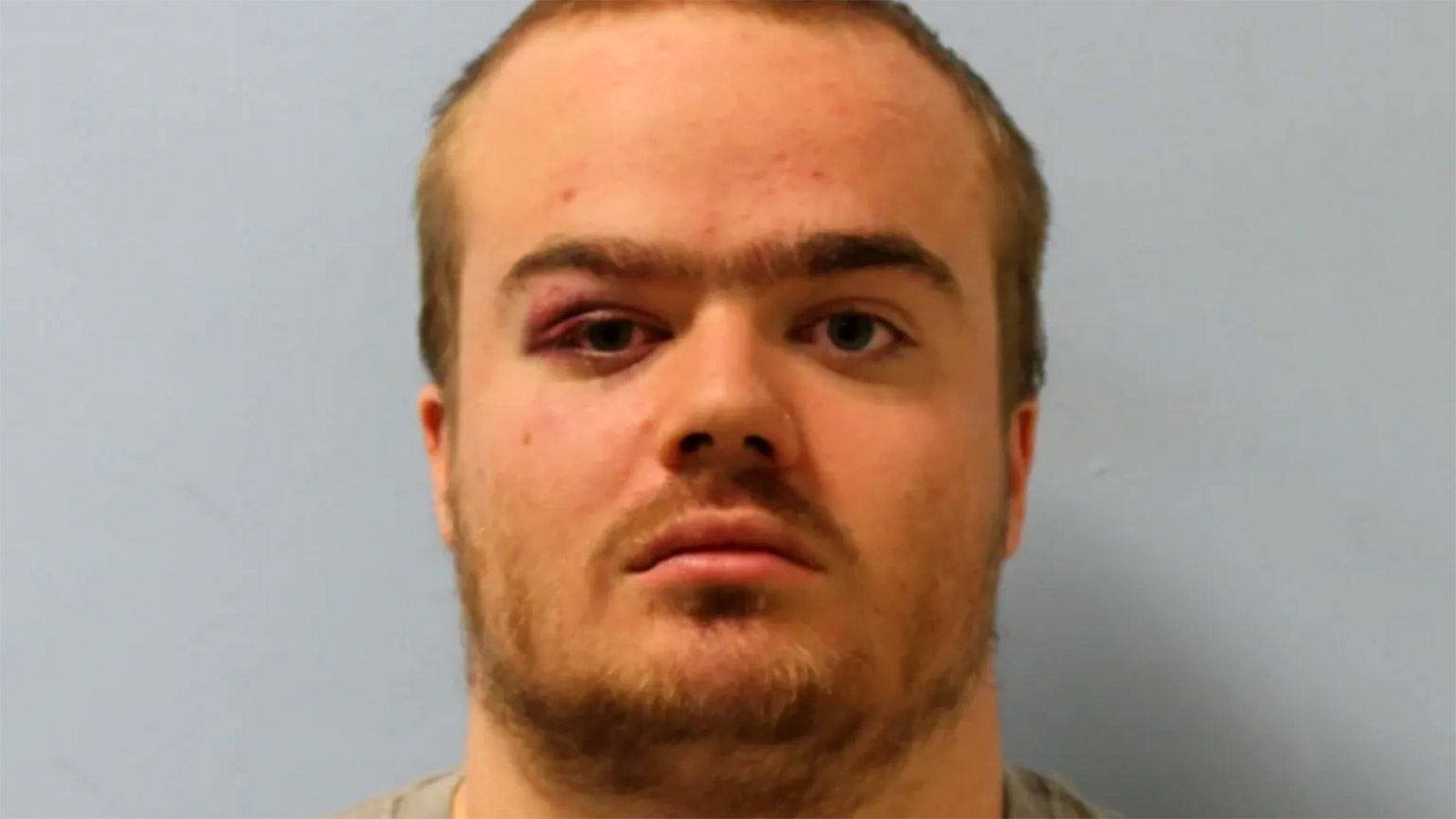
- Jonty Bravery, 24, received a 16-week jail sentence for assaulting two nurses at Broadmoor Hospital in September 2024.
- Bravery kicked one nurse in the thigh and clawed another’s face, leaving her bleeding, while they prevented his self-harm attempt.
- He is already serving a life sentence with a 15-year minimum for throwing a six-year-old boy off the Tate Modern in 2019.
- The 16-week sentence runs concurrently with his existing term, and Bravery has a history of assaulting Broadmoor staff.
Jonty Bravery, the individual whose name became tragically synonymous with the harrowing 2019 Tate Modern incident, has once again faced the courts, receiving a 16-week jail sentence for assaulting two nurses at Broadmoor Hospital. This latest conviction adds another layer to a deeply complex and unsettling narrative, underscoring the relentless challenges faced by those tasked with caring for high-risk individuals within secure psychiatric facilities.
Bravery, 24, who is autistic, is currently serving a life sentence with a minimum term of 15 years for throwing a six-year-old French boy from the 10th-storey balcony of London’s Tate Modern art gallery. The boy miraculously survived the 100-foot fall but sustained life-changing injuries, including a bleed on the brain and multiple broken bones. His journey of recovery has been a testament to human resilience, a poignant counterpoint to Bravery’s ongoing legal battles.
Life Within Broadmoor’s Secure Walls
Broadmoor Hospital, a high-security psychiatric facility in Crowthorne, Berkshire, has been Bravery’s residence since his initial sentencing. It is a place designed to manage individuals requiring intensive psychiatric care and strict supervision. The environment itself speaks volumes about the level of risk involved, with Bravery requiring constant supervision by three members of staff at all times. This directive alone offers a glimpse into the daily complexities and inherent dangers faced by the dedicated professionals working within such institutions.
In September 2024, the inherent risks of this environment tragically materialized. Nurses Linda McKinlay and Kate Mastalerz were attempting to prevent Bravery from climbing a ledge, an act that appeared to be an attempt to throw himself from it. It was during this critical intervention, designed to ensure his safety, that Bravery lashed out violently. He kicked Kate Mastalerz in the thigh and ‘clawed across’ Linda McKinlay’s face, leaving her with blood dripping down her cheek, as heard in court proceedings.
The incident was not merely a physical assault; it was a profound violation of the trust and safety that healthcare workers strive to maintain. McKinlay, a grandmother with a long career at Broadmoor, told the court it was the first time she had been attacked there. Her statement powerfully illustrates the exceptional nature of Bravery’s aggression and the psychological toll it exacts on those providing care. Jessica Hart, from the Crown Prosecution Service, articulated this sentiment, stating, ‘This was a violent and distressing incident for the nurses who were simply doing their jobs. No one should ever face this kind of aggression while providing care.’
The Legal Reckoning and a Pattern of Aggression
The case was heard at Westminster Magistrates’ Court in January 2026, where Chief Magistrate Paul Goldspring found Bravery guilty of two counts of assault. Goldspring, in passing sentence, made a stark observation: those who care for Bravery were the targets of his assaults. This underlines a particularly troubling aspect of the case, highlighting the vulnerability of those in a position of care. Bravery, who had been found guilty in his absence last November, refused to appear at the sentencing hearing via video link.
The 16-week jail sentence will run concurrently with his existing 15-year minimum term, meaning it will not extend his time behind bars before he is eligible for parole. He was also fined a total of £350. However, Chief Magistrate Goldspring expressed significant skepticism about Bravery’s future, stating it is ‘very unlikely’ he will be deemed safe for release at the end of the 15-year term ‘unless something significant changes.’ This judicial assessment speaks volumes about the perceived long-term risk Bravery poses.
This was not the first time Bravery had assaulted staff at Broadmoor. In 2020, he was handed a 14-week jail sentence after admitting to attacking two other Broadmoor staff members. In that incident, he punched nursing assistant Sarah Edwards in the head and face before pulling her hair, and bit rehabilitation therapist assistant Maxwell King on his finger when King came to his colleague’s aid. This pattern of aggression against his carers paints a grim picture of the challenges involved in his management and rehabilitation.
The Boy’s Unyielding Spirit: A Glimmer of Hope
Amidst the grim details of Bravery’s continued actions, the story of the young French boy he harmed offers a powerful counter-narrative of hope and resilience. In October 2025, an update on a GoFundMe page, set up by the family for medical care and rehabilitation, shared heartening news. ‘Our little knight had long set himself the goal of being able to run, jump, and swim again,’ the family stated. While acknowledging he can’t do it like other children his age, they affirmed, ‘we can no longer describe what he does in any other way than by saying it’s running, jumping, and swimming.’
The family also reported that the boy’s memory skills, while still limited, are ‘functional and still improving,’ indicating he will acquire general knowledge at his own pace. This ongoing recovery, meticulously documented by his family, stands as a testament to the indomitable human spirit and the profound impact of dedicated care. It serves as a stark reminder that even in the face of unimaginable trauma, life finds a way to move forward, albeit along a different path.
The repeated assaults by Jonty Bravery on his caregivers at Broadmoor Hospital, following the horrific Tate Modern attack, illuminate a profound societal challenge: how do we manage individuals whose severe mental health conditions manifest in dangerous aggression, while simultaneously protecting those dedicated to their care? This case is a stark reminder of the immense pressures on mental health professionals in high-security environments and the often-unseen human cost of their work. Chief Magistrate Goldspring’s assessment of Bravery’s slim chances of early release underscores the long-term societal implications of such actions, even as the young victim’s remarkable progress offers a poignant, if bittersweet, testament to resilience and the enduring power of human spirit against overwhelming odds.