
Quick Read
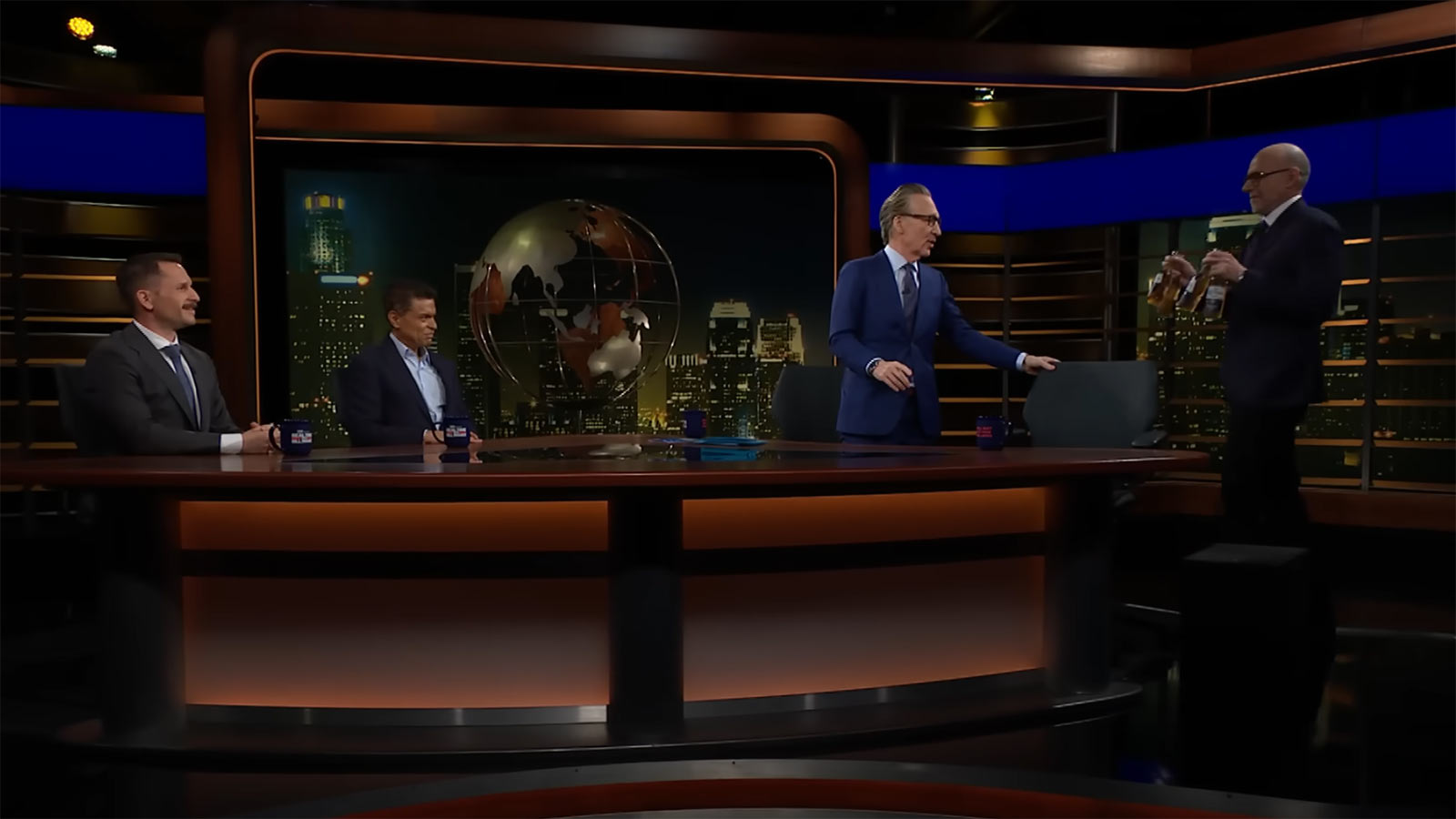
- Josh Barro appeared on HBO’s Real Time with Bill Maher, joining Fareed Zakaria and Scott Galloway.
- The panel discussed the ‘men’s crisis,’ economic inequality, and American healthcare policy.
- Barro emphasized the dangers of income-based health insecurity in the US.
- Scott Galloway highlighted challenges facing men and called for renewed focus on relationships and resilience.
- The episode touched on political divides and the question of affordability in American life.
Josh Barro Joins Real Time Panel: Tackling America’s Divides
On a brisk November night in 2025, the set of HBO’s Real Time with Bill Maher became a microcosm of America’s most pressing anxieties. The episode, which featured panelists Josh Barro and Fareed Zakaria alongside author and professor Scott Galloway, quickly moved from the week’s politics to deeper questions about masculinity, social fabric, and the widening economic divide in the United States.
The Men’s Crisis: Empathy, Isolation, and ‘Tough Love’
Scott Galloway, center-stage for a one-on-one interview, drew attention to the mounting evidence that men are struggling. “If you look at suicide, addiction, and homelessness, men are doing badly relative to women,” Galloway stated, before offering his perspective on what’s fueling this crisis. He placed partial blame on the technology sector, arguing, “The tech world has unwittingly built an economy dependent on a new species of asocial, asexual males.”
Galloway’s solution? A return to social codes and resilience. He challenged young men to develop their ability to endure rejection, noting, “The only way you ever get to amazing ‘Yes’es is with a lot of ‘No’s.” Relationships—romantic or otherwise—he argued, are what give life meaning. He also acknowledged the delicate challenge of expressing romantic interest in a way that makes the other person feel safe, a nuance that resonates in the current cultural climate.
Host Bill Maher, ever the provocateur, pushed back on some points, especially the notion that men need relationships more than women. The debate revealed how even well-intentioned advice can spark complex questions about gender roles and social expectations.
Josh Barro and Fareed Zakaria: The Economic Fault Lines
The conversation took a sharp turn as Josh Barro and Fareed Zakaria joined the panel. Zakaria pointed out a stark statistic: “Men in the top one percent of the income distribution have 15 years’ extra life expectancy than men in the bottom one percent. There is no other civilized country in the world where you have this kind of gap.” The statement landed like a thunderclap, framing America’s economic anxiety as a health crisis as much as a financial one.
Barro, known for his incisive analysis, brought the conversation down to earth when the topic shifted to healthcare. Discussing the Trump administration’s rumored plan to give Americans a fixed sum to buy their own coverage, Maher asked, “This can’t work, right?” Barro’s retort was blunt: “Not if you get cancer.” It was a reminder that in the U.S., economic insecurity often translates directly into health insecurity.
As the panel navigated topics from income disparity to the practical realities of social safety nets, Barro’s comments underscored the fragility facing millions of Americans. For many, the American dream feels increasingly out of reach—not just because of stagnant wages, but because the safety nets meant to catch them seem threadbare.
The Politics of Affordability and Social Division
The discussion didn’t stop at economics. The panel touched on the evolving shape of the Democratic Party, with Maher referencing recent election wins by politicians across the ideological spectrum. He contrasted left-leaning candidates like Zohran Mamdani with centrist successes like Virginia’s governor-elect Abigail Spanberger, suggesting that both wings gained traction by focusing on affordability—a theme that cuts across class, gender, and race.
It’s a reminder that, in the 2020s, the question isn’t just who governs, but who can deliver on the promise of a life that feels stable, attainable, and meaningful. The episode’s sharpest insight may have come when Maher, in a sardonic aside, compared American socialism to North Korea and Venezuela, only to circle back and acknowledge the presence of social programs in the U.S. already. The contradiction speaks to the larger uncertainty in American political identity: where do the lines between capitalism, socialism, and basic decency really lie?
Moments of Levity and Reflection
Despite the gravity of the topics, the episode found time for lighter moments. Maher riffed on everything from New York City’s endless scaffolding—“It’s like a haunted house”—to an anecdote involving Seth MacFarlane and a senator’s drinks getting swapped. These asides, though playful, offered a brief respite from the weight of the issues at hand.
But the heart of the episode remained clear: America is grappling with profound questions about what it means to live well, to relate to one another, and to create a society where opportunity is not just a slogan but a lived reality. The debate over men’s roles, economic divides, and the fabric of American life is far from settled—but at least, for an hour, it had a stage.
Josh Barro’s contributions on Real Time exemplify the value of direct, evidence-based debate in a polarized era. His willingness to cut through political rhetoric and focus on tangible consequences—especially regarding healthcare and economic inequality—offers a model for public discourse. As America faces growing anxieties over masculinity, class, and social cohesion, such clarity is not just refreshing; it’s essential for real progress.