
Quick Read
- Josh Inglis scored 32 runs for Australia in the third Ashes Test against England at Adelaide.
- He was bowled by England’s Josh Tongue at a pivotal moment, helping England regain control.
- Inglis’s innings steadied Australia after early wickets but his dismissal shifted the momentum.
- Jofra Archer led England’s bowling with 3-29, while Alex Carey made a century for Australia.
- The match remains evenly poised with Australia finishing day one at 326-8.
Josh Inglis Holds Steady as Australia Rebuilds in Adelaide Heat
On a day when temperatures soared and tension ran high at the Adelaide Oval, Josh Inglis found himself at the heart of Australia’s Ashes effort. Coming in after lunch with his team under pressure at 94-4, Inglis faced a formidable England attack led by Jofra Archer, who bowled with both control and menace. Partnering with Alex Carey, Inglis contributed a crucial 32 runs, helping Australia recover from early setbacks and keep the scoreboard ticking.
Inglis’s approach was measured and tactical. England, having capitalised on a series of poor Australian shots, were determined to press their advantage. Archer, the standout bowler of the day, kept the batters honest with sharp pace and late movement. Yet, Inglis was unflappable. He showcased his versatility with a reverse sweep off Will Jacks, sending the ball to the boundary and reminding England he was no easy scalp. As the session wore on, he left deliveries outside off, got in behind the ball, and picked his moments to attack, all while the mercury nudged 35 degrees—a true test of stamina and concentration.
Turning Point: The Wicket That Shifted Momentum
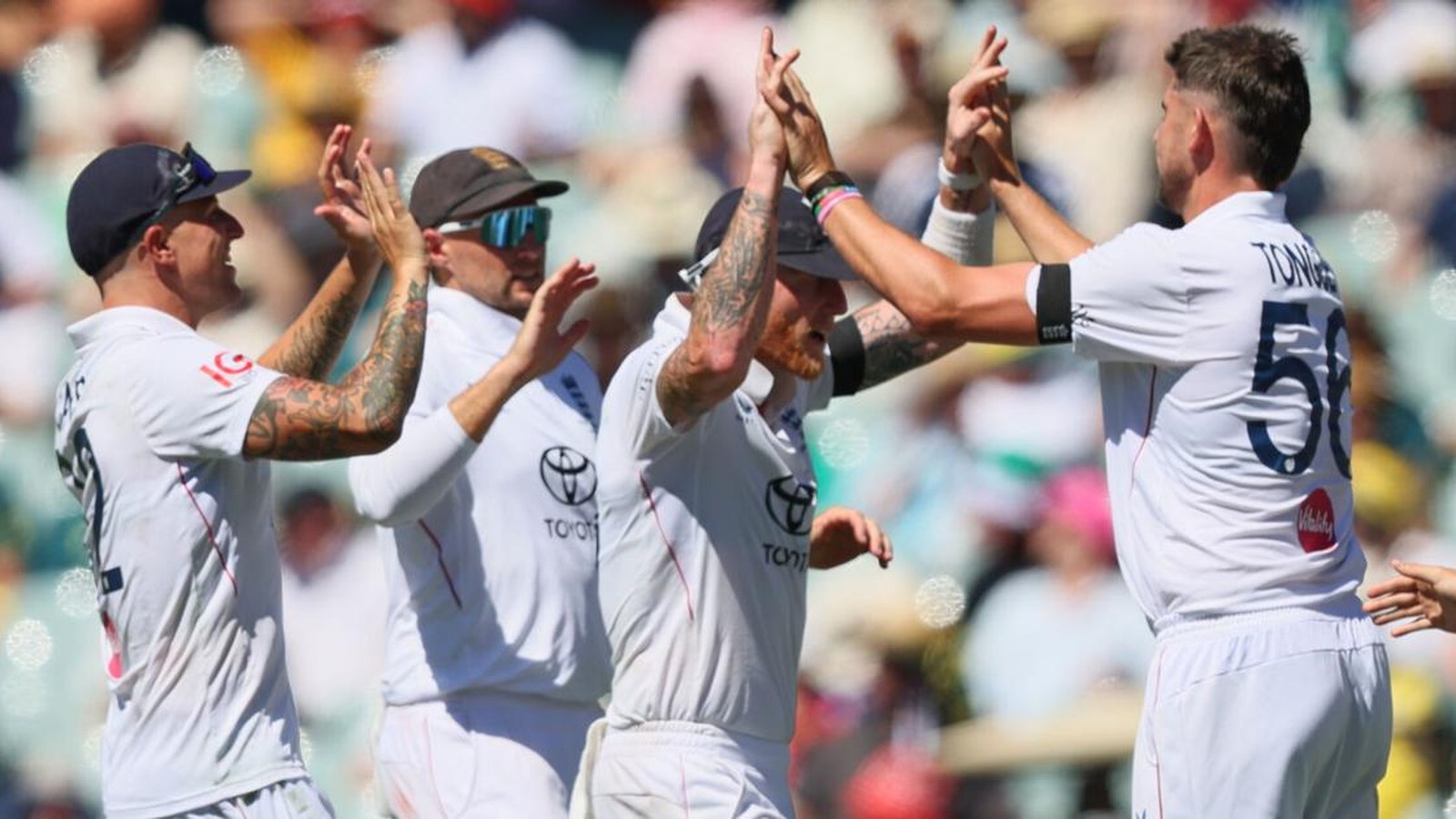
In cricket, timing is everything. For England, the breakthrough came when Josh Tongue, relatively new but quickly gaining reputation as a ‘tail mopper’, hurried Inglis into an under-edge that rattled the stumps. The dismissal, at 244-6, was more than just a wicket—it was a psychological blow that re-energized England’s bowlers and fielders in the oppressive Adelaide heat. Tongue’s celebration, as captured by James Elsby/AP, was filled with relief and intensity, marking a pivotal moment in the contest.
This wicket capped a period in which England clawed back control after Australia’s middle order, led by Khawaja and Carey, had begun to rebuild. The hosts had been gifted wickets through rash shots, but Inglis’s measured innings stood out for its discipline. His partnership with Carey was vital, and it helped set the stage for the drama that followed in the evening session.
The Broader Context: A Test Balanced on a Knife Edge
Australia’s innings was a story of momentum swings. After winning the toss and electing to bat, the home side would not have expected to finish day one at 326-8, having lost key wickets on a pitch described as a ‘shirt front’—ideal for batting. Yet, England’s attack, while not always consistent, found ways to make breakthroughs. Archer led with 3-29, showing why he is England’s most potent weapon. Jacks, though expensive, managed two wickets, and both Carse and Tongue kept pressing in the relentless heat.
Inglis’s role must be seen within this broader narrative. While Carey’s emotional century drew much of the spotlight—especially given the personal context of his father’s recent passing—Inglis’s contribution was the glue that helped the lower middle order resist collapse. His dismissal, coming just as Australia looked set to push past 250 with wickets in hand, allowed England to seize the initiative and keep hopes alive heading into day two.
Personal Grit Amid Adelaide’s Cauldron
Playing in the southern hemisphere summer is not for the faint-hearted. As one spectator commented, the heat drains even the fittest athletes, demanding not just physical endurance but mental fortitude. For Inglis, this was a test of both. He handled Archer’s best spells, navigated the bounce and spin from Jacks, and played with enough poise to frustrate England’s plans. His fall, bowled by Tongue, was a moment England had worked hard for, and one that summed up the day’s attritional cricket.
With Steve Smith out of the Test, Australia looked to new faces to step up. Inglis’s innings, though not a headline hundred, was precisely the kind of contribution that anchors a team in crisis. As the crowd—over 56,000 strong, a record for the Adelaide Oval—witnessed the ebb and flow, the significance of such innings was not lost.
What Lies Ahead: The Match Poised for Day Two
As stumps were drawn, the sense of anticipation was palpable. Both sides had moments of brilliance and lapses, and the match remains delicately balanced. Australia’s total of 326-8 is competitive but not commanding, and England will fancy their chances with the ball moving under lights. For Inglis, this day will be remembered as one where he dug in, showed his class, and played a key role in keeping Australia afloat.
Looking ahead, the battle resumes with England keen to exploit any cracks in the Australian batting and the hosts hoping their tail can wag a little longer. The Ashes, with its storied rivalry, continues to deliver drama, and Josh Inglis’s innings is now part of its rich tapestry—an example of quiet resilience under fire.
Analysis: Josh Inglis’s 32 may not make headlines, but it was a masterclass in controlled resistance when Australia needed stability most. His wicket, claimed by Josh Tongue, shifted the day’s momentum, reminding us how one moment of indecision can redefine a Test. In the pressure cooker of Adelaide, every run mattered, and Inglis’s contribution was both timely and telling—a subtle yet significant chapter in this Ashes battle. (The Guardian, AP)