
Quick Read
- Federal judge temporarily blocks Trump’s attempt to fire Lisa Cook from the Federal Reserve.
- Cook’s removal was based on unsubstantiated allegations of mortgage fraud.
- The case highlights the importance of Federal Reserve independence.
- Cook remains the first Black woman to serve as a Fed governor.
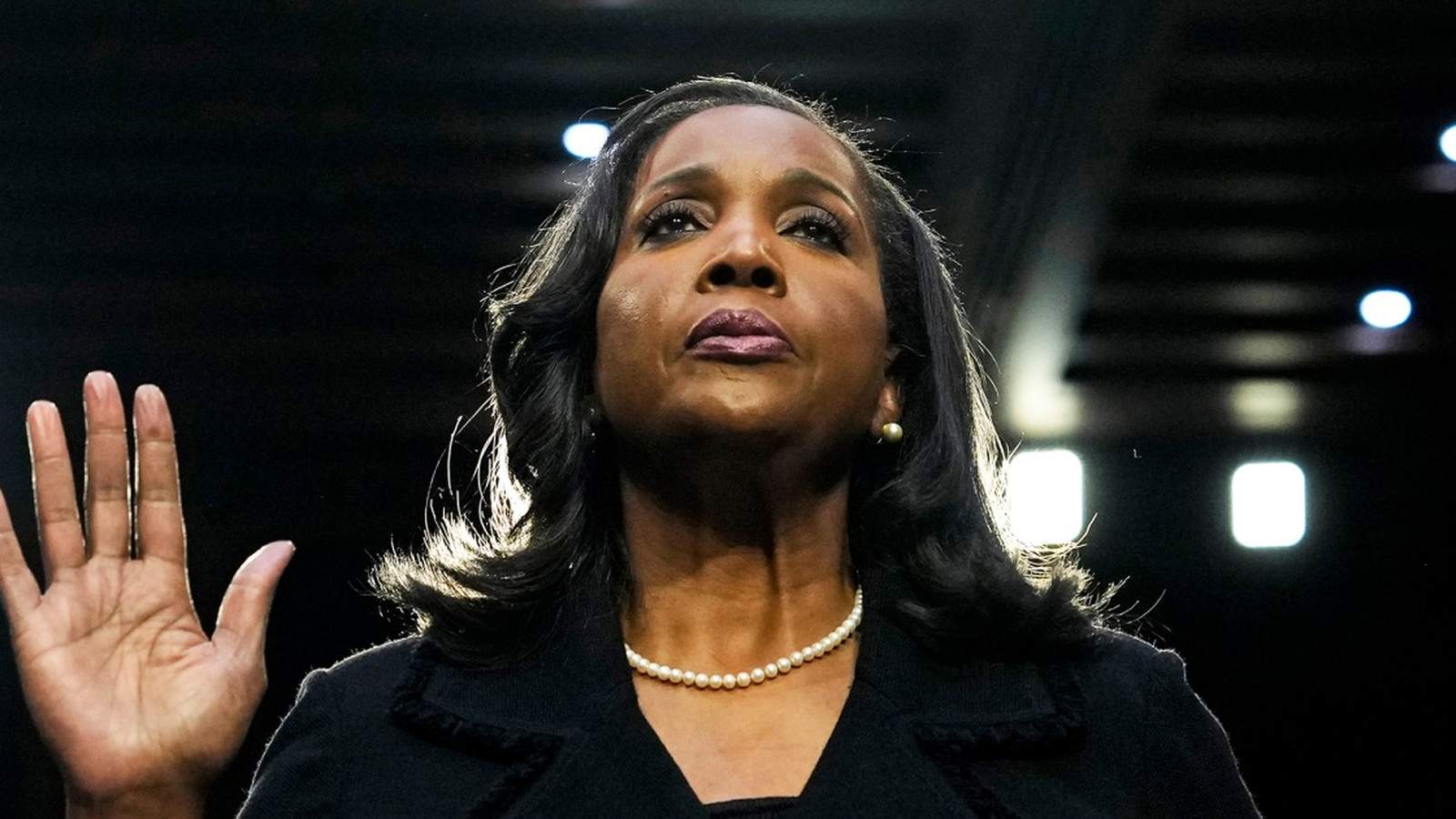
In a ruling that underscores the importance of Federal Reserve independence, a federal judge has temporarily blocked President $1 Trump’s attempt to remove Lisa Cook, a governor on the Federal Reserve Board. The decision ensures that Cook, the first Black woman to hold such a position in the institution’s 110-year history, will remain in her role while the case proceeds through the courts.
Federal Judge Upholds the Independence of the Federal Reserve
On Tuesday, U.S. District Judge Jia Cobb issued a temporary restraining order preventing the Trump administration from removing Cook. The judge’s ruling emphasized the critical role that the Federal Reserve plays in maintaining economic stability and the importance of safeguarding its independence from political interference. In her decision, Cobb noted, “The public interest in Federal Reserve independence weighs in favor of Cook’s reinstatement. That independence is critical in helping the nation’s banking system to promote stability.”
The restraining order allows Cook to continue her duties, including participating in the Federal Reserve’s upcoming two-day meeting on September 16. During this meeting, significant decisions on interest rate adjustments are anticipated, making Cook’s role pivotal. Cobb’s ruling further directs Federal Reserve Chair Jerome Powell and the Board of Governors to permit Cook to operate as a member of the board for the duration of the litigation.
Legal Battle Over Allegations and Authority
The controversy began in late August when Trump moved to fire Cook, citing allegations of mortgage fraud. The accusations, brought forward by one of Trump’s political appointees, have been strongly denied by Cook and her legal team. “Governor Cook did not ever commit mortgage fraud,” her lawyers stated in a recent filing. They argue that Trump’s actions lack the necessary “cause” required to remove a Federal Reserve governor. Under federal law, “cause” typically refers to proven misconduct or incapacity, neither of which has been substantiated in Cook’s case.
Trump’s Justice Department has already appealed the ruling, signaling that the legal battle is far from over. A White House spokesperson stated, “This ruling will not be the last say on the matter, and the Trump Administration will continue to work to restore accountability and confidence in the Fed.” However, critics argue that the move to dismiss Cook undermines the Federal Reserve’s apolitical mandate and could set a dangerous precedent for future administrations.
A Landmark Career Under Threat
Lisa Cook’s appointment to the Federal Reserve Board marked a historic moment. As the first Black woman to serve in this capacity, her tenure has been viewed as a significant step forward for diversity and representation in economic policymaking. Before joining the Fed, Cook was a professor of economics and international relations at Michigan State University, where she gained recognition for her work on economic development and innovation.
Cook’s legal team, led by prominent attorney Abbe Lowell, has framed the case as a critical test of the rule of law and the independence of U.S. financial institutions. “Today’s ruling recognizes and reaffirms the importance of safeguarding the independence of the Federal Reserve from illegal political interference,” Lowell said in a statement. He added, “Allowing the President to unlawfully remove Governor Cook on unsubstantiated and vague allegations would endanger the stability of our financial system and undermine the rule of law.”
Broader Implications for Federal Reserve Governance
The case has reignited debates over the extent of presidential authority in influencing independent agencies like the Federal Reserve. Critics of Trump’s actions warn that politicizing the central bank could have far-reaching consequences for economic policy and public trust. The Federal Reserve, which was established to operate independently of political pressures, plays a crucial role in managing inflation, unemployment, and financial stability.
Meanwhile, supporters of Trump’s decision argue that accountability is necessary, especially in positions overseeing critical financial institutions. A White House spokesperson defended the move, stating, “President Trump lawfully removed Lisa Cook for cause due to credible allegations of mortgage fraud.” However, with no formal charges filed against Cook, the justification for her removal remains contentious.
The Federal Reserve has refrained from commenting on the ongoing litigation but has indicated that it will comply with the court’s decisions. Observers note that the outcome of this case could set a precedent for how future administrations interact with independent regulatory bodies.
As the legal proceedings continue, the case of Lisa Cook serves as a reminder of the delicate balance between governmental oversight and institutional independence. The outcome could shape the future of Federal Reserve governance and its role in safeguarding the U.S. economy.