
Quick Read
- Jean Hanlon’s ex-boyfriend will stand trial for her murder in Crete after 16 years of campaigning by her family.
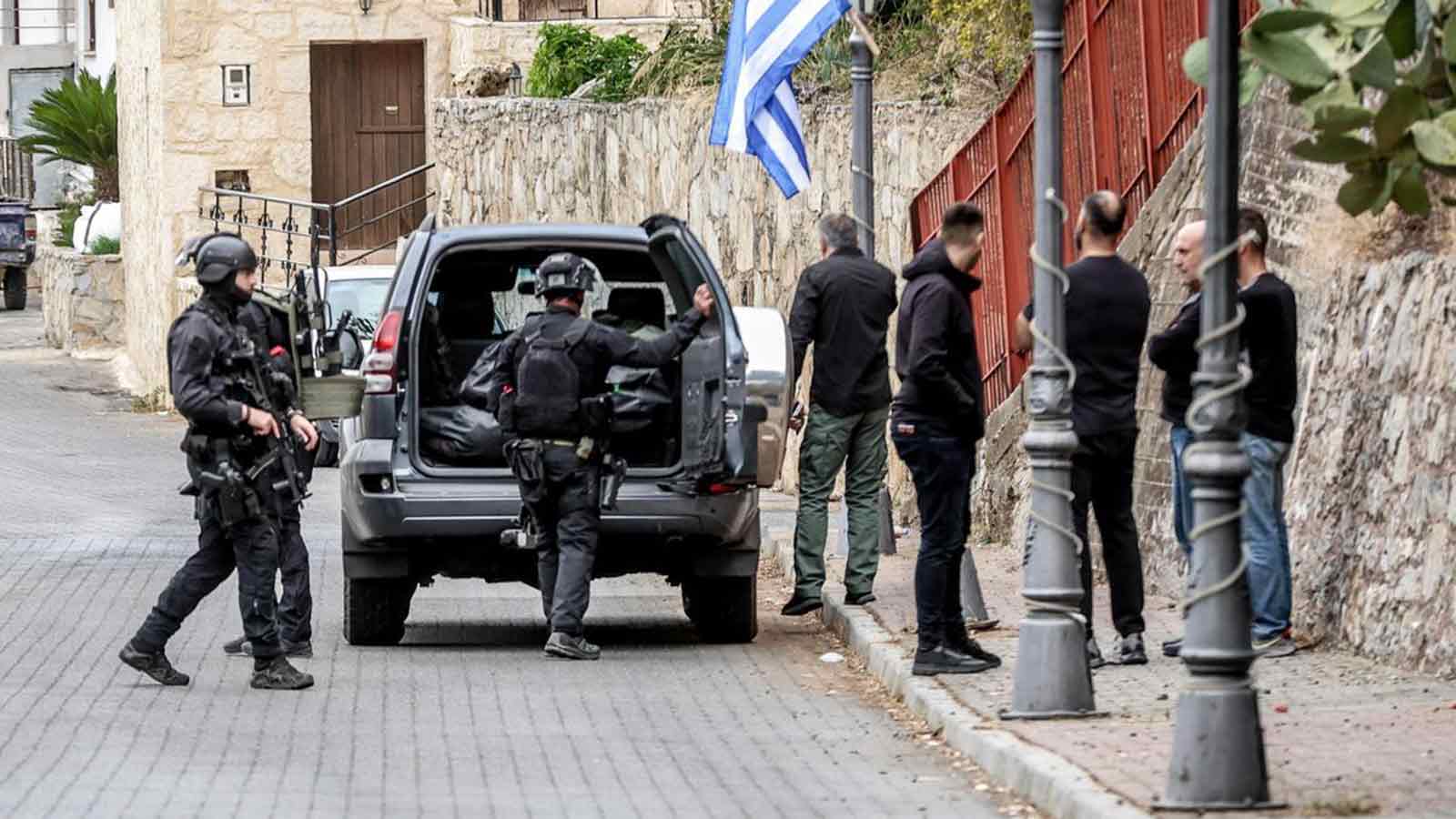
- A deadly family feud shooting in Vorizia, Crete, left two dead and at least six injured, with police special units deployed.
- Hanlon’s case was revived thanks to evidence from her personal diary uncovered by a private investigator.
- Greek authorities have re-opened both cases multiple times, reflecting ongoing challenges in justice and security.
Crete’s Long Road to Justice: Jean Hanlon’s Murder Case Reopened
For sixteen years, the family of Scottish mother Jean Hanlon has waged a relentless campaign for answers in Crete. The pain began on March 9, 2009, when Jean, who had moved to Kato Gouves to start anew, vanished after a night out in Heraklion. Friends received anxious phone calls and a chilling final text: “help.” Four days later, her lifeless body was discovered in the harbor. The official cause was ruled as drowning, but the truth was murkier.
A second post-mortem—demanded by her grieving sons—painted a far grimmer picture: broken neck, shattered ribs, a punctured lung, and facial injuries, all signs of a violent struggle. The family refused to accept the initial verdict, and their quest for justice became a marathon marked by setbacks and hope. They hired Athens-based investigator Haris Fluskounis, who uncovered critical evidence in Jean’s personal diary. His 29-page dossier convinced prosecutors to formally charge Jean’s ex-boyfriend, a 54-year-old Cretan man whose name remains withheld for legal reasons.
Despite an initial recommendation by a senior prosecutor to drop the case, the Heraklion Judicial Council overruled that decision. Now, the suspect will face a full trial before a Mixed Jury Court—a rare reversal in Greek legal tradition. The family’s lawyer, Apostolos Xiritakis, confirmed the council found “sufficient evidence for the suspect to face trial on charges of murdering Jean Hanlon.”
Jean’s three sons, led by Michael Hanlon, never gave up. “We’re still in shock. After 16 years of fighting, it doesn’t feel real. This is a victory, but the war isn’t over. We might finally get the closure we need to let Mum rest,” Michael told the Sunday Mail, as cited by Greek City Times.
Evidence suggests the suspect was possessive and stalked Jean in the weeks before her death. He maintains his innocence and was previously questioned but not charged. The case was reopened multiple times—after a national documentary in 2019 and again in 2021 by the Department of Organised Crime, which concluded a criminal act caused Jean’s death. The trial date is pending but expected within eight months, bringing long-awaited hope to Hanlon’s family.
Violence in Vorizia: A Family Feud Turns Deadly
While justice moves slowly for some, violence erupted suddenly in the village of Vorizia on November 1, 2025. The day began with fear—a makeshift explosive device was planted in the under-construction home of a cattle-herding family. Suspicion immediately fell on a rival family, with longstanding tensions simmering beneath the surface.
Tragedy struck at the village entrance, where members of the two families crossed paths. A firearm was drawn; a man and a woman were killed, and at least six others were wounded, though reports suggest the number of injured could be as high as ten. The 57-year-old woman, a member of the second family, had come to Vorizia for her father’s funeral—her life cut short by a feud that had spiraled out of control.
The Greek Police Headquarters, as reported by Mezha, confirmed the deaths and the injuries. Special police units, the head of the Greek police, and the Greek FBI descended on the village, underscoring the gravity of the situation and the threat of further violence. The owners of the bombed house remain convinced the explosion was retaliation by the rival family, and the morning’s shooting appears to be a grim escalation in a cycle of vengeance.
In the aftermath, authorities detained individuals likely involved in the shooting, and the community is left grappling with fear, anger, and uncertainty. The incident is not isolated; Crete has a history of interfamily disputes, often flaring into violence. Yet the scale and brutality of the Vorizia incident have shocked even seasoned observers.
Patterns of Violence and the Struggle for Accountability
Both stories—Jean Hanlon’s marathon quest for justice and the Vorizia family feud—paint a complex portrait of Crete, where the pursuit of truth and the reality of violence are often intertwined. In Hanlon’s case, it took years of persistence, private investigation, and a family’s refusal to be silenced for the legal system to act. In Vorizia, the wheels of justice must now contend with immediate loss and escalating danger.
Greek authorities are increasingly under pressure to address not just individual crimes but the social conditions that allow them to fester. The Hanlon case was reopened after a national documentary reignited public interest; the Vorizia shooting has drawn the highest levels of law enforcement. Yet, as these cases show, justice in Crete is not always swift—and closure comes at a high emotional cost.
Community Responses and the Road Ahead
For Jean Hanlon’s family, the upcoming trial represents the hope of finally laying their mother’s memory to rest. For the families in Vorizia, the wounds are fresh, and the cycle of retaliation threatens to continue unless the authorities can intervene effectively and rebuild trust. Both cases have drawn national attention, with media outlets like Greek City Times and Mezha tracking developments and amplifying calls for justice.
Amid the headlines, ordinary residents of Crete are left to wonder: how can a community move forward when old grievances erupt into violence and the legal system struggles to keep pace? Is justice possible, or will the island remain haunted by unresolved loss?
As Crete stands at the intersection of justice and violence, the coming months will be critical—not just for those directly affected, but for the broader society seeking reassurance that the rule of law can prevail.
Both the reopening of Jean Hanlon’s murder case and the tragic Vorizia shooting reveal the island’s deep-seated challenges in delivering justice and curbing violence. The persistence of Hanlon’s family and the urgency of the police response in Vorizia suggest that change is possible, but only through continued vigilance and community engagement.