
Quick Read
- DOJ agreed to a $1.25 million settlement with Michael Flynn on March 26, 2026.
- Flynn sued the government claiming malicious prosecution related to the Russia investigation.
- The settlement follows Flynn’s 2020 pardon by President Trump and prior case dismissals.
- Critics argue the payout undermines rule of law and suggests political favoritism.
- The case highlights tensions over politicization of federal prosecutions in the Trump era.
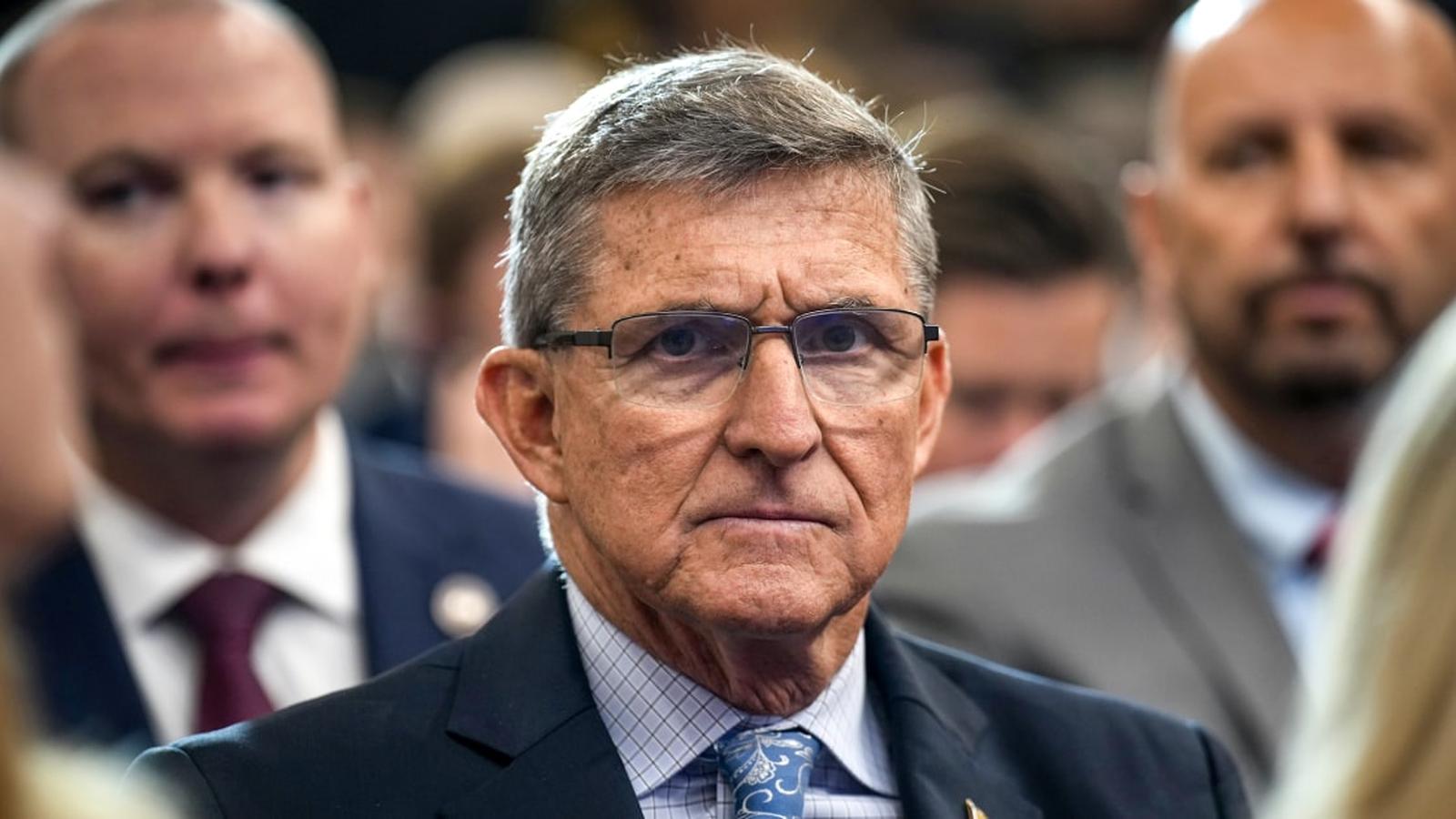
TAMPA (Azat TV) – The U.S. Department of Justice (DOJ) announced on March 26, 2026, a $1.25 million settlement with Michael Flynn, former national security adviser to President Donald Trump, resolving Flynn’s long-standing claims of malicious prosecution related to the investigation into Russian interference in the 2016 U.S. presidential election. This settlement marks a significant moment in the ongoing political and legal aftermath surrounding the Russia probe.
Michael Flynn’s Malicious Prosecution Lawsuit and Settlement Details
Michael Flynn, a retired Army lieutenant general, was briefly President Trump’s national security adviser during his first term. Flynn had twice pleaded guilty to lying to the FBI about his discussions with Russia’s ambassador to the United States during the presidential transition in 2017. However, he later sought to withdraw his guilty plea, alleging prosecutorial misconduct and violations of his rights. In 2020, the DOJ, under then-Attorney General Bill Barr, moved to dismiss the case, which was later closed after Trump pardoned Flynn.
In 2023, Flynn filed a $50 million lawsuit against the DOJ, accusing it of malicious prosecution and abuse of process during Special Counsel Robert Mueller’s investigation. Although a federal judge initially dismissed the case in 2024, Flynn revived it in 2025 after Trump’s return to office. The settlement announced this week ends that litigation, with Flynn receiving approximately $1.25 million from the federal government. The exact terms beyond the payment were not disclosed.
Justice Department’s Position and Political Reactions to the Settlement
A DOJ spokesperson characterized the settlement as a step toward correcting what it called a “historic injustice” stemming from the Russia investigation, which the department said involved abuses of power and misleading the public. The spokesperson emphasized the DOJ’s commitment to preventing future weaponization of federal investigative powers.
Flynn himself welcomed the settlement, describing it as a “small measure of accountability” that could aid national healing from past abuses. However, the settlement has drawn sharp criticism from some political figures. Senator Mark Warner, the top Democrat on the Senate Intelligence Committee, condemned the use of taxpayer funds to settle with Flynn, saying it undermines rule of law and suggests that accountability may depend on political connections rather than facts.
Implications of the Flynn Settlement in the Current Political Climate
This settlement arrives during the second term of President Donald Trump, whose administration has reversed or settled several legal actions against his former allies, including Flynn. Critics argue that these moves raise concerns about fairness and the independence of the justice system. Supporters view the settlement as addressing past overreach and vindicating Flynn’s claims.
The timing also coincides with Trump’s own legal battles, including his demand that the DOJ pay him $230 million for prosecutions he faced before his 2024 re-election. The settlement with Flynn may fuel further debate about the politicization of federal prosecutions and the use of government resources to resolve claims by politically connected individuals.
The settlement of Michael Flynn’s lawsuit for malicious prosecution is a rare instance where the federal government has agreed to compensate a former official for alleged investigative abuses. This development highlights ongoing tensions between legal accountability and political influence in the aftermath of one of the most divisive investigations in recent U.S. history.