


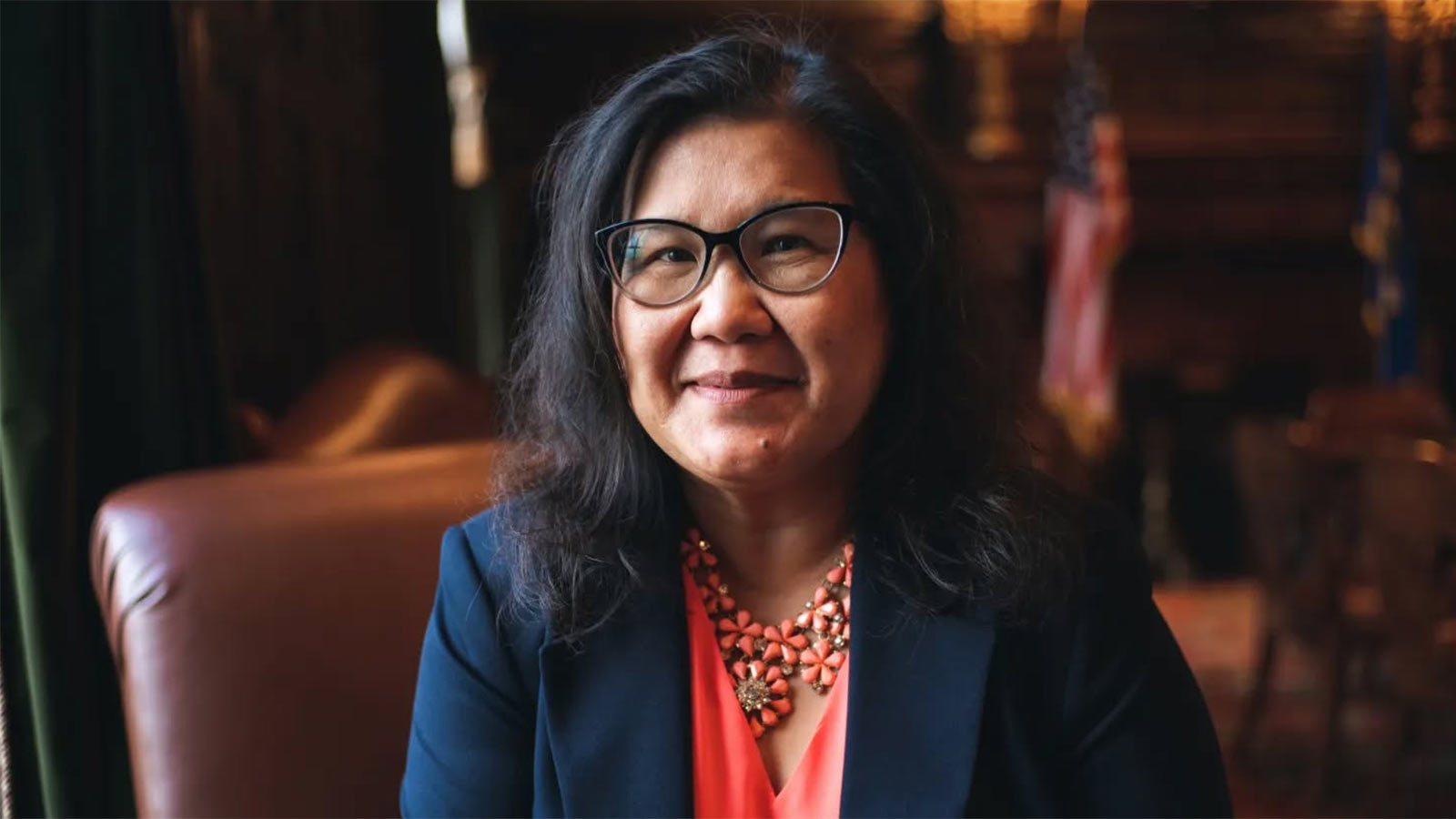
Historic Win: Kaohly Her Breaks Barriers in St. Paul
On November 5, 2025, the city of St. Paul, Minnesota, witnessed a watershed moment in its political history. State Representative Kaohly Her, born in Laos and raised in the U.S. as a child refugee, was elected as the city’s first Hmong and first woman mayor. Her triumph over incumbent Melvin Carter, her former boss and a two-term mayor, not only marks a personal milestone but signals a turning point for Minnesota’s capital.
Her’s victory, confirmed just after midnight, was the culmination of a fast-paced campaign launched only in August. The odds seemed stacked against her: Carter was widely regarded as a rising star in the Democratic-Farmer-Labor Party, and Her was a late entry into a crowded race that included three other challengers. Yet, Her’s message resonated. She and her team knocked on 40,000 doors, focusing on direct engagement and listening to community concerns.
As Her stepped onto the stage at Sweeney’s Saloon to raucous applause, she acknowledged the historic nature of the win: “I’m proud to stand before you as the first Asian and the first woman mayor-elect of St. Paul. Here is my commitment to you as your next mayor: I will always show up. We are a large city but a small community. Being involved matters.” (Star Tribune)
From Refugee Roots to City Hall: Her’s Journey
Kaohly Her’s path to the mayor’s office is emblematic of the immigrant experience in America. Her was born in Laos and fled to the U.S. with her family as a young child, part of the wave of Hmong refugees escaping war in Southeast Asia. They settled in Wisconsin before Her arrived in St. Paul after college in 1995. Her worked in banking and finance for 15 years, later transitioning to public service and community organizing.
She served as policy director for Mayor Carter before being elected to the Minnesota House in 2018, representing District 64A. Her leadership in the Legislature and her advocacy for immigrant and minority communities built her reputation as a pragmatic and compassionate public servant.
“My family came here as refugees. Never in their wildest dreams would I be standing here today accepting the position of mayor,” Her said in her victory speech, highlighting the generational significance of her ascent. (MinnPost)
Voters Demand Responsiveness and Change
The election was a referendum on the city’s direction. St. Paul has wrestled with rising property taxes, a struggling downtown, and a housing market squeezed by rent control policies. Many residents felt disengaged from city hall. Her’s campaign didn’t sharply diverge from Carter’s on policy but instead focused on management style—emphasizing responsiveness, transparency, and bringing voices from every corner of the city into decision-making.
“One of the biggest things I heard from people was that they didn’t feel heard, they didn’t feel they were being brought in as partners. We’ll listen and do this work together,” Her told supporters. (Minnesota Reformer)
Her’s promise to “do the nuts and bolts of our city well” struck a chord. She campaigned on revitalizing downtown and the Midway neighborhoods, supporting local businesses, and ensuring that city government was accessible and responsive. Voters like Nate Van Sickle saw Her as a needed change: “I think Melvin’s done a lot of great things, but yes, I think it’s time for a change.” (MPR News)
Election Dynamics and Community Impact
The race was close. Carter initially led in first-choice votes, but St. Paul’s ranked-choice system meant that votes from eliminated candidates were redistributed. Her ultimately secured 47.8% of the vote to Carter’s 45%. The results reflected a city in flux, grappling with both demographic shifts and economic challenges.
Her’s victory coincides with the 50th anniversary of Hmong resettlement in the U.S. About a third of Minnesota’s 99,000 Hmong residents live in St. Paul, making the city a center of Hmong-American life. Mee Moua, the first Hmong Minnesotan elected to the Legislature, called Her’s win “an exclamation mark” on the anniversary, emphasizing its symbolic weight for the community.
For many Hmong residents, Her’s election is deeply personal. Elders like Shoua Ger Yang, a former commander in Laos’s Secret War, expressed pride and hope: “She will be a good role model for all youth across the board.” Salina Vang noted that Her’s campaign inspired her daughter to learn the Hmong language, demonstrating the ripple effects of representation.
What Comes Next: Challenges and Opportunities
Her will serve a three-year term, as St. Paul transitions its elections to even years to boost participation. She takes office with an all-woman city council—a rare occurrence in a major American city. The new leadership faces a daunting agenda: balancing property taxes, spurring economic development, tackling housing affordability, and maintaining the city’s tradition of welcoming immigrants.
Both Her and Carter supported a school levy referendum that passed alongside the mayoral race, increasing funding for St. Paul Public Schools and addressing budget gaps that threatened arts, music, and extracurricular programs. Voters also approved a charter amendment allowing administrative citations for city ordinance violations, giving the city new tools for governance.
Her’s campaign raised $154,000 in less than four months, matching Carter’s financial resources, and signaled strong grassroots support. Her enters office at a time when city hall is undergoing significant turnover, with most council members having served less than two years.
Her has pledged to focus on “nuts and bolts”—the everyday services that make city life work. She wants to lay a foundation for future leaders and ensure that all residents, especially those historically left out, are part of the city’s decision-making process.
As Carter conceded, he emphasized that “this has never been about me and this has never been about my team. This has to be about the city.” The former mayor promised to help set Her up for success, underscoring a spirit of continuity and collaboration.
Conclusion: A City Reimagined
Kaohly Her’s ascent to the mayoralty of St. Paul is more than a personal achievement—it’s a reflection of the city’s evolving identity and the power of community engagement. As St. Paul turns a new page, its residents have signaled a desire for government that listens, adapts, and includes. Her’s story—from refugee to mayor—embodies the city’s promise as a place where new Americans can thrive and lead.
Her’s victory, rooted in persistent outreach and a call for more inclusive governance, is a clear mandate for change. The next three years will test her ability to unite diverse communities, address economic challenges, and deliver the responsive leadership voters demanded. If she succeeds, St. Paul could become a national model for immigrant leadership and civic renewal.