
Quick Read
- A terror attack in Pahalgam, Kashmir, killed 26 people, mostly tourists.
- The attack is one of the deadliest since the abrogation of Article 370 in 2019.
- Tourism, a key pillar of Kashmir’s economy, faces significant setbacks due to the attack.
- The Indian government has vowed a strong response and launched a search operation.
- The incident has reignited concerns about regional security and stability.
Deadly Attack in Pahalgam: What Happened?
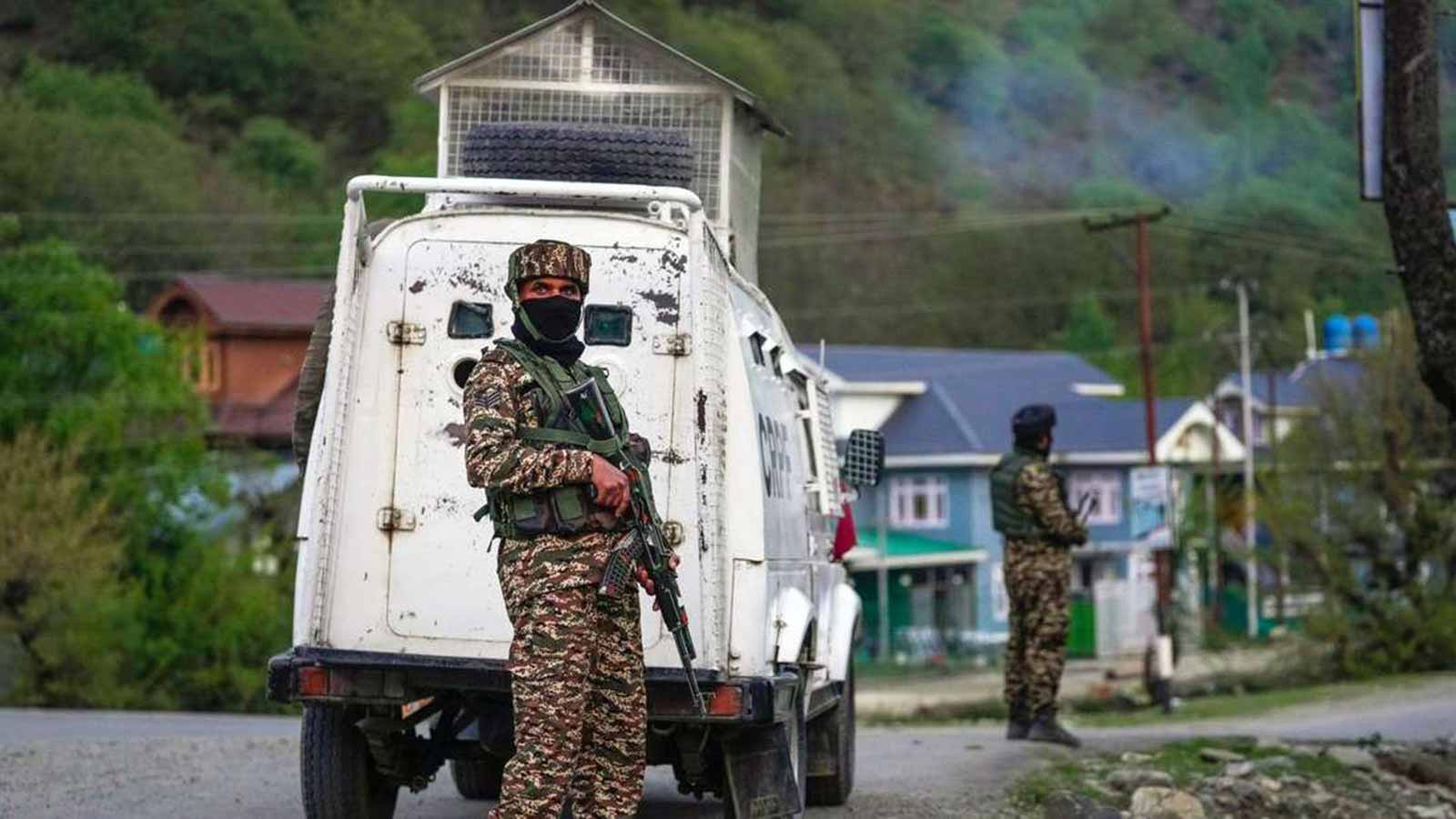
On Tuesday, a tragic terror attack unfolded in Pahalgam, Kashmir, leaving 26 people dead, most of whom were tourists. The attack occurred at the Baisaran meadows, a popular tourist destination, and is being described as one of the deadliest incidents in the region in recent years. According to reports, armed militants targeted the group, causing widespread panic and devastation. The Indian Army and Jammu and Kashmir Police have since launched a search operation to apprehend the perpetrators, focusing on the general areas of Baisaran, Pahalgam, and Anantnag.
Security forces also encountered intense gunfire during a subsequent operation in Kulgam, south Kashmir, further highlighting the volatile situation. The incident has shaken the entire country, with many mourning the loss of innocent lives.
Impact on Kashmir’s Tourism-Driven Economy
Kashmir’s economy heavily relies on tourism, which has seen significant growth in recent years. Following the abrogation of Article 370 in 2019, the region experienced a resurgence in tourist activity. In 2023, Kashmir recorded an all-time high of 21.1 million tourists, revitalizing local businesses and contributing approximately 8.5% to the region’s Gross State Domestic Product (GSDP).
However, the recent attack threatens to reverse this progress. Tourists have already begun canceling bookings, and the once-bustling streets of Pahalgam now lie deserted. Local businesses, including hotels, houseboats, and handicraft sellers, are bracing for significant financial losses. Abdul Rashid, a guesthouse worker in Pahalgam, lamented, “Our economy is gone with one attack. Yesterday, our hotel was full of tourists. Now nobody is here.”
The ripple effects of the attack are expected to impact thousands of livelihoods, from pony-wallas to shopkeepers, who rely on a steady influx of visitors. The region’s fragile economic recovery is now at risk of being derailed.
Government Response and Security Measures
The Indian government has vowed a strong response to the attack. Defence Minister Rajnath Singh stated that those responsible for the “cowardly act” would face a “strong response” in the near future. He emphasized that India would not be intimidated by such acts of terrorism and would pursue not only the perpetrators but also those who conspired to carry out the attack.
Prime Minister Narendra Modi chaired a Cabinet Committee on Security (CCS) meeting to discuss the situation. The meeting included key leaders such as Defence Minister Rajnath Singh, Union Home Minister Amit Shah, and Finance Minister Nirmala Sitharaman, among others. National Security Advisor Ajit Doval and other top officials were also present. The government is expected to announce additional security measures to prevent such incidents in the future.
Broader Implications for Regional Stability
The attack has reignited concerns about regional stability and the ongoing threat of terrorism in Kashmir. Experts believe that the incident is part of a larger design to destabilize the region, which has been on a path of recovery and development since 2019. Terror outfits, often supported by external actors, aim to disrupt peace and economic progress in the Valley.
Local leaders, including former Jammu and Kashmir Chief Minister Omar Abdullah, have called for an all-party meeting to address the fallout of the attack. The focus is on ensuring that the region does not slip back into a cycle of violence and instability.
Development as a Counter to Terrorism
Despite the tragedy, there is a growing resolve among the people of Kashmir to move forward. Many locals have condemned the attack, emphasizing the need for normalcy and development. The government is being urged to continue its focus on infrastructure projects, education, and healthcare to rebuild trust and resilience in the region.
Major projects like the Chenab Railway Bridge and the upcoming Vande Bharat sleeper trains are seen as symbols of progress. Additionally, foreign investments, such as those from Dubai’s Emaar Group, highlight the region’s potential for growth and modernization.
Ultimately, the strongest response to terrorism lies in fostering a peaceful, prosperous, and thriving Kashmir. The region deserves a future free from fear and violence, where its natural beauty and cultural heritage can shine without the shadow of conflict.