
Quick Read
- Gunmen killed 26 tourists and injured dozens in Pahalgam, Kashmir.
- The attack occurred near Baisaran meadow, a popular tourist destination.
- Indian authorities blamed militants opposing Indian rule in the region.
- Prime Minister Modi condemned the attack and vowed justice.
- A manhunt is underway to capture the perpetrators.
Gunmen Open Fire on Tourists in Pahalgam
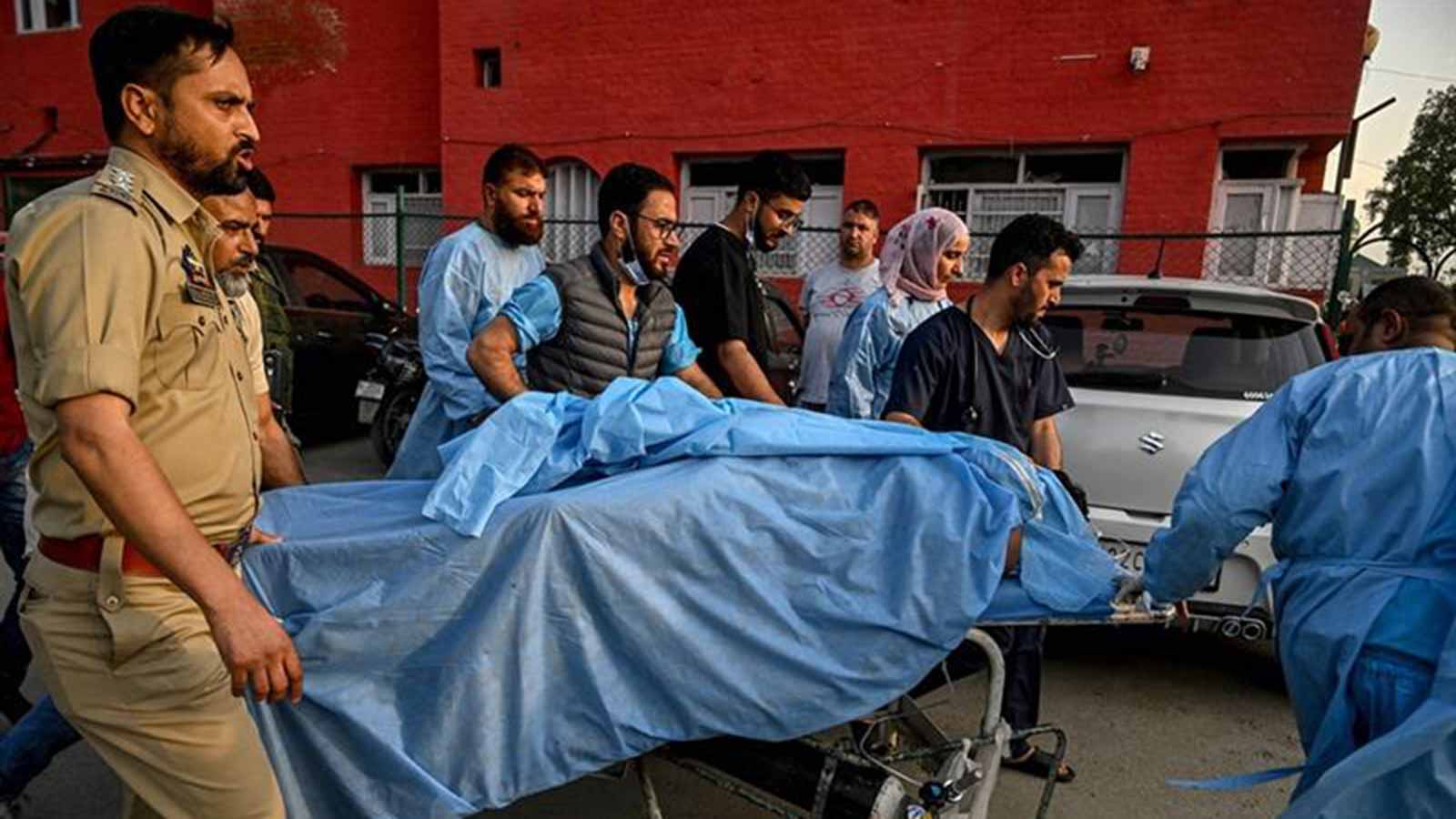
In a tragic incident on Tuesday, at least 26 tourists were killed and over three dozen injured when gunmen opened fire near Baisaran meadow, a popular tourist destination in Indian-controlled Kashmir. The attack, described by authorities as a ‘terrorist act,’ took place approximately three miles from the resort town of Pahalgam.
According to police reports, at least four gunmen targeted a group of tourists visiting the picturesque meadow, often referred to as ‘Mini Switzerland’ for its scenic beauty. The attackers fired at close range, leaving many victims in critical condition. Most of the deceased were Indian nationals, though the identities of all victims are still being confirmed.
Authorities Respond to the Attack
Indian Prime Minister Narendra Modi strongly condemned the attack, calling it a ‘heinous act.’ In a statement on X (formerly Twitter), he expressed condolences to the victims’ families and assured that the perpetrators would face justice. Modi added, ‘Our resolve to fight terrorism is unshakeable and will only grow stronger.’
India’s Home Affairs Minister Amit Shah also condemned the violence and traveled to Srinagar, the main city in Indian-controlled Kashmir, to oversee an urgent security meeting. Shah stated, ‘Those involved in this dastardly act of terror will not be spared, and we will impose the harshest consequences.’
Security forces, including police and military personnel, have launched a manhunt for the attackers. Helicopters are conducting aerial surveillance, and roadblocks have been set up to prevent the assailants from fleeing the area.
Impact on Tourism and Local Sentiments
The attack has sent shockwaves through the region, which has seen a resurgence in tourism in recent years. Baisaran meadow, surrounded by snow-capped mountains and lush greenery, attracts hundreds of visitors daily. Local businesses and residents fear the incident could severely impact the tourism industry, a vital part of the region’s economy.
Omar Abdullah, a prominent political leader in Kashmir, described the attack as one of the worst targeting civilians in recent years. ‘This is a tragic and cowardly act that goes against the ethos of Kashmir, which has always welcomed visitors with love and warmth,’ he said.
International Reactions
The attack has drawn widespread condemnation from global leaders. U.S. Vice President JD Vance, who is currently on a visit to India, expressed his condolences, stating, ‘Our thoughts and prayers are with the victims and their families. The United States stands firmly with India in its fight against terrorism.’
Former U.S. President Donald Trump also condemned the attack, emphasizing the need for international solidarity against terrorism. Leaders from countries including Russia, France, and the UAE have similarly denounced the violence and extended their support to India.
Historical Context and Ongoing Conflict
Kashmir has long been a flashpoint between India and Pakistan, both of which claim the region in its entirety. Since 1989, an armed insurgency against Indian rule has resulted in tens of thousands of deaths, including civilians, militants, and security personnel.
In 2019, the Indian government revoked the special status of Jammu and Kashmir, integrating it more directly into India. This move was accompanied by increased security measures and restrictions on civil liberties, which have drawn criticism from human rights organizations.
While militant attacks in Kashmir have decreased in recent years, Tuesday’s incident underscores the region’s ongoing volatility. The targeting of tourists, a rare occurrence, marks a troubling escalation in the conflict.
Next Steps and Security Measures
Indian authorities have intensified security operations in the region, deploying additional troops and conducting widespread searches. Military officials have urged residents to remain vigilant and report any suspicious activity.
Meanwhile, the government has promised financial assistance to the victims’ families and medical care for the injured. Hospitals in the region are on high alert, with doctors working around the clock to treat those wounded in the attack.
As investigations continue, questions remain about the attackers’ identities and motives. No group has claimed responsibility for the incident so far, but authorities suspect the involvement of militants opposed to Indian rule in Kashmir.
The attack in Pahalgam serves as a grim reminder of the challenges facing Kashmir, a region known for its natural beauty but plagued by decades of conflict. As the world watches, the focus now shifts to ensuring justice for the victims and preventing such tragedies in the future.