
Quick Read
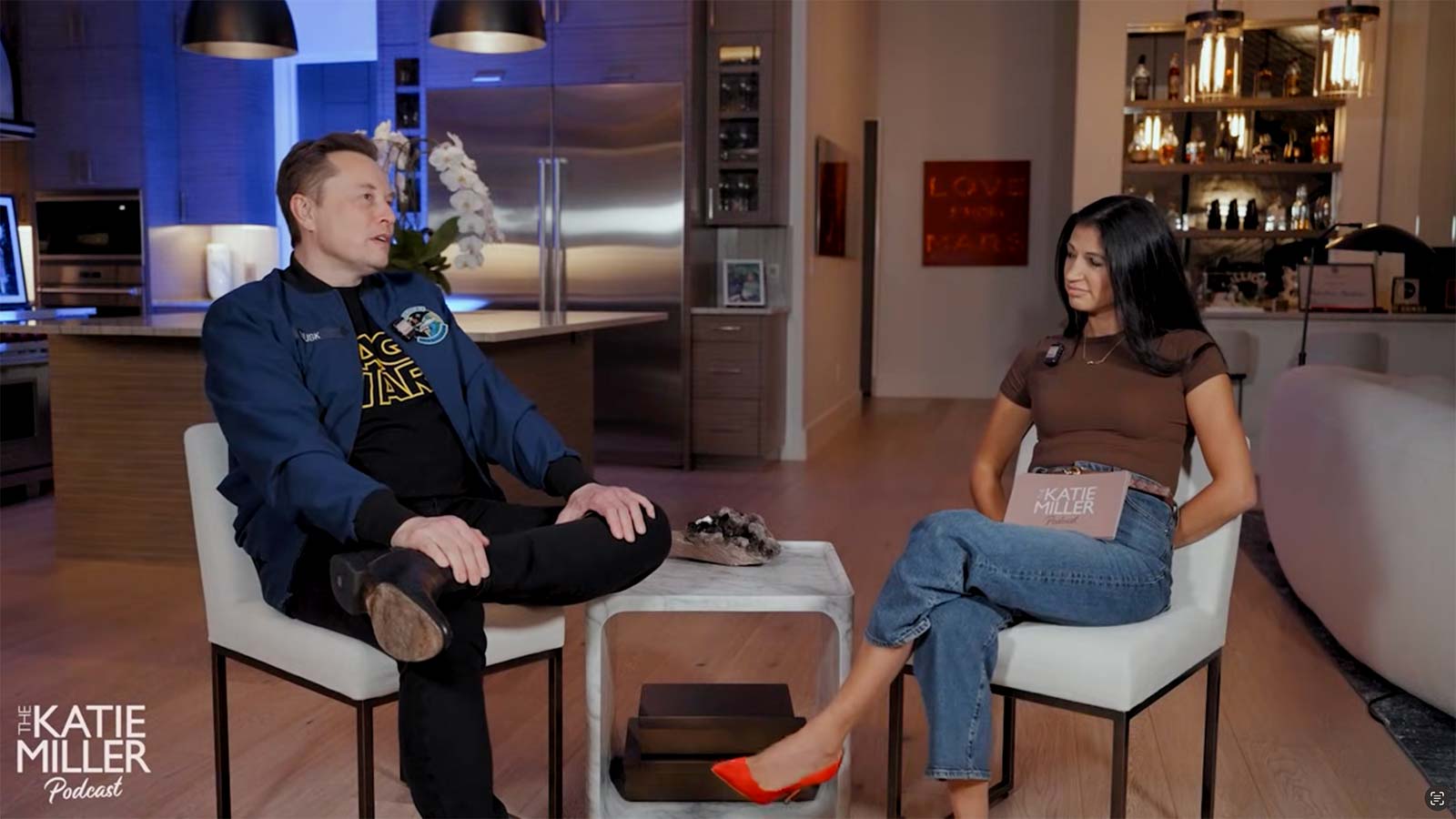
- Katie Miller, former Trump aide, interviewed Elon Musk about his leadership of the controversial DOGE government efficiency initiative.
- Miller pressed Musk on the initiative’s real impact, including criticisms of inflated savings and harmful program cuts.
- DOGE, launched at the start of Trump’s second term, aimed to cut federal spending but faced lawsuits and congressional pushback.
- The interview revealed Musk’s regrets and the strained, then reconciled, relationship between Musk and Trump.
Katie Miller’s Role in the DOGE Narrative
When the Department of Government Efficiency (DOGE) became a lightning rod for controversy during the early months of Donald Trump’s second term, the public debate was often filtered through official statements, policy memos, and headlines. But it was in a candid YouTube podcast with Katie Miller, former Trump aide, that Elon Musk offered his most unguarded reflections on his time as DOGE’s head. Miller, known for her sharp interviewing style and deep familiarity with the Trump White House, was the one to draw out Musk’s ambivalence and regrets, revealing more than just the official record ever did.
From Press Secretary to Podcast Host: Katie Miller’s Political Journey
Katie Miller’s career has always placed her at the crossroads of politics and communication. As a trusted aide to President Trump, Miller was often in the room where decisions happened, shaping the message and advising on its delivery. Her transition to media, specifically as an interviewer, marked a natural evolution: she brought with her not only insider knowledge but the ability to ask pointed questions that cut through political spin. In the Musk interview, Miller didn’t shy away from controversy. She pressed Musk on whether the cost-saving claims of DOGE were real, highlighted the human impact of the layoffs, and steered the conversation to the broader question of what government efficiency should mean in practice.
Miller and Musk: Unpacking the DOGE Initiative
In the podcast, Miller’s questions led Musk to admit that the DOGE initiative was only “a little bit successful.” Despite Musk’s claims that the initiative helped eliminate “entirely wasteful” spending, Miller raised the fact that spending had actually increased since Trump took office, citing analysis from the Wall Street Journal Federal. She challenged Musk on controversial moves like the closure of the US Agency for International Development, which critics argued would have dire consequences for vulnerable populations. Miller’s approach balanced respect for her guest with a commitment to probing for truth, making the interview a standout in the ongoing debate over Trump-era policy experiments.
The Value of Insider Perspectives
For those tracking the Trump administration’s legacy, Miller’s work exemplifies the value of having former insiders ask the tough questions. Her familiarity with the personalities and pressures inside the West Wing allowed her to frame questions Musk might otherwise have deflected. The result was a rare look at the personal and political calculations behind one of the most controversial government reforms in recent memory. Miller’s interview also offered a glimpse into the evolving relationship between Musk and Trump, revealing the personal fallout and eventual reconciliation between two of the era’s most polarizing figures.
While Katie Miller did not serve as the architect of DOGE, her role as interviewer helped clarify the stakes and legacies of the initiative. The conversation with Musk—marked by moments of humor, regret, and candor—underscored the enduring need for accountability and transparency in government reforms.
Katie Miller’s approach to political storytelling—grounded in firsthand experience and unflinching inquiry—demonstrates how former aides can shape the historical record, not just by what they did, but by the questions they ask after leaving office. Her interview with Elon Musk provided a window into the messy realities of government reform and the human stories behind the headlines, a reminder that the legacies of controversial policies are forged as much in conversation as in action.