
Quick Read
- Katie Wilson leads incumbent Bruce Harrell by 1,346 votes in Seattle’s mayoral race, with a 50.08% to 49.59% margin.
- Record voter turnout in King County: 45.02%, with 650,050 ballots counted.
- A mandatory recount is likely due to the margin being under 2,000 votes and less than 0.5%.
- Wilson’s campaign was supported by family, with her parents in New York helping cover child care costs.
- Other Seattle city races show strong leads for progressive candidates, indicating a broader political shift.
Seattle’s Mayoral Race Reaches Historic Turning Point
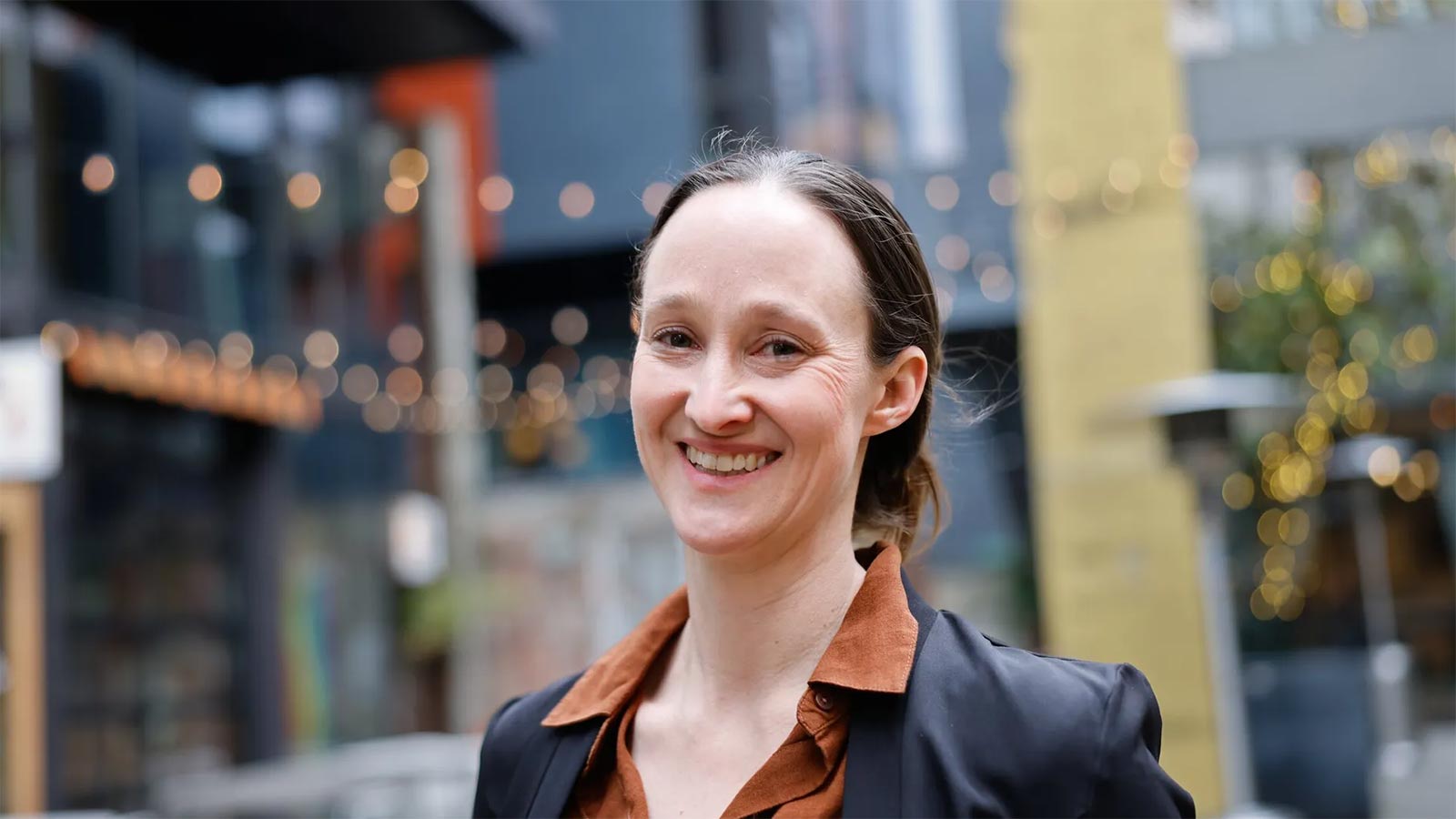
On a cold November evening in 2025, Seattle’s political landscape shifted in a way few expected. Katie Wilson, a progressive challenger whose campaign began as a long shot, has now overtaken incumbent Bruce Harrell in a mayoral race marked by mounting tension, surging voter participation, and late-breaking developments. As new ballots are processed each day, Wilson’s lead, though slight, has become a focal point for residents watching the contest with bated breath.
According to the latest unofficial results released November 11, Wilson now holds 137,217 votes, or 50.08% of Seattle’s tally, compared to Harrell’s 135,871 votes (49.59%). This 1,346-vote margin marks a significant shift from the razor-thin 91-vote lead Wilson held the previous day. The numbers, reported by Westside Seattle, signal not just a change in leadership but also the dynamism and unpredictability of Seattle’s democratic process.
Record Turnout and the Power of Late Ballots
King County’s voter turnout has reached 45.02%, with 650,050 ballots counted as of November 11. In Seattle alone, 277,860 ballots have been processed, underscoring the city’s high engagement. The swelling turnout mirrors a growing trend: late-arriving ballots, often cast by younger and more progressive voters, have the power to shift the trajectory of close races. In fact, the mayoral race’s margin flipped dramatically as these ballots were added, echoing a tug-of-war where each new batch of votes tugs the result a little closer to uncertainty.
On November 7, Harrell was ahead by nearly 10,000 votes. But as the count rose—first to 272,041 ballots by November 10—Wilson erased the deficit and surged ahead. Her rise reflects a broader movement in Seattle politics, one that favors grassroots energy and progressive policies over established incumbency.
The Human Side: Family, Struggle, and the Cost of Campaigning
Behind the numbers lies a deeply personal story. Katie Wilson, 43, moved to Seattle in her 20s with her husband, driven by the promise and challenges of city life. The cost of living—and especially child care—played a central role in her decision to run for mayor. As she told KUOW last month, “My husband and I were just kind of juggling our kid back and forth… But then when I decided to run, we’re like, we really need child care.”
Wilson’s parents, both professors living in New York, have been quietly supporting her campaign—sending checks to help cover $2,200 in monthly daycare costs for her two-year-old so she could focus on her bid for office. This personal investment in Wilson’s candidacy is a testament to the sacrifices behind every campaign, and to the reality that even candidates must grapple with the same pressures as their constituents.
Her platform—centered on progressive taxation, expanded services for the homeless, and universal child care—resonated with voters eager for change. Wilson’s promise to introduce free summer child care in Seattle struck a particular chord among parents, highlighting how policy ideas often spring directly from lived experience.
Recount on the Horizon: What Happens Next?
With a margin of 1,346 votes and less than 0.5% separating the top two candidates, Seattle is now bracing for a mandatory machine recount. According to King County rules, a recount is triggered when the difference is less than 2,000 votes and under 0.5% of the total. The process, estimated to cost around $400,000, will extend the uncertainty for at least another week. Both campaigns are now scrambling to ensure every provisional ballot and signature is verified, knowing that the final outcome may hinge on just a handful of votes.
In the meantime, about 1,700 ballots are still pending signature verification. Both Wilson and Harrell have mobilized their teams to contact voters whose ballots remain in limbo, hoping to tip the scales before certification on November 25.
Ripple Effects Across City and Legislative Races
While the mayoral race draws most attention, other Seattle contests have also seen decisive outcomes. Erika Evans has expanded her lead in the City Attorney race, securing 176,386 votes (66.78%) over Ann Davison’s 87,161 votes (33.00%). On the council, Dionne Foster (Position No. 9) and Alexis Mercedes Rinck (Position No. 8) both command strong majorities, reflecting a broader progressive shift in Seattle’s city government.
In neighboring Burien, the updated results confirm the outcomes of all four city council races, with Hugo Garcia, Sam Méndez, Sarah Moore, and Rocco DeVito all maintaining or expanding their leads. Burien’s Proposition No. 1 continues to be rejected by voters, a sign of skepticism about proposed changes.
Meanwhile, the 34th Legislative District, spanning parts of Seattle and Burien, has reported a 51.34% turnout, with Democratic candidates Emily Alvarado and Brianna K. Thomas holding overwhelming leads—another indicator of the region’s political leanings.
The Voters’ Verdict: Change or Continuity?
The drama of Seattle’s mayoral race is not just about numbers—it’s about the city’s future. Katie Wilson’s rise, powered by grassroots organizing and personal sacrifice, speaks to a hunger for new ideas and leadership. But with the final outcome still uncertain, Seattle faces a moment of collective reflection: will the city embrace change, or will the final ballots swing back to continuity under Harrell?
As the city waits for the recount and final certification, residents can only watch as democracy plays out in real time—each vote a thread in the tapestry of Seattle’s evolving story.
The 2025 Seattle mayoral race has laid bare the city’s political fault lines, exposing both the challenges of modern campaigning and the unpredictable nature of late ballot surges. Katie Wilson’s narrow lead is a testament to the power of grassroots politics and the importance of every single vote. Regardless of the final outcome, this election will be remembered as a watershed moment—one where ordinary struggles, family support, and community engagement intersected to shape the city’s future.