
Quick Read
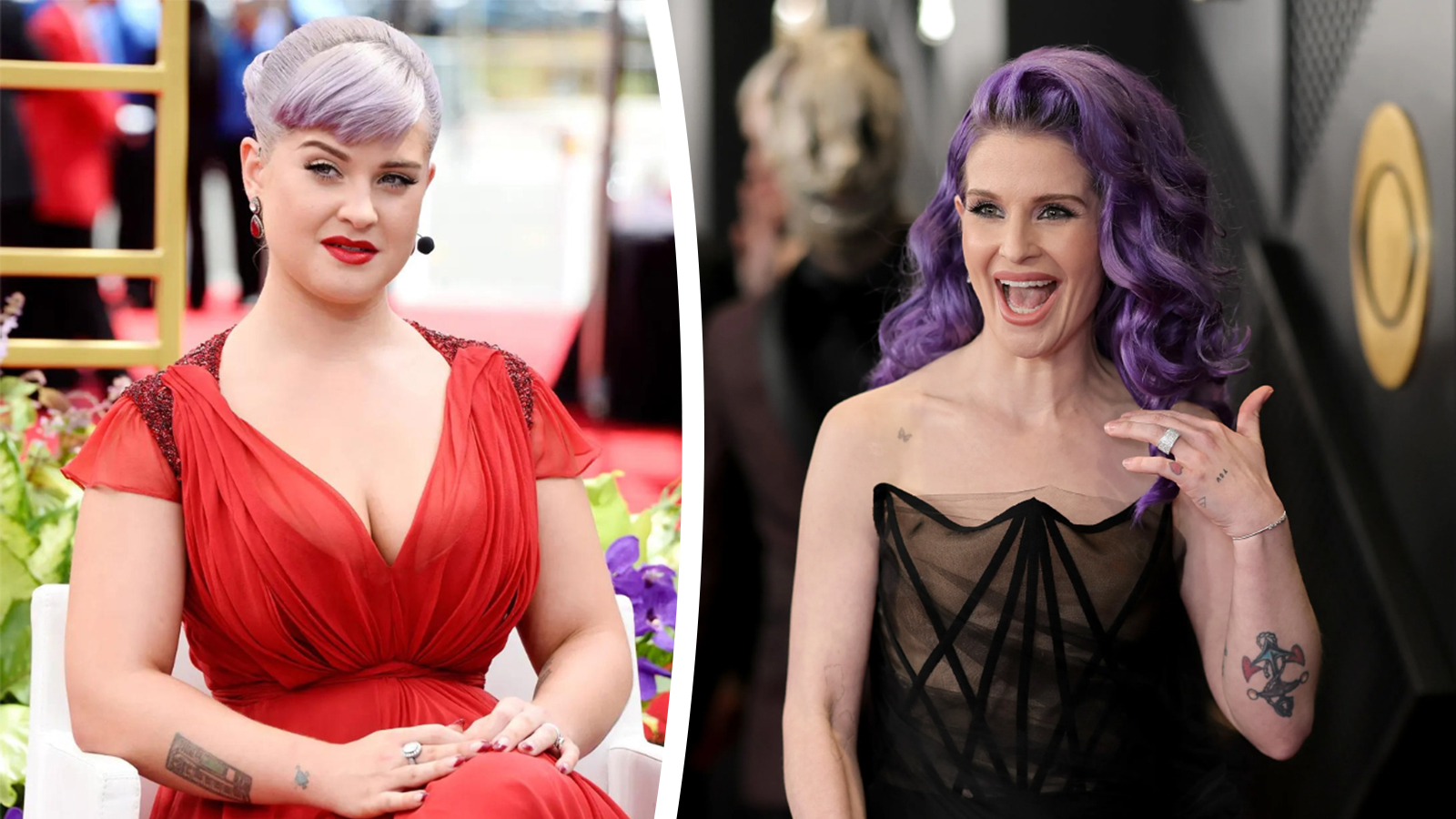
- Kelly Osbourne lost 85 lbs after gastric sleeve surgery in 2018, also addressing addiction issues.
- She faced renewed scrutiny and criticism following her dramatic weight loss after Ozzy Osbourne’s death in 2025.
- Kelly has denied using Ozempic for weight loss, but supports those who benefit from it.
- Her mother, Sharon Osbourne, has publicly defended her against online trolls.
- Kelly emphasizes mental health, family, and resilience as keys to her healing.
Kelly Osbourne’s Candid Fight Against Body Image and Public Judgment
For more than two decades, Kelly Osbourne’s name has been synonymous with raw honesty and a refusal to let tabloid headlines dictate her sense of self. Rising to fame as a teenager on her family’s reality show, The Osbournes, Kelly quickly became familiar with public scrutiny—not just for her wild antics or famous lineage, but for her body. In 2024, she recalled a formative moment on The Osbournes Podcast when an agency executive bluntly told her she was “too fat for TV.” The message was clear: lose weight, become the package the industry wants, or risk being overlooked.
But Kelly Osbourne’s journey has never been just about fitting into Hollywood’s mold. It’s been about health, self-acceptance, and, more recently, surviving the waves of grief after losing her father, legendary rocker Ozzy Osbourne, in the summer of 2025.
85 Pounds Lost: Surgery, Struggle, and Honesty
The turning point in Kelly’s battle with her body came in 2018, when she underwent gastric sleeve surgery—a procedure that removes part of the stomach to help patients feel full after smaller meals. By 2020, she had lost 85 pounds. But Kelly was never interested in selling a fantasy; she told Hollywood Raw podcast hosts, “I will never ever ever lie about it ever. It is the best thing I have ever done.”
Surgery alone wasn’t a magic fix. Kelly committed to exercising and eating nutritiously. “All [the surgery] does is move you in the right direction,” she explained. It also helped with her struggles with addiction, by cutting out the hormone that fuels emotional eating and cravings. The transformation was physical, but also deeply psychological.
Pregnancy, Postpartum, and the Limits of Self-Critique
In 2022, Kelly welcomed her first child, Sidney, with fiancé Sid Wilson. Pregnancy brought its own set of battles. She gained 100 pounds and developed gestational diabetes, a condition triggered by hormonal changes and the body’s increased need for insulin. The fear of public shaming led her to avoid the spotlight: “I just didn’t want pictures out there. I didn’t want to face it and have people be like, ‘Oh, she’s a moose!’ So I just cut the problem out,” she admitted to PEOPLE.
After giving birth, Kelly launched herself into losing the baby weight. She admits, “I went a little bit too far but [I] stopped.” The pressure to reach a ‘total package’ never faded, but her attitude began to shift. She was no longer interested in hiding or punishing herself.
Facing Accusations: Ozempic and the Search for Understanding
As Kelly’s appearance changed, so did the speculation. Online critics accused her of using Ozempic, a diabetes medication popular for weight loss. She addressed the rumors head-on in a 2024 interview with Extra: “I did not take Ozempic. I don’t know where that came from.” Yet, she refused to judge those who do use it, describing how meeting people who benefited from the medication changed her perspective: “If there’s a medication out there that can help people lose weight, then what’s so bad about it?”
Kelly also explored non-surgical treatments like EMFACE and EMSCULPT to address stretch marks and skin elasticity after pregnancy. For her, wellness wasn’t about perfection; it was about feeling comfortable and healthy in her own skin.
Grief, Criticism, and the Value of Family
July 2025 marked a seismic shift for Kelly: the death of her father, Ozzy Osbourne. The loss sent her into a period of grief that affected her eating and emotional well-being. In December, Kelly posted a blunt message to her critics: “My dad just died, and I’m doing the best that I can, and the only thing I have to live for right now is my family.” She made it clear that the happy moments she shares online are just one side of a complex reality. “So to all those people, f— off.”
Her mother, Sharon Osbourne, publicly defended her daughter during an appearance on Piers Morgan Uncensored. Sharon explained, “She’s lost her daddy. She can’t eat right now.” She described the internet as a shield for unhappy people, noting that negative comments often stem from jealousy and misperception. Sharon’s empathy for her daughter extended to those who leave hurtful comments: “I feel sorry for people. There’s something wrong with their lives. They’re not happy.”
Kelly echoed these sentiments on social media, urging critics to reflect on their own feelings. “Because most of the things you’re saying about me is how you feel about yourself.” The struggle to face each day, she said, should be commended.
Living in a Fat-Phobic World: Mental Health and Moving Forward
At the Beacher Vitality Happy & Healthy Summit in May 2025, Kelly spoke candidly about the relentless scrutiny she’s faced. “I have been a drug addict, an alcoholic … I’ve been a complete mess, disrespectful to people, horrible — but I got more s— for being fat than I did for anything else. It’s insane.” The constant commentary about her body overshadowed even her most personal battles.
Ultimately, Kelly credits her progress to prioritizing mental health. “I tried probably everything that there is out there, whether it be surgery, medication, diet and exercise. I got my mind where I needed it to be, and everything started to fall into place.”
Her story is not just about the numbers on a scale, but about surviving in a world where body image is weaponized, grief is public, and resilience is quietly heroic. The Osbournes, for all their fame, remain a family—one that, through adversity, chooses compassion and candor over concealment.
Kelly Osbourne’s journey is a reminder that health is more than physical transformation. It is shaped by grief, resilience, and the courage to face critics—both internal and external. As public figures continue to challenge stigma and share their struggles, the conversation about body image, mental health, and the complexity of healing will only grow more honest and vital.