
Quick Read
- The Kennedy Center in Washington D.C. is slated to close for two years starting July 2026 for renovations.
- President Donald Trump announced the plan, citing the need to transform a “tired, broken, and dilapidated Center.”
- The decision follows a period of significant performer backlash and leadership changes at the institution.
- Renowned composer Philip Glass and the Washington National Opera have withdrawn performances due to value conflicts.
- The renovation plan requires approval from the Kennedy Center’s board of trustees, chaired by President Trump.
WASHINGTON (Azat TV) – The John F. Kennedy Center for the Performing Arts, a cornerstone of American culture in Washington, D.C., is scheduled for a two-year closure commencing in July 2026 to undergo extensive renovations. This significant development was announced by President Donald Trump, who cited the necessity of transforming a “tired, broken, and dilapidated Center” into a “World Class Bastion of Arts, Music, and Entertainment.” The decision arrives amidst a period of escalating controversy and a notable exodus of performers, following shifts in the center’s leadership and the President’s increased influence over the institution, which he now chairs.
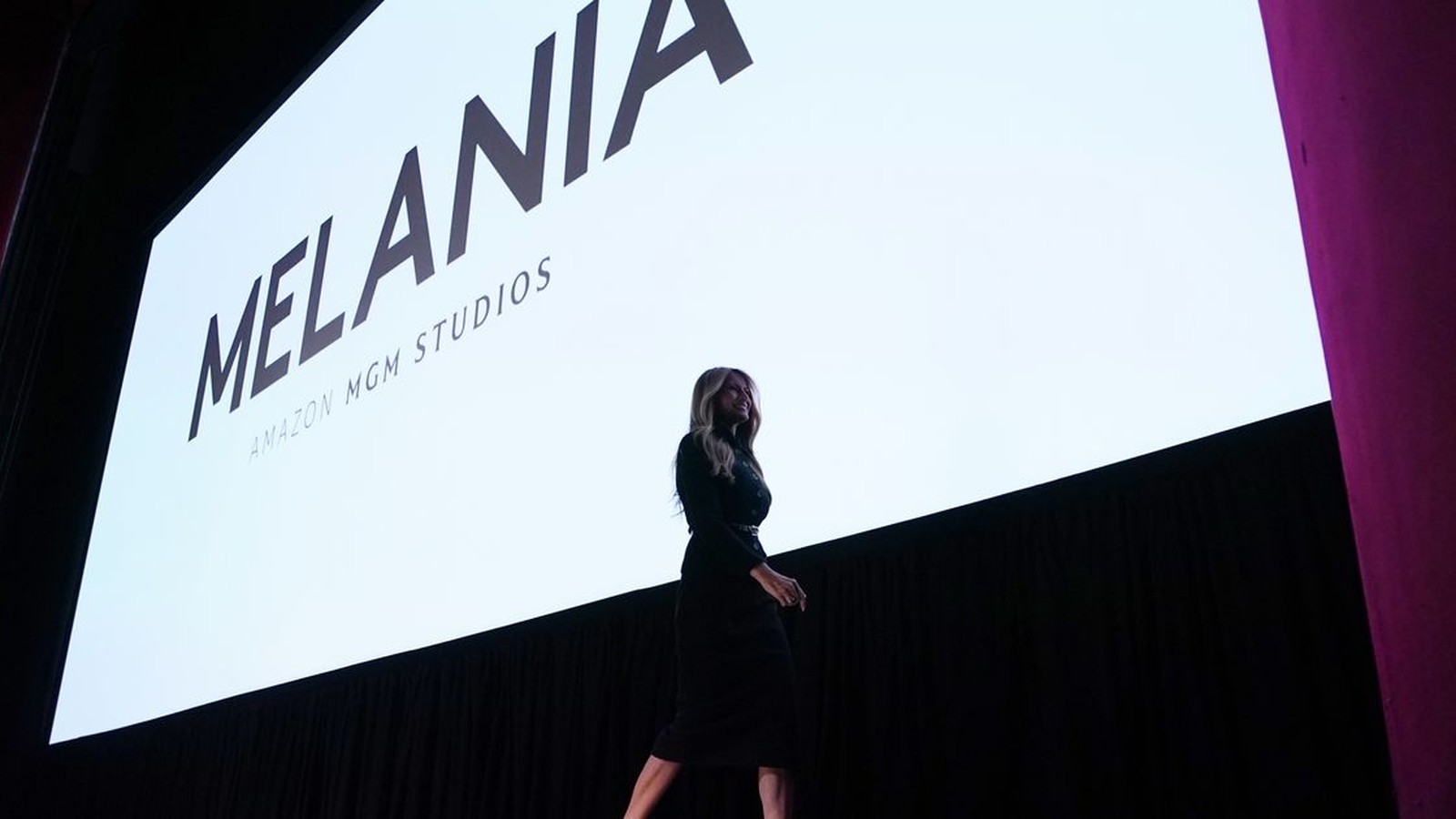
President Trump conveyed his renovation plans via a social media post on Sunday night. In his statement, he emphasized that the initiative is informed by “Highly Respected Experts” and aims to address long-standing financial and structural issues within the iconic venue. The proposal, he clarified, awaits formal approval from the Kennedy Center’s board of trustees. This board has seen a significant reshuffling, with President Trump himself serving as its chairman and having appointed many of its current members. The announcement comes on the heels of a public screening of “Melania,” a documentary about the First Lady, at the venue, an event that further intensified the debate surrounding the center’s artistic autonomy and its public image.
Kennedy Center’s Role and Recent Controversies
Established in 1971 as a living memorial to President John F. Kennedy, the center has long stood as the nation’s cultural hub, dedicated to presenting and producing a diverse array of artistic performances, fostering arts education, and serving as a national stage for both American and international artists. Its mission has traditionally emphasized non-partisanship, aiming to unite audiences through shared cultural experiences. However, the institution has recently become a focal point of political contention, particularly since President Trump assumed a more direct role in its governance.
The period preceding the renovation announcement has been marked by a significant “performer backlash.” This phenomenon refers to the organized and individual decisions by artists and arts organizations to withdraw their participation from the Kennedy Center, often citing a perceived misalignment between the center’s current direction and their own artistic values. These withdrawals represent a powerful form of protest within the cultural sphere, signaling a deep concern over the institution’s perceived politicization. For an establishment that relies heavily on its reputation within the artistic community, such widespread dissent poses a substantial challenge to its long-term viability and standing.
High-Profile Artistic Withdrawals Precede Renovation
The list of artists and groups opting out of performances at the Kennedy Center has grown, highlighting the depth of the artistic community’s unease. Most recently, the internationally renowned minimalist composer Philip Glass publicly announced his decision to withdraw his Symphony No. 15 “Lincoln.” Glass explicitly stated that the values currently espoused by the center are in “direct conflict” with the profound message and intent of his composition, which often explores themes of peace, justice, and humanity.
Prior to Glass’s announcement, the Washington National Opera, a resident company of the Kennedy Center for decades, also made headlines by declaring its intention to relocate its performances away from the venue. This high-profile departure from the U.S. capital’s leading performing arts institution sent a clear signal through the arts world. These actions are not merely logistical changes; they are symbolic gestures by major cultural figures and organizations, underscoring a collective apprehension about the perceived erosion of artistic independence and neutrality at a national cultural landmark. The cumulative effect of these withdrawals has put immense pressure on the center’s leadership and raised questions about its ability to attract top-tier talent in the future.
Implications of the Two-Year Closure and Future Vision
The impending two-year closure for renovations will undoubtedly have a profound impact on Washington D.C.’s vibrant cultural landscape. While the precise scope of the renovations remains to be fully detailed, President Trump’s stated goal is to elevate the Kennedy Center to a “World Class Bastion of Arts, Music, and Entertainment.” Such an ambitious transformation implies significant structural and technological upgrades, potentially reshaping the physical environment for artists and audiences alike. However, the extended closure period means a temporary void in the city’s major performing arts calendar, necessitating alternative venues for many scheduled events and potentially disrupting the routines of countless patrons and artists.
The approval process by the Kennedy Center’s board of trustees, chaired by President Trump, is expected to be a formality, given the composition of the board. This centralized control over a national cultural institution, coupled with the explicit political overtones of recent events, marks a distinct departure from historical norms. The renovation project, therefore, is not merely a physical upgrade; it represents a bold assertion of a new vision for the Kennedy Center, one that aims to redefine its purpose and its place within both the national cultural dialogue and the broader political landscape.
The planned two-year closure of the Kennedy Center for extensive renovations, initiated by presidential decree and supported by a board under direct executive influence, underscores a significant reorientation of a key national cultural institution, reflecting both a strategic attempt to modernize facilities and an ongoing tension between artistic autonomy and political oversight.