
Quick Read
- Kerwin Silfies, a veteran WWE director, died at 75 after battling health issues.
- He joined WWE in 1985 and directed major events including WrestleMania and Saturday Night’s Main Event.
- Silfies was credited with helping to establish iconic wrestling personas like Curt Hennig’s Mr. Perfect.
- WWE Chief Content Officer Triple H and AEW star Bryan Danielson were among those who paid tribute.
- He retired from WWE in 2020 during the COVID-19 pandemic after over four decades of service.
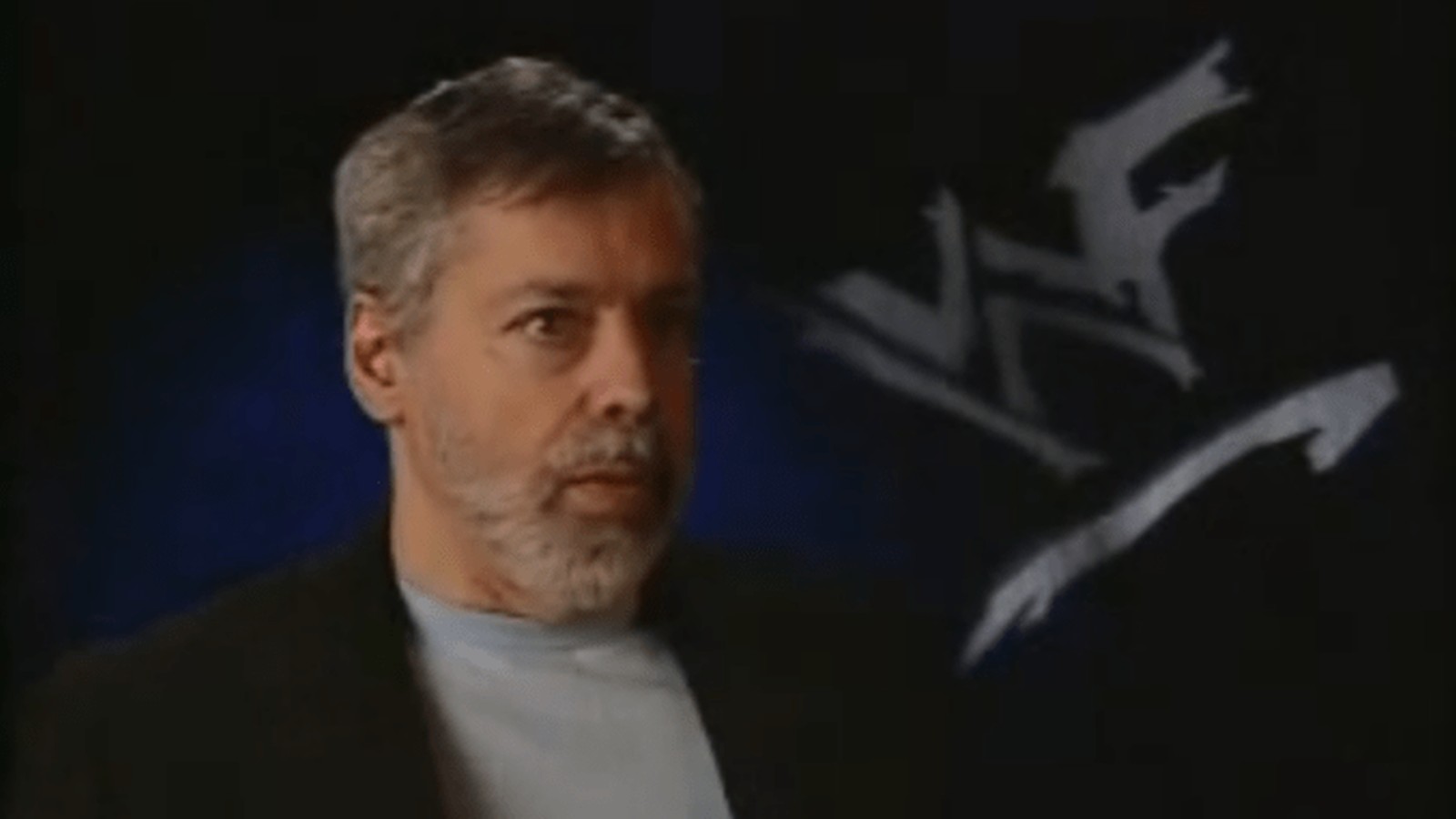
LOS ANGELES (Azat TV) – Kerwin Silfies, a highly respected veteran director who spent over four decades shaping WWE’s televised programming, has died at the age of 75 following a period of health issues. His passing prompted an outpouring of tributes from leading figures in the wrestling world, including WWE Chief Content Officer Triple H and AEW star Bryan Danielson, underscoring his profound and lasting impact on sports entertainment.
Silfies joined WWE in 1985 and remained a pivotal behind-the-scenes figure until his retirement during the COVID-19 pandemic in 2020. His extensive career saw him direct countless episodes of major programs like Raw and SmackDown, premium live events, and numerous WrestleManias, including iconic installments such as WrestleMania III, IV, V, and VI. He was also at the helm for the inaugural Saturday Night’s Main Event and the company’s first broadcast from Saudi Arabia.
Decades of Impact on WWE Programming
For more than 35 years, Silfies was instrumental in crafting the visual storytelling that defined WWE. His role extended beyond simply directing matches; he was also known for his creative contributions to character development. Notably, he is credited with helping to establish Curt Hennig’s beloved ‘Mr. Perfect’ persona in the late 1980s, a character that resonated deeply with fans and showcased Silfies’s ability to blend live action with compelling narrative elements. He also inspired the ‘Kerwin White’ character for Chavo Guerrero Jr.
Beyond the high-octane world of professional wrestling, Silfies also directed a Civil War documentary titled The Last Full Measure, narrated by Stacy Keach, showcasing his diverse range as a production professional. He even made an appearance in a documentary about WrestleMania IX, offering a glimpse into his perspective on the industry.
Wrestling World Mourns Kerwin Silfies
The news of Silfies’s death led to widespread mourning and public tributes from across the wrestling industry. Triple H, a WWE legend and now a top executive, shared a heartfelt message on social media, stating, “Today, the WWE family lost one of our beloved members. Kerwin Silfies was a huge part of the company’s programming since the mid-1980s.” He further praised Silfies’s ‘dry wit and an unmatched passion for his work and his coworkers,’ acknowledging how Silfies ‘affected hundreds of employees and millions of fans.’
During a recent episode of AEW’s Dynamite, the commentary team took a moment to recognize Silfies’s passing. Commentator Tony Schiavone spoke about Silfies’s calm demeanor under pressure, while Bryan Danielson offered an emotional on-air tribute. Danielson, visibly moved, described Silfies as ‘kind and patient,’ recalling how Silfies helped him navigate the complexities of television production early in his career. Danielson concluded by extending his condolences to Silfies’s family and friends.
Former ECW and WWE star Taz also paid tribute, expressing his sadness. He recounted working with Silfies for many years, both on the road and in the studio, and praised his ‘passion for great TV in the wrestling biz.’ Taz shared a remarkable anecdote, highlighting Silfies’s dedication by stating, ‘This man once was working in the studio through an actual heart attack and kept working!’ Taz concluded by suggesting Silfies deserved a place in the WWE Hall of Fame.
A Lasting Legacy in Sports Entertainment
Kerwin Silfies’s work behind the camera was crucial in developing the distinct look and feel of WWE programming for generations. His ability to craft compelling character vignettes and expertly direct major live events played a significant role in expanding wrestling’s audience both domestically and internationally. His contributions helped define the visual language of sports entertainment, influencing how stories were told and how characters were presented to millions of viewers worldwide.
The numerous tributes from colleagues and industry leaders underscore Silfies’s reputation not just as a skilled director, but as a respected mentor and an integral ‘family member’ whose dedication helped elevate professional wrestling into a global phenomenon. His legacy is etched into the fabric of WWE’s most memorable moments, reflecting a career spent perfecting the art of televised spectacle.