
Quick Read
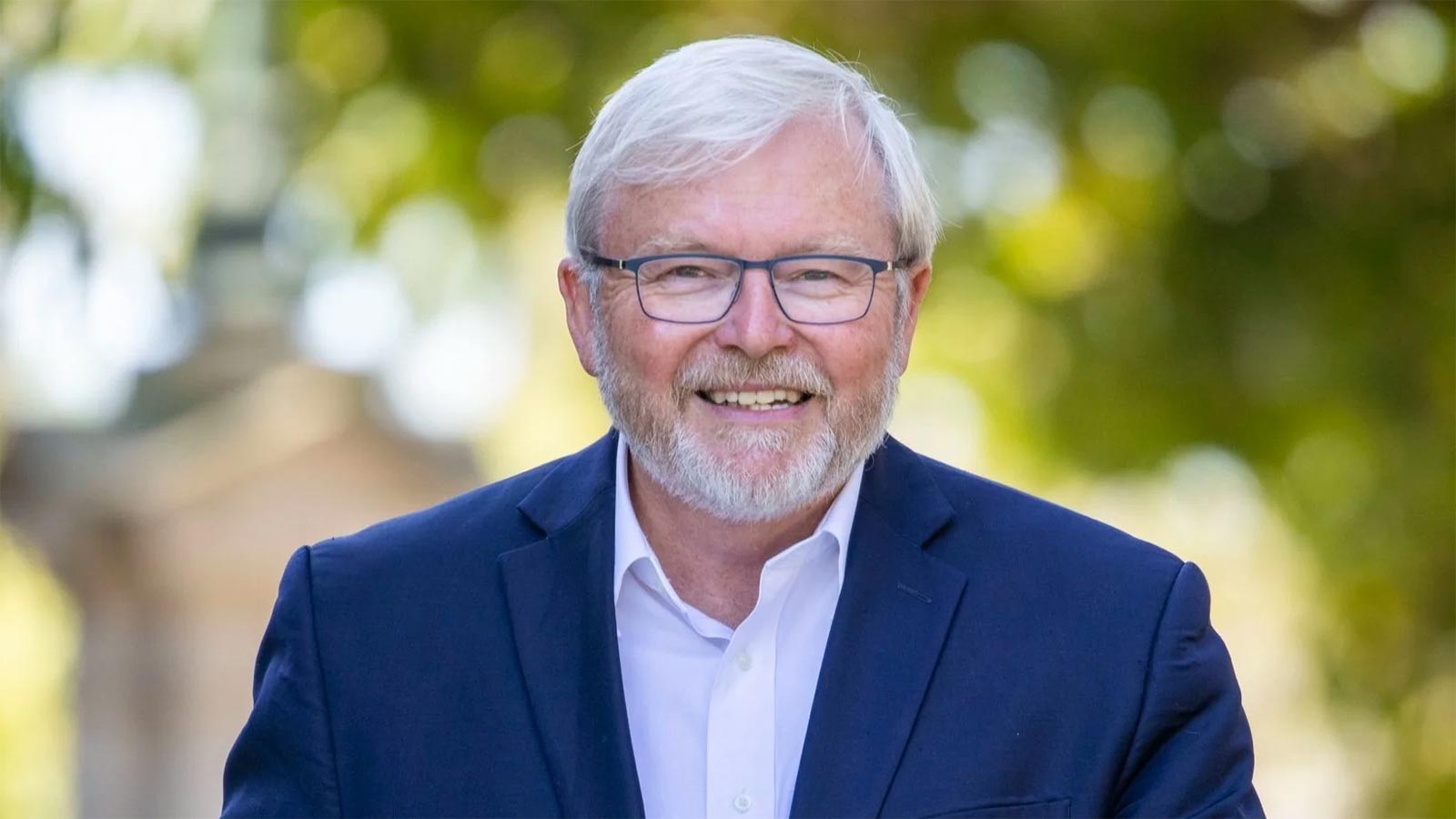
- Kevin Rudd, Australia’s ambassador to the US, faced Donald Trump at a White House meeting amid past criticisms.
- Trump joked ‘I don’t like you either’ after Rudd’s earlier remarks, leading to laughter and easing tensions.
- Rudd had previously called Trump a ‘village idiot’ and deleted critical posts after Trump’s election victory.
- The incident did not derail talks; agreements on critical minerals were signed and both delegations moved forward.
- Rudd offered a quiet apology to Trump after the exchange, as noted by reporters.
Kevin Rudd Meets Trump: A Diplomatic Showdown with a Twist
It was one of those moments in Washington that diplomats fear and journalists relish—a brief, unscripted exchange that reveals more about the state of affairs than any official statement ever could. In the ornate White House cabinet room, beneath the gaze of portraits and the glow of chandeliers, Australia’s ambassador to the United States, Kevin Rudd, found himself face-to-face with President Donald Trump, and the world watched as tension gave way to unexpected laughter.
From Harsh Words to Humour: The Backstory of Rudd’s Critique
Kevin Rudd’s journey to the heart of American diplomacy has never been without controversy. Once Australia’s prime minister, Rudd was appointed ambassador to the US by Prime Minister Anthony Albanese in November 2024—a choice that set off ripples in both Canberra and Washington. The reason? Rudd’s own words. In a 2021 interview, he famously described Trump as “a village idiot” and “not a leading intellectual force.” The remarks were widely circulated, and Rudd later deleted social media posts critical of Trump after Trump’s election victory, stating he did so “out of respect” for the office.
Conservative critics speculated for months that Trump would never forgive such blunt criticism. Would Australia’s standing suffer as a result? The question hung in the air as Rudd took his seat in the White House cabinet room, just metres from Trump, during a high-stakes meeting between Trump and Albanese. But reality, as it often does in politics, took an unexpected turn.
The Moment: Tension, Laughter, and the Power of Apology
It began with a simple question from an Australian reporter: Had Rudd’s past comments affected Trump’s view of Albanese’s administration? Trump, never one to shy away from confrontation, replied with characteristic bluntness. “I don’t like you either. And I probably never will,” he said, directing the remark at Rudd after identifying him at the table. The room froze for a split second—then erupted in laughter. The laughter, according to The Guardian and BBC, seemed to release a pressure valve that had been building in diplomatic circles for months.
Rudd, rarely at a loss for words, began to respond: “Before I took this position, Mr President…” but was cut off by Trump, who shifted focus as quickly as he delivered his rebuke. Even Prime Minister Albanese joined in the laughter, perhaps relieved that the exchange hadn’t escalated into something more damaging.
The episode didn’t derail the meeting. In fact, it seemed to lighten the atmosphere, allowing Trump and Albanese to move forward with discussions on critical minerals and security. Trump signed a major minerals agreement, praised Albanese, and even complimented an Australian reporter’s haircut—moments that mixed the surreal with the substantive.
Diplomacy Beyond the Soundbite: Forgiveness or Forgetfulness?
For seasoned observers, Trump’s interaction with Rudd was a study in contrasts. Trump is famous for holding grudges, inventing nicknames, and publicly airing grievances. Yet, he also has a record of moving past old slights; Marco Rubio, once dubbed “little Marco” by Trump, now sits at his side as US secretary of state.
In this case, Trump seemed not to dwell on Rudd’s past words. If anything, he appeared almost oblivious to the ambassador’s identity at first. Was this genuine forgetfulness, or a deliberate choice to move beyond past criticisms for the sake of diplomatic progress? The answer remains elusive, but the outcome was clear: Australia’s delegation left the White House without further drama, and the critical minerals deal went ahead as planned.
According to The Guardian, as reporters left the room, Rudd was seen leaning towards Trump, offering a quiet apology—a gesture not captured on camera but noted by those present. It was a small but telling moment, underscoring the importance of humility and adaptability in international relations.
The Aftermath: What Does This Mean for Australia-US Relations?
For months, the spectre of diplomatic fallout loomed over Rudd’s appointment. Would Trump’s notorious sensitivity to criticism affect Australia’s interests? Would the ambassador’s past remarks complicate strategic cooperation, especially as both nations face new challenges in the Pacific and beyond?
The events in the White House suggest a more nuanced reality. While personal animosities can complicate diplomatic ties, they rarely define them entirely. The laughter in the cabinet room, the swift signing of agreements, and the willingness to move past awkward moments all point to a pragmatic approach—one that values national interest over personal grievance.
Rudd’s experience also highlights a broader truth about modern diplomacy: words matter, but so does the ability to adapt, apologise, and move forward. In the age of viral soundbites and social media, the line between personal opinion and official policy can blur, but effective diplomats know when to draw it and when to let bygones be bygones.
Conclusion: The Human Face of International Politics
In the end, the meeting between Kevin Rudd and Donald Trump was more than a minor news cycle blip—it was a window into the complexities, risks, and occasional absurdities of diplomatic life. Behind the headlines and the viral quotes are real people, each balancing national interests, personal histories, and the unpredictable dynamics of global politics.
For Rudd, the day ended not with confrontation, but with laughter and a quiet apology. For Trump, it was another moment in a presidency defined by unpredictability. And for Australia and the United States, it was a reminder that diplomacy is as much about navigating personalities as it is about policy.
The Rudd-Trump encounter shows that even in an era of instant outrage and digital memory, pragmatic diplomacy can survive—and sometimes even thrive—on a blend of honesty, humility, and humour. The real test lies not in the heat of the moment, but in the ability of leaders to move forward, together, for the greater good.