
Quick Read
- The SCO Summit 2025 is being held in Tianjin, China, from August 31 to September 1.
- Leaders like Modi, Erdogan, and Xi Jinping will address critical issues, including Ukraine and regional security.
- Zelensky and Modi coordinated positions ahead of the summit, emphasizing the need for an unconditional ceasefire in Ukraine.
- Turkey’s President Erdogan will hold bilateral talks with Xi Jinping and other leaders.
- Indian External Affairs Minister S. Jaishankar will miss the summit due to health reasons.
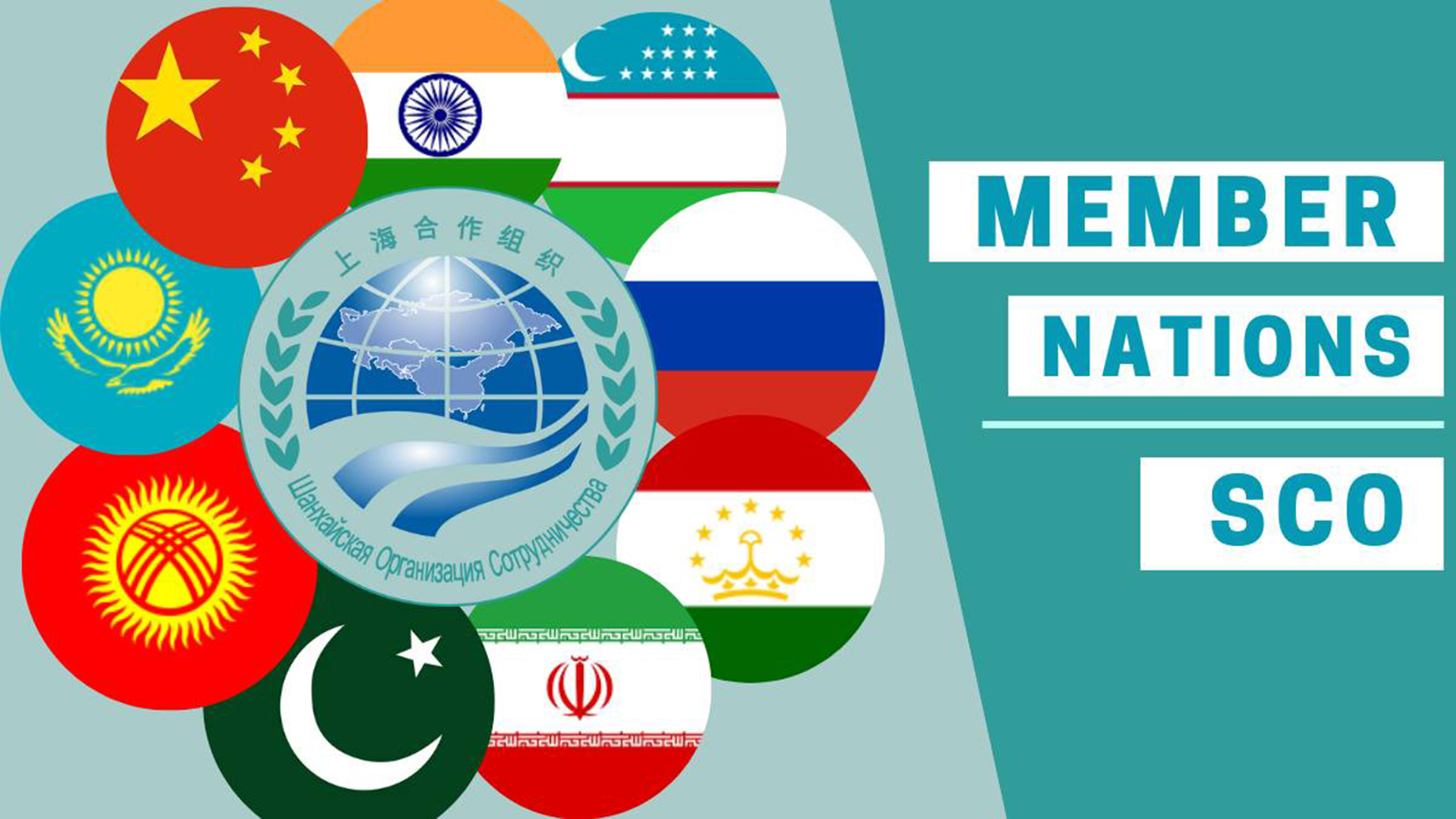
The Shanghai Cooperation Organization (SCO) Summit 2025, being held in Tianjin, China, from August 31 to September 1, has garnered significant global attention. This year’s summit marks the 25th meeting of the Heads of State Council of the SCO, a multilateral organization founded in 2001 to foster political, economic, and security cooperation across Eurasia. The summit comes at a critical time, with key international issues like the ongoing conflict in Ukraine, regional security, and economic partnerships dominating the agenda.
Modi and Zelensky Align Ahead of the Summit
In the lead-up to the summit, Ukrainian President Volodymyr Zelensky and Indian Prime Minister Narendra Modi engaged in a strategic dialogue to align their positions. According to Ukrinform, the two leaders held a phone call during which Zelensky briefed Modi on his recent discussions with U.S. President Donald Trump and European leaders. The talks emphasized the importance of a unified approach to achieving peace in Ukraine. Zelensky reiterated Ukraine’s readiness to negotiate with Russia but highlighted Moscow’s continued aggression, including strikes on civilian targets over the past two weeks.
Modi expressed condolences for the loss of Ukrainian lives and affirmed India’s commitment to advocating for an unconditional ceasefire at the SCO summit. Zelensky thanked Modi for India’s role in conveying critical messages to Russia and other stakeholders during the event. Their conversation also touched upon strengthening bilateral relations and planning reciprocal visits and joint commissions.
Erdogan and Xi Jinping to Lead Key Discussions
Turkish President Recep Tayyip Erdogan arrived in Tianjin as a guest of honor for the summit. As reported by News.Az, Erdogan is expected to address the summit during an expanded session on September 1. The Turkish leader will also hold bilateral meetings with Chinese President Xi Jinping and other heads of state, focusing on regional stability and economic cooperation. Erdogan’s participation highlights Turkey’s growing engagement with Eurasian platforms, despite not being an SCO member.
Xi Jinping, hosting the summit, will chair the Council of Heads of State meeting and deliver a keynote address. According to WION, this year’s summit will be the largest since the SCO’s inception, with leaders from more than 20 countries and heads of 10 international organizations in attendance. Russian President Vladimir Putin will also participate, marking a significant moment for Sino-Russian relations amid global tensions.
Notable Absences and Challenges
While the summit boasts a robust lineup of participants, it is not without notable absences. Indian External Affairs Minister S. Jaishankar, a key figure in India’s foreign policy, will miss the event due to health issues. As reported by The Tribune, his absence is particularly significant, as it coincides with Modi’s scheduled bilateral meetings with Xi Jinping. National Security Advisor Ajit Doval will play a prominent role in Jaishankar’s stead.
The absence of direct representation from some nations underscores the complexities of multilateral diplomacy. The SCO, originally conceived as a regional security platform, has increasingly become a forum for addressing broader geopolitical and economic challenges. This year’s summit is expected to highlight these tensions, particularly in light of ongoing conflicts and shifting alliances.
The Broader Implications of the SCO Summit
The SCO summit serves as a critical platform for fostering dialogue among Eurasian nations. With its expanding membership and growing influence, the organization is uniquely positioned to address issues ranging from counterterrorism to economic integration. The participation of leaders like Modi, Erdogan, and Xi Jinping underscores the summit’s significance in shaping the geopolitical landscape of the region.
Additionally, the summit offers an opportunity for smaller nations to voice their concerns and seek support for their development agendas. As the SCO continues to evolve, its role in promoting multilateralism and regional stability remains pivotal.
As the world watches the developments in Tianjin, the outcomes of the SCO summit will undoubtedly have far-reaching implications, not only for member states but also for the broader international community.