
Quick Read
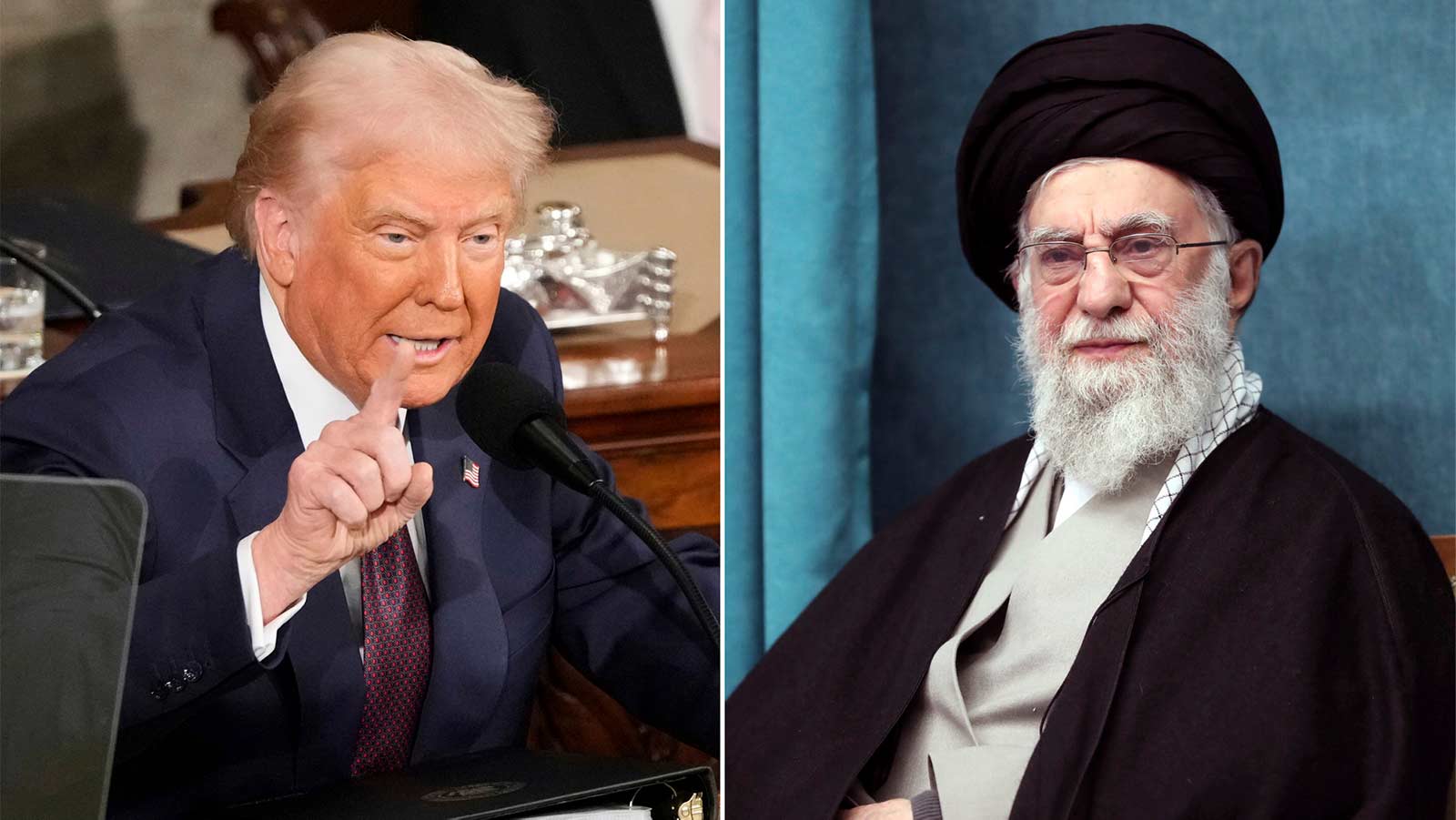
- Iran’s Supreme Leader Ayatollah Ali Khamenei declared on June 18, 2025, that Iran ‘will not surrender’ to U.S. demands.
- President Trump had called for Iran’s unconditional surrender amid escalating tensions over the Israel-Iran conflict.
- Iran warned of severe consequences for any U.S. military intervention, escalating fears of broader regional instability.
On June 18, 2025, Iran’s Supreme Leader Ayatollah Ali Khamenei delivered a defiant message to the United States, rejecting President Donald Trump’s call for the nation’s ‘unconditional surrender.’ In a televised speech, Khamenei emphasized Iran’s resilience, stating, ‘The Iranian nation stands firm against an imposed war, just as it will stand firm against an imposed peace, and this nation will not surrender to anyone in the face of imposition.’
His remarks come amid a rapidly escalating conflict between Israel and Iran, with the United States signaling potential involvement. Khamenei warned that any U.S. military action would result in ‘irreparable consequences,’ further heightening tensions in the Middle East.
The Context Behind Trump’s Demands
On June 17, 2025, President Trump took to Truth Social to issue a series of combative statements, calling for Iran’s unconditional surrender. He claimed that the U.S. had ‘complete and total control of the skies over Iran’ and warned Tehran of potential military consequences. Trump’s rhetoric, including comments about knowing Khamenei’s whereabouts, signaled a sharp escalation in the standoff. According to Abc, Trump convened a National Security Council meeting to discuss potential U.S. involvement in the conflict, with one option being strikes on Iran’s nuclear facilities.
These developments are set against the backdrop of Israel’s air campaign targeting Iranian sites, including Tehran’s Fordow nuclear facility. Reports from Reuters describe the capital city’s highways clogged with residents fleeing intensified airstrikes, underscoring the human toll of the conflict. For many, like Arezou, a resident who fled to the nearby town of Lavasan, the violence has turned daily life into a desperate search for safety.
Khamenei’s Defiance and Iran’s Response
In his speech, Khamenei not only rejected Trump’s demands but also invoked Iran’s history of resistance. ‘Intelligent people who know Iran, the Iranian nation and its history will never speak to this nation in threatening language,’ he declared, according to Reuters. His words resonate deeply with a population that has endured decades of sanctions and external pressures.
Iran has also issued its own warnings. The nation’s leaders have suggested retaliatory measures, including potential disruptions to global oil markets through the Strait of Hormuz, a critical shipping route. While such threats have been made before, they underscore the broader stakes of the current crisis. Meanwhile, Iran’s ambassador to the UN in Geneva, Ali Bahreini, accused the U.S. of complicity in Israel’s actions and warned of severe consequences for any direct American involvement.
Global Reactions and Calls for De-escalation
The international community has expressed growing alarm over the escalating conflict. Russia’s foreign ministry warned that the situation was ‘millimeters away from catastrophe,’ while Germany urged Iran to provide credible assurances regarding its nuclear program. The G7 leaders, including Trump, issued a joint statement reaffirming Israel’s right to self-defense but stopped short of calling for a ceasefire. According to Abc, the statement omitted earlier language urging restraint from both Iran and Israel, signaling a shift in tone.
Despite these calls, Trump’s statements suggest a preference for a decisive end to the crisis rather than a temporary ceasefire. On his return from the G7 summit, Trump dismissed suggestions of a truce, stating he sought a ‘real end,’ particularly in relation to Iran’s nuclear ambitions. His stance has added to speculation about the U.S. potentially joining the conflict, a move that would significantly escalate the stakes.
Inside Iran, the government has sought to manage public perception by limiting the spread of images depicting the destruction caused by Israeli airstrikes. Fuel restrictions and bans on public filming have been imposed to prevent panic, according to Reuters. Despite these measures, the human cost of the conflict is becoming increasingly evident, with at least 224 reported deaths, mostly civilians.
As the situation unfolds, the world watches anxiously, aware that any misstep could have far-reaching consequences for regional and global stability. The defiant rhetoric from both sides leaves little room for compromise, raising urgent questions about the path forward.