
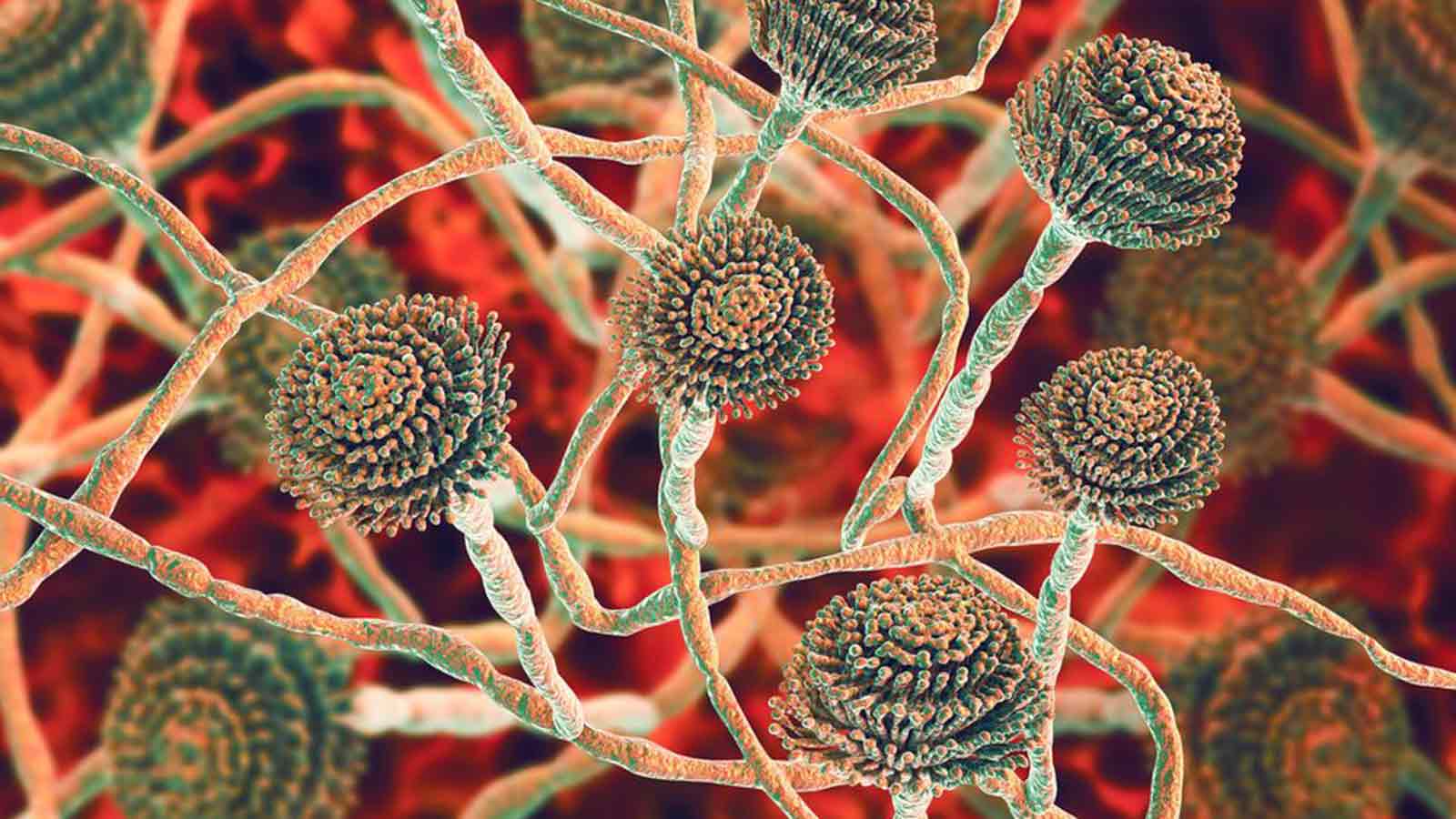
Climate Change Fuels the Spread of Deadly Fungus in Europe
A new study has raised alarms about the potential spread of a deadly fungus, Aspergillus, across Europe as global temperatures rise. This fungus, which thrives in warm and humid environments, poses serious health risks, particularly to vulnerable populations. Researchers warn that millions of people could be exposed to this pathogen by the end of the century if climate change continues unchecked.
What Is Aspergillus and Why Is It Dangerous?
Aspergillus is a genus of fungi commonly found in soil, air, and organic matter. While most species are harmless, certain types, such as Aspergillus fumigatus and Aspergillus flavus, can cause severe infections in humans. These infections, known as aspergillosis, primarily affect the lungs but can spread to other organs, including the brain. Vulnerable individuals, such as those with weakened immune systems, asthma, or cystic fibrosis, are at higher risk of contracting these infections.
According to the study, invasive aspergillosis currently causes 1.8 million deaths annually worldwide. The fungus thrives at the human body’s internal temperature of 37°C, making it particularly suited to infect humans. It spreads through microscopic spores that are inhaled from the air, often going unnoticed until symptoms appear.
How Climate Change Is Accelerating the Spread
The study, led by researchers at Manchester University and funded by the Wellcome Trust, highlights how rising global temperatures are creating favorable conditions for Aspergillus to spread. The researchers used climate models to predict the fungus’s future distribution under various global warming scenarios. Even in an optimistic scenario of 2°C warming, the fungus is expected to expand its range into northern Europe, including the UK and Scandinavia, while retreating from some southern regions where temperatures may become too extreme.
By 2100, Aspergillus fumigatus could spread across 77% more territory, potentially exposing up to nine million additional people in Europe. Similarly, Aspergillus flavus, which affects crops and poses food security risks, could expand into regions like northern China, Russia, and Alaska.
Impact on Human Health and Food Security
The spread of Aspergillus has dual implications: it threatens human health and disrupts food systems. Aspergillus flavus, for example, produces aflatoxins, which contaminate crops like maize, peanuts, and spices. These toxins are harmful to both humans and animals, leading to significant economic losses and food shortages.
Infections caused by Aspergillus are notoriously difficult to treat. Few antifungal medications are available, and the fungus is increasingly resistant to existing treatments. Misdiagnosis is also common, particularly in regions where these infections are not yet prevalent. Professor Dann Mitchell from Bristol University emphasized the need for healthcare systems to adapt to these emerging threats.
Research Gaps and the Need for Action
Despite the growing threat, fungal pathogens remain one of the least studied areas in microbiology. Only a small fraction of the estimated 1.5 to 3.8 million fungal species have been studied in detail, and even fewer have had their genomes sequenced. This lack of knowledge hampers efforts to develop effective treatments and preventive measures.
Viv Goosens, a research manager at the Wellcome Trust, stressed the importance of filling these research gaps. “Fungal pathogens pose a serious threat to human health by causing infections and disrupting food systems. Climate change will make these risks worse,” she said.
Preparing for the Future
Experts are calling for increased investment in fungal research and the development of new antifungal drugs. Addressing the economic barriers that discourage pharmaceutical companies from investing in this area is crucial. Additionally, public health systems must be equipped to recognize and respond to fungal infections as they emerge in new regions.
Climate change mitigation efforts, such as reducing fossil fuel use, could also help limit the spread of Aspergillus and other fungal pathogens. By curbing global warming, we can reduce the environmental changes that allow these organisms to thrive.
Source: Sky News, Financial Times, Wellcome Trust, Centers for Disease Control and Prevention