
Quick Read
- Kirsty Coventry officially closed the Olympic Winter Games Milano Cortina 2026, her first as IOC President.
- During a press conference, Coventry was caught off guard by questions regarding Germany’s 2036 Olympic bid and Russian doping allegations.
- She publicly threatened to dismiss members of her communications team, including chief Mark Adams, for failing to brief her.
- Ukrainian skeleton athlete Vladyslav Heraskevych was banned for wearing a helmet honoring war victims, sparking an emotional response from Coventry.
- Coventry praised the Milano Cortina Games as having established ‘a new standard for the future’.
MILAN (Azat TV) – International Olympic Committee (IOC) President Kirsty Coventry officially declared the Olympic Winter Games Milano Cortina 2026 closed on Sunday, praising the event as a new standard for the future. However, her inaugural Winter Games leadership was marked by significant challenges, including a tumultuous press conference where she was blindsided by critical questions and publicly chastised her staff, along with a high-profile athlete ban that sparked emotional debate.
Coventry, who made history last year as the first woman and first African elected to lead the IOC, presided over the closing ceremony, commending organizers for delivering “a new kind of Winter Games.” Her tenure at the helm of the Olympic movement is under close scrutiny as she navigates complex geopolitical issues, ethical concerns, and the future direction of global sports governance.
IOC President Kirsty Coventry Closes Milano Cortina 2026 Games
At the closing ceremony for the Olympic Winter Games Milano Cortina 2026, Kirsty Coventry lauded the event for setting “a new standard for the future.” Her remarks highlighted the successful conclusion of the Games, emphasizing the efforts of the organizers. This closing marked a significant milestone for Coventry, representing her first Winter Olympics as the IOC President since her election last year, where she notably triumphed over Lord Sebastian Coe to secure the top position.
Press Conference Turmoil: Germany 2036 and Doping Allegations
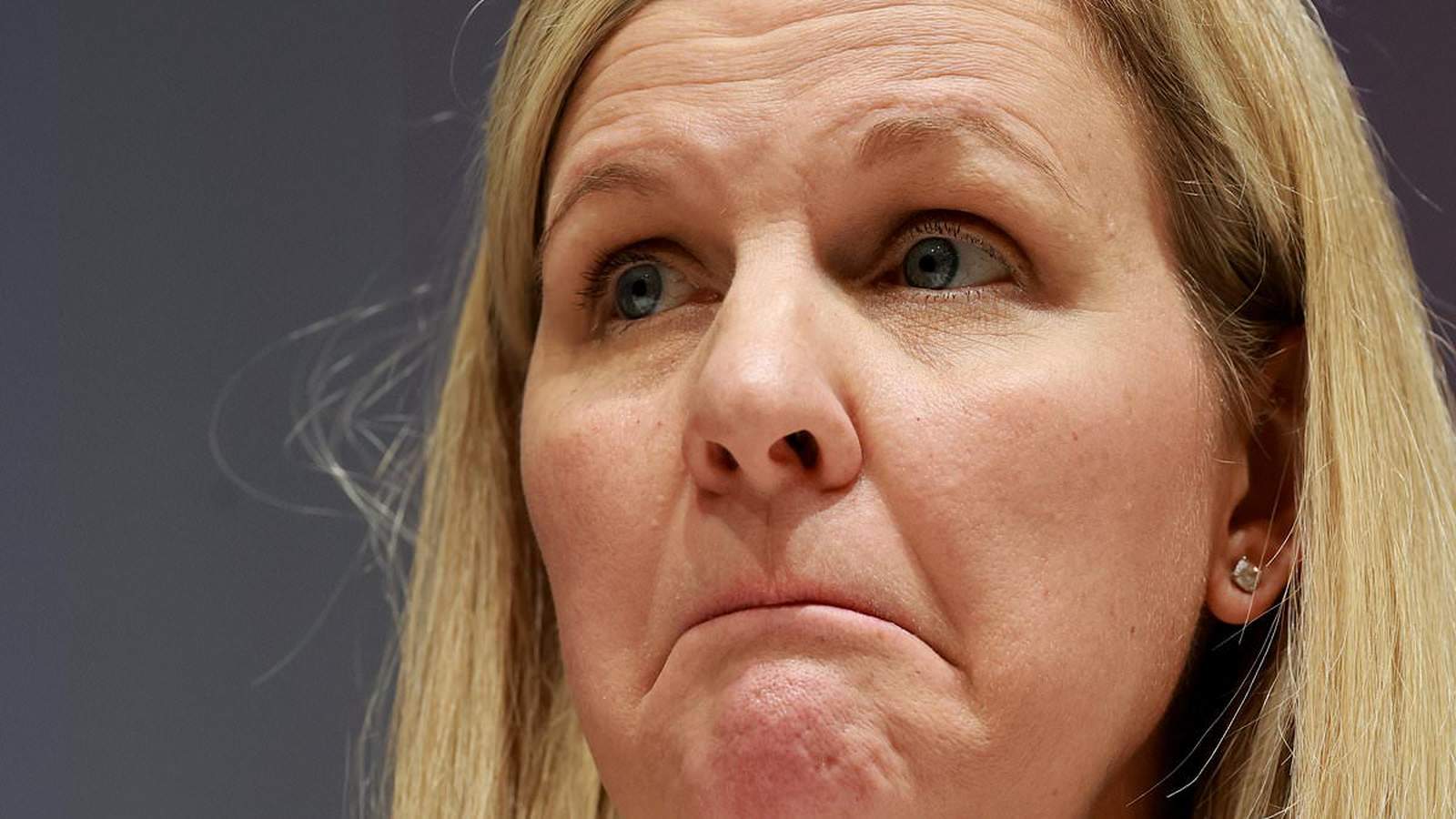
Despite the celebratory atmosphere surrounding the Games’ conclusion, Coventry faced an ‘extraordinary’ press conference on Friday that was intended to celebrate the event’s achievements but instead saw her repeatedly caught off guard by journalists’ questions. According to *GB News* and the *Daily Mail*, she was pressed on several major developments she claimed to know nothing about, leading to public frustration and threats of staff dismissal.
Journalists first questioned her about Germany’s potential bid to host the 2036 Summer Olympics, which would coincide with the 100th anniversary of the Nazi Games in Berlin. German President Frank-Walter Steinmeier had released a statement deeming such a bid ‘historically problematic.’ Coventry responded, ‘Frankly, and I’m looking at my team because I was not aware that Germany had made any comments in and around 2036. So I don’t really have an opinion on it.’
Further inquiries arose regarding a whistleblower’s allegations to the World Anti-Doping Agency (WADA), implicating the Russian Anti-Doping Agency chair in systematic doping at the Sochi Winter Olympics. A visibly frustrated Coventry replied, ‘Ok, I’m really looking at my team and maybe someone needs to be dismissed because I’m not aware of that either. But I would be very interested to find out more about it.’ She also faced questions about FIFA President Gianni Infantino’s appearance at Donald Trump’s ‘Board of Peace’ wearing a ‘USA’ cap, to which she stated, ‘The Olympic Charter is very clear on what it expects of its members.’
Her public rebuke of her communications team, including long-standing chief Mark Adams, who earns over £420,000 annually, drew criticism from observers who suggested such matters should be handled privately.
Athlete Ban Sparks Emotional Debate at Winter Olympics
Adding to the challenges during the Games, Ukrainian skeleton athlete Vladyslav Heraskevych was banned from competing after refusing to replace a helmet that honored Ukrainian athletes killed in Russia’s war. The incident, reported by *AOL*, saw IOC President Coventry waiting for Heraskevych at the top of the track before his scheduled race. Despite Heraskevych’s assertion that the helmet did not violate any IOC rules, the committee maintained its stance against political messaging on the field of play.
Coventry spoke with reporters after the meeting with tears, stating, ‘The challenge was to find a solution for the field of play. Sadly we’ve not been able to find that solution. I really wanted to see him race. It’s been an emotional morning.’ Heraskevych, a legitimate medal hopeful, expressed ’emptiness’ and called the situation ‘hypocrisy,’ vowing to appeal the decision to the Court of Arbitration for Sport.
Leadership Under Scrutiny: The Road Ahead for the IOC
The events surrounding the Milano Cortina 2026 Games highlight the intense pressures on Kirsty Coventry’s leadership as IOC President. From navigating historical sensitivities around potential host bids to managing allegations of doping and upholding rules on political neutrality amid ongoing global conflicts, her decisions and public conduct are under constant scrutiny. The controversies underscore the complexity of balancing the Olympic movement’s core values with contemporary political and ethical realities.
The challenges faced by Kirsty Coventry during her first Winter Olympics as IOC President, particularly the public nature of her frustrations and the handling of sensitive political issues, indicate a critical period for the IOC in defining its stance on global affairs and internal accountability.