
Quick Read
- The animated film ‘K-Pop Demon Hunters’ features a groundbreaking original soundtrack.
- Leading K-pop artists collaborated to craft the movie’s distinct sound.
- The film intertwines action-packed animation with a fresh musical narrative.
- Release buzz highlights its blend of Korean pop culture and cinematic ambition.
- Producers emphasize the global appeal of K-pop in redefining animated storytelling.
The first beats hit you like a tidal wave—syncopated rhythms, electronic pulses, and an unmistakable K-pop swagger. ‘K-Pop Demon Hunters,’ the upcoming animated film, is not just about the high-energy battle sequences or its neon-drenched visuals. It’s a sonic revolution, powered by an original soundtrack crafted by some of the biggest names in the K-pop industry.
Where Animation Meets K-Pop
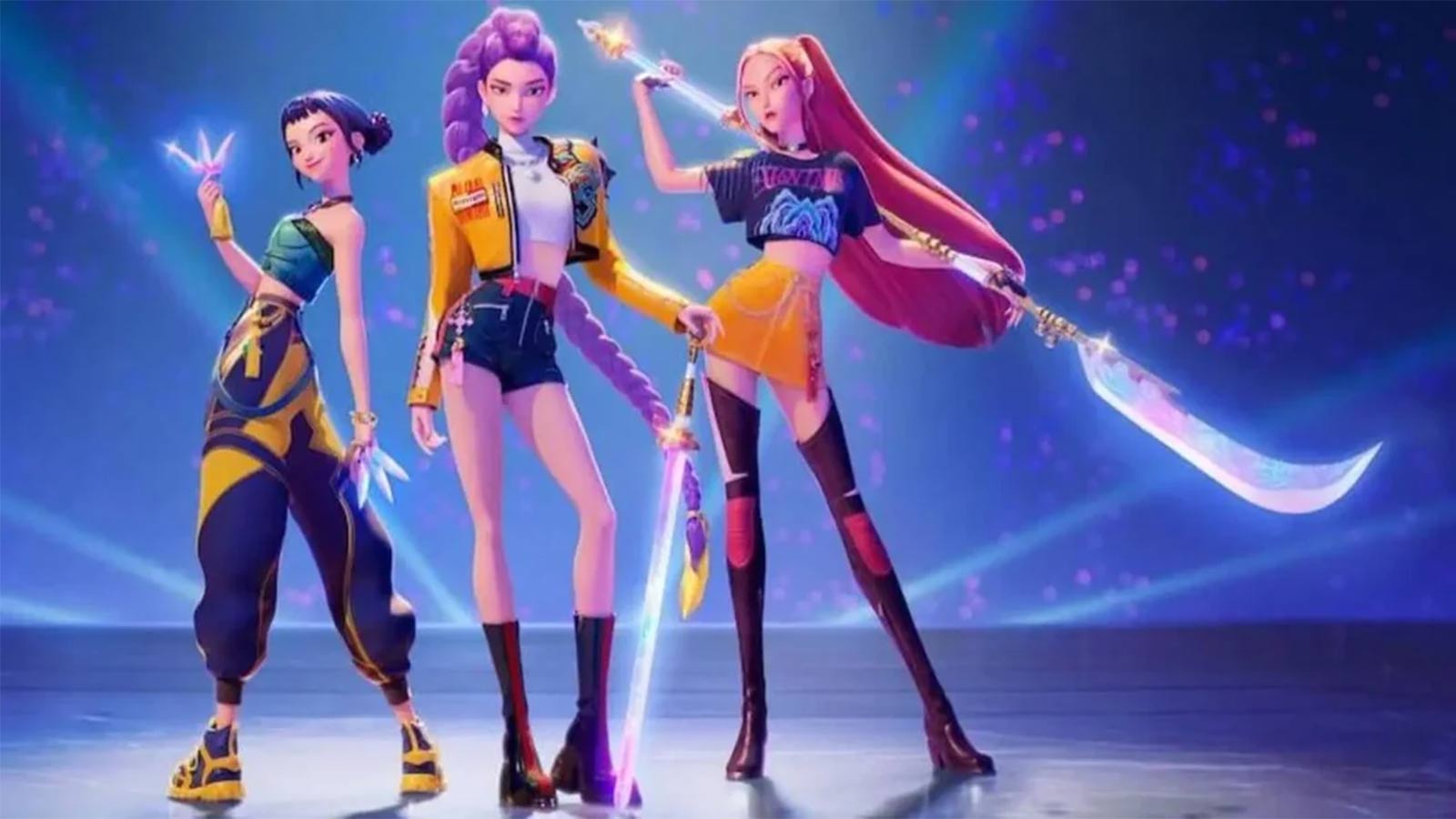
Imagine a world where sleek animation and heart-thumping pop collide. That’s the essence of ‘K-Pop Demon Hunters.’ Produced by Videogameheaven, the film weaves the cultural vibrancy of Korean pop music into its narrative, creating a sensory overload that promises to resonate far beyond its core audience. It’s a story of two worlds—demon-slaying warriors by day, chart-topping idols by night—balancing supernatural chaos with the pressures of the entertainment industry.
The soundtrack, described as “electrifying” by insiders, isn’t just a backdrop; it’s integral to the storytelling. K-pop stars lent their voices and creative energy to craft songs that pulse with urgency, mirroring the characters’ dual lives. As noted by Namastehallyu, the project’s bold ambition underscores the increasing global reach of K-pop and its adaptability across media.
Global Artists, Local Essence
The project brought together a roster of K-pop heavyweights, each contributing unique sonic textures to the soundtrack. Fans will recognize familiar voices, but the music also dares to experiment, blending genres like synthwave and hip-hop with traditional Korean melodies. This fusion reflects the film’s theme: the coexistence of old and new, tradition and modernity.
Director Kim Soo-jin, in a recent interview with Videogameheaven, shared that the production team intentionally sought out artists who could capture the film’s duality. “We wanted music that was both universal and uniquely Korean,” she said. “K-pop, with its global influence and deep cultural roots, was the perfect medium.”
The Cultural Weight of K-Pop
The film’s release comes at a time when K-pop’s global footprint is larger than ever. Groups like BTS and BLACKPINK have not only dominated charts but also influenced fashion, language, and now, cinema. ‘K-Pop Demon Hunters’ taps into this phenomenon, pushing the genre into yet another frontier.
What makes the project particularly intriguing is its self-awareness. The story doesn’t shy away from the contradictions of idol culture—its glamor and grind, its spectacle and sacrifice. Through its characters and music, the film offers a layered commentary on fame and identity, making it as introspective as it is entertaining.
A Soundtrack with Staying Power
Advance screenings have already generated buzz, with critics praising the music as a standout feature. According to Namastehallyu, the songs aren’t merely promotional tools; they’re chart-ready hits designed to live on playlists long after the credits roll. In a sense, the soundtrack extends the film’s life, bridging audiences who may never watch the movie but will feel its pulse through the music.
It’s a shrewd strategy, one that underscores the evolving relationship between cinema and music in the streaming era. ‘K-Pop Demon Hunters’ isn’t just a film; it’s an ecosystem—a convergence of art forms designed to capture and sustain attention across platforms.
Somewhere between the flicker of neon lights and the thunder of bass drops, ‘K-Pop Demon Hunters’ dares to reimagine what an animated soundtrack can be. The question isn’t whether it will succeed—it’s how far its echoes will travel.