
Quick Read
- The Angels have hired Kurt Suzuki, a former MLB catcher and World Series champion, as their new manager.
- Suzuki has no prior professional coaching or managerial experience.
- He replaces Ron Washington, who left mid-season due to health issues.
- Suzuki inherits a team with strong hitters but ongoing pitching problems.
- The Angels have posted ten consecutive losing seasons and seek stability.
Angels Choose Kurt Suzuki: A New Direction for a Storied Franchise
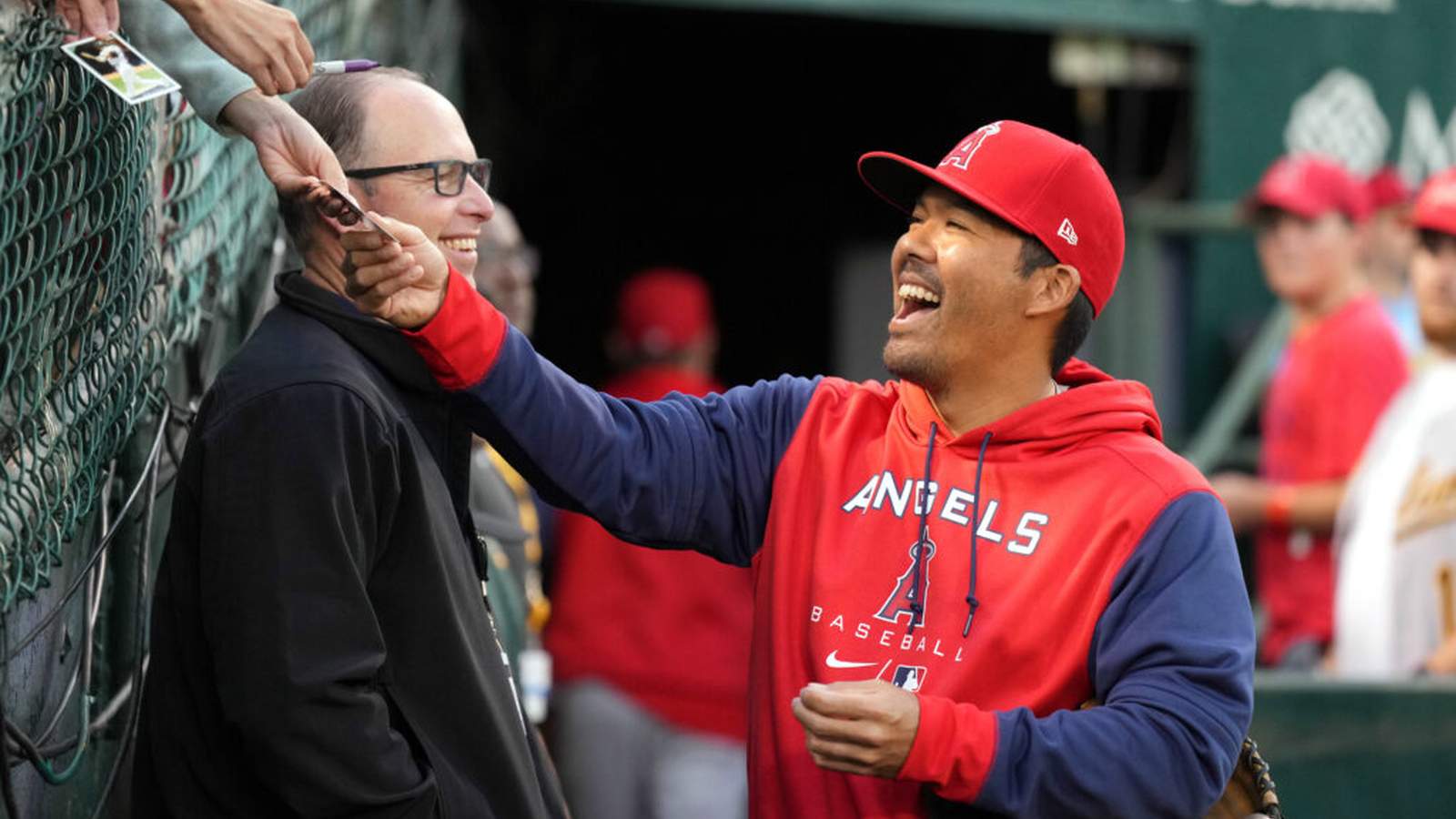
The Los Angeles Angels have officially named Kurt Suzuki as their new manager, marking a pivotal moment for a franchise desperate for change. The decision, confirmed by multiple sources including ESPN, CBS Sports, and MLB Trade Rumors, signals a break from tradition and a bold leap into the unknown. Suzuki, a former big-league catcher and World Series champion, steps into the role with no prior professional coaching or managerial experience—a trend that is quietly reshaping the face of Major League Baseball.
Why Suzuki? The Search, the Decision, and the Stakes
After months of speculation and a string of interviews, the Angels landed on Suzuki, who had spent the past three years as a special assistant to general manager Perry Minasian. The managerial search was a whirlwind, with former Angels legends Albert Pujols and Torii Hunter both in serious contention. Pujols, considered the early favorite, ultimately failed to reach an agreement with the team over contract details and staff support. Hunter, too, dropped out of the race. Names with actual managerial experience, like Rocco Baldelli and Brandon Hyde, were floated but never materialized into serious candidacies. In the end, Suzuki’s familiarity with the organization and his reputation for leadership tipped the scales.
At 42, Suzuki becomes the Angels’ seventh manager in nine years—a statistic that starkly illustrates the franchise’s recent instability. Since the departure of Mike Scioscia in 2018, the Angels have cycled through Brad Ausmus, Joe Maddon, Phil Nevin (interim), Ron Washington, and Ray Montgomery (interim). This revolving door reflects deeper problems: the Angels have not posted a winning record in a decade and have only made the playoffs once in the last sixteen seasons.
The Challenges Awaiting Suzuki
Suzuki inherits an Angels team brimming with offensive talent but plagued by pitching woes. The roster features shortstop Zach Neto, whose all-around skills make him a cornerstone, and outfielders Jo Adell and Taylor Ward, who together smashed 73 home runs in 2025. Mike Trout, still the face of the franchise, remains under contract through 2030. Promising young players like Logan O’Hoppe, Nolan Schanuel, and Christian Moore round out a core that offers hope for the future.
Yet, the pitching staff is in disarray. Beyond Yusei Kikuchi and Jose Soriano, the rotation is unsettled, and the bullpen is a patchwork of question marks. The Angels’ 2025 campaign ended with a 72-90 record, their tenth straight losing season, and highlighted the urgent need for a change in approach. The division is unforgiving, with the Seattle Mariners nearly clinching a World Series spot and other rivals building momentum.
Ownership, Instability, and the Weight of Expectations
Arte Moreno’s ownership tenure has been a lightning rod for criticism. Fans and analysts alike point to his frequent interference in baseball operations and lack of investment in player development as key factors behind the Angels’ struggles. Decisions such as not trading Shohei Ohtani before free agency and failing to match his subsequent contract offer with the Dodgers have only intensified scrutiny.
Perry Minasian, the current GM, is contracted through 2026 but is already the fifth general manager to serve under Moreno’s watch. Suzuki, having spent the last three years in the Angels’ front office and two years as a player, brings an insider’s perspective to the challenges ahead. His ties to Anaheim go back to his college days at Cal State Fullerton and his original draft selection by the Athletics in 2004.
The Trend: Managers Without Dugout Experience
Suzuki’s hiring fits a broader pattern sweeping across MLB. Teams are increasingly willing to gamble on recently retired players with little or no coaching or managerial background. The Guardians made headlines by appointing Stephen Vogt just a year after his retirement, and now the Angels join the ranks of organizations willing to embrace the unknown. It’s a strategy that bets on fresh perspectives, player empathy, and the hope that new voices can break old patterns.
What Does the Future Hold?
Suzuki’s track record as a player is impressive: 16 seasons, 1,421 hits, 143 home runs, an All-Star appearance in 2014, and a World Series ring with the Nationals in 2019. He was praised for his work with pitching staffs and for his leadership in the clubhouse. However, translating those qualities into managerial success is no guarantee. The pressure is immense—not only to end the longest playoff drought in the majors but also to restore faith among a weary fanbase.
As Suzuki steps into the manager’s office, seven other MLB teams remain in search of new skippers for 2026: the Giants, Padres, Orioles, Braves, Twins, Nationals, and Rockies. The Angels, meanwhile, are hoping that their choice will finally bring stability and results to a franchise hungry for relevance.
Change is never simple, and the road ahead for Suzuki and the Angels will be fraught with challenges. Yet, in a sport that thrives on reinvention and the constant pursuit of the next great chapter, sometimes the boldest moves are the ones that matter most.
The Angels’ decision to entrust Kurt Suzuki—a respected former player but a managerial rookie—with the team’s future is both a risk and an opportunity. It reflects a growing willingness in baseball to seek solutions outside the traditional mold. Whether Suzuki can break the cycle of disappointment remains to be seen, but for a franchise in need of a reset, his appointment marks the beginning of a new, unpredictable era.