
Quick Read
- The Lampasas River in Central Texas surged to 32 feet on July 13, 2025, prompting evacuations.
- Emergency teams, including Texas Game Wardens, conducted swift water rescues.
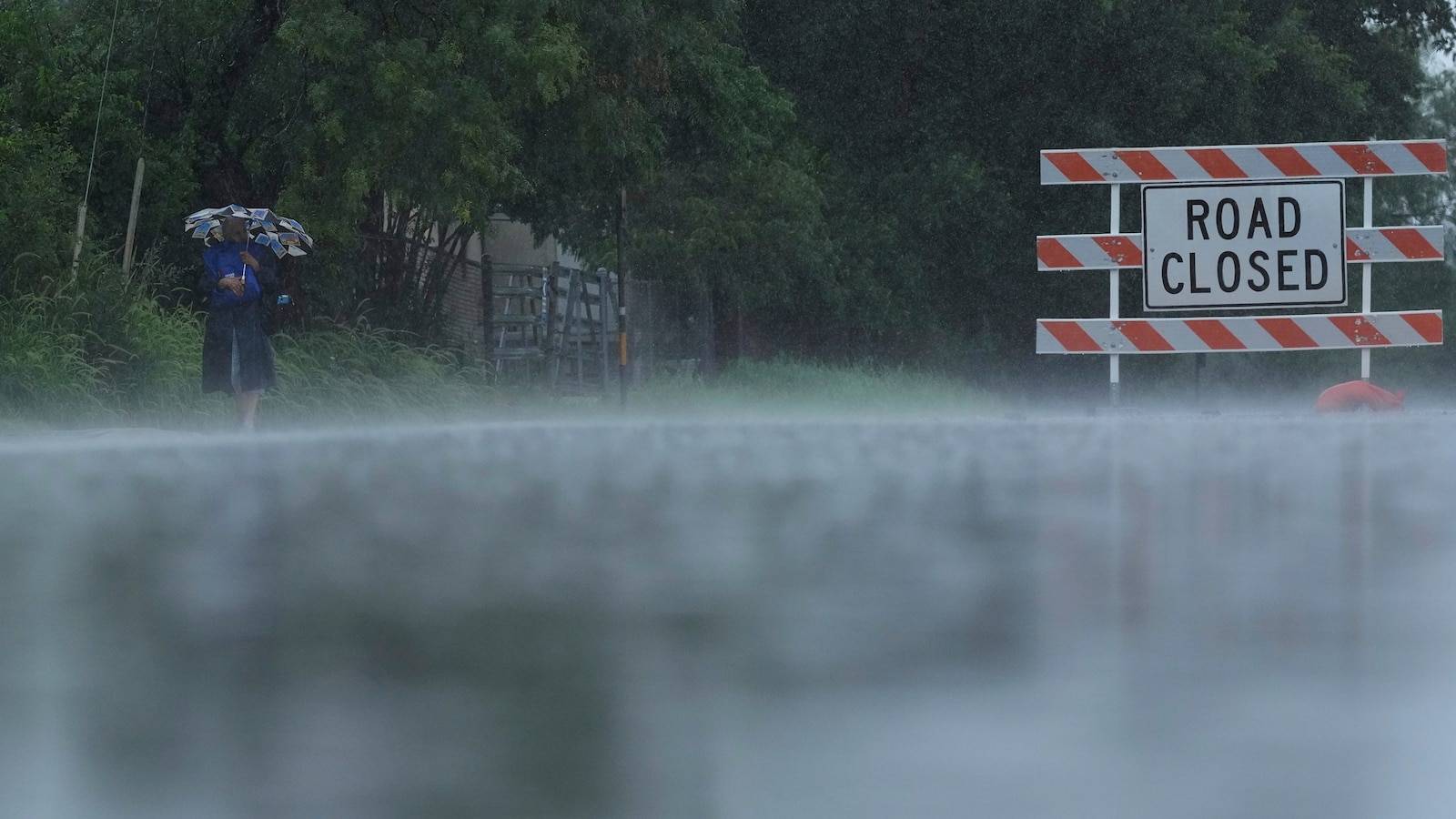
- Flash flood warnings were issued for multiple counties, causing road closures and park shutdowns.
- This flood follows another deadly event in Central Texas just ten days prior.
On July 13, 2025, Central Texas faced unprecedented flooding as the Lampasas River surged to dangerous levels, cresting at 32 feet near Kempner. Heavy rains that began overnight triggered flash flood warnings across the region, prompting widespread evacuations and emergency responses. The National Weather Service (NWS) described the flooding as ‘life-threatening,’ with rainfall rates reaching up to two inches per hour in some areas.
Rapid River Rises and Immediate Evacuations
According to ABC News, the Lampasas River experienced a dramatic rise of over 22 feet within just two hours early Sunday morning. The surge forced the evacuation of several RV parks, including the Rocky River RV Resort in Kempner. While some cabins remained safe due to their elevated location, others were nearly overtaken by the swelling river. Local responders, including TxDOT, Texas Game Wardens, and the Kempner Fire Department, were on the scene with boats and barricades to assist residents and ensure safety.
Governor Greg Abbott activated Texas Task Force One and Texas Parks & Wildlife teams to conduct swift water rescues. In a statement, Abbott emphasized the state’s focus on saving lives, with resources deployed to multiple affected counties, including Lampasas, Burnet, and San Saba.
Widespread Impact Across Central Texas
The flooding was not limited to the Lampasas River. Nearby rivers, such as the Llano River, also rose dramatically, with water levels increasing by 14 feet in just two hours. As reported by KXAN, flash flood warnings were issued for multiple counties, including Kerr, Gillespie, and Burnet. Roads across the region were closed, and residents were urged to avoid driving through flooded areas. The Lower Colorado River Authority opened floodgates at multiple dams to manage the influx of stormwater, further highlighting the severity of the situation.
In addition to river flooding, localized flash floods caused significant disruptions. The Colorado Bend State Park, a popular recreational area, was closed due to impassable conditions. Emergency management teams in Williamson County reported water over roadways, advising residents to ‘turn around, don’t drown.’
Community and Emergency Responses
Local communities demonstrated resilience and cooperation during the crisis. Chris Gary, a resident of Llano, told KXAN that neighbors worked together to stay informed and ensure safety. Emergency responders coordinated with local authorities to provide timely updates and deploy resources where needed most. Travis County Emergency Services District 1 activated its Emergency Operations Center and prepared all equipment for rapid response, showcasing the region’s readiness to handle such disasters.
The National Weather Service continued to monitor water levels closely, particularly at critical gauges near Kempner and Briggs. By late morning, the Lampasas River had begun to slow its rise but was still expected to crest at 32 feet, a level that posed a significant threat to nearby properties and infrastructure.
Historical Context and Long-Term Implications
This flooding event comes less than ten days after another deadly flash flood swept through parts of Central Texas, underscoring the region’s vulnerability to extreme weather. As climate change contributes to more frequent and intense storms, local governments and residents face increasing challenges in disaster preparedness and response. The Lampasas River flooding serves as a stark reminder of the importance of early warning systems, community collaboration, and robust infrastructure to mitigate the impact of such events.
The recovery process will be long, but the resilience of Central Texas communities offers hope in the face of adversity. As emergency crews continue their work and water levels recede, the focus will shift to rebuilding and learning from this devastating event.