
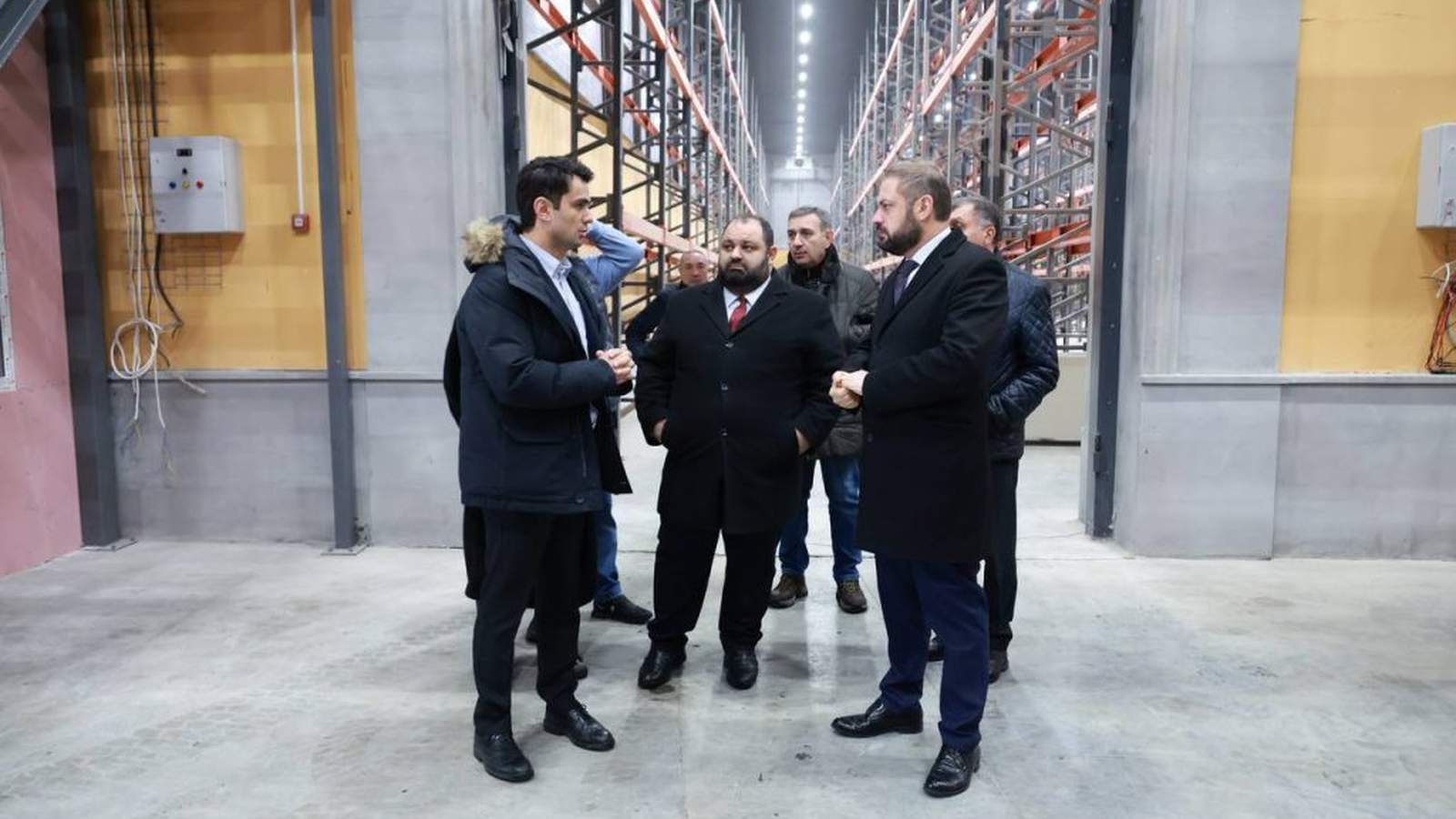
- The region’s largest chocolate manufacturing plant is being constructed in Armenia and is planned to be fully operational within three years.
- Daily production capacity will reach up to 200 tons, with as many as 2,000 jobs created.
- Approximately €120 million has already been invested, with a further €25 million planned in the near term.
- Vellar Group plans to produce a wide range of confectionery, including chocolate and caramel confections, protein and fruit bars, and chocolate-coated pancakes and waffles on a 25-hectare site.
The Armenian government is announcing a landmark project that could reshape the country’s manufacturing landscape and potentially alter trade dynamics in the wider region. In a move described by officials as a major milestone for industrial diversification, a multinational-backed venture is moving from planning to construction on a site spanning approximately 25 hectares. When completed, the factory is expected to become the region’s largest chocolate production facility, signaling Armenia’s ambition to attract large-scale, modern food processing operations that promise to create thousands of high-quality jobs and inject hundreds of millions of euros into the economy over the coming years.
Key details released by the project’s leadership and policymakers indicate ambitious production targets: the plant is designed to operate at a daily capacity of up to 200 tons and to employ as many as 2,000 people. This scale places it at the top end of food manufacturing facilities in the South Caucasus and parts of Europe, positioning Armenia as a more competitive hub for confectionery production. The investment package cited by officials stands at roughly €120 million already sunk into the project, with an additional €25 million anticipated in the near future to complete critical phases of development, including advanced processing lines, packaging, quality control infrastructure, and distribution capabilities. The project’s champion is the Wellar Group, a firm described as driving the development and governance of the site as it progresses toward full operation over a three-year horizon.
Among the product lines announced for the factory are a broad mix of confectionery offerings: chocolate and caramel confections, protein and fruit bars, as well as chocolate-coated baked products such as pancakes and waffles. The breadth of lines underlines an intent to service both consumer markets and potential institutional or gifting channels that require diverse, shelf-stable, and value-added products. The 25-hectare location has been described as a purpose-built environment containing state-of-the-art machinery, automation, and logistics infrastructure designed to minimize waste, maximize efficiency, and ensure consistent quality from raw material intake to finished goods ready for export or domestic distribution. The project’s push toward modernization reflects broader trends in Armenia’s manufacturing sector, where multinational investments are increasingly tied to technology transfer, training programs, and improved supply-chain resilience.
A central element of the narrative around the project is its potential contribution to employment and skill development. Officials, including a government minister cited in the discussions, note that the factory will introduce thousands of jobs and create opportunities in related sectors—from packaging and logistics to quality assurance and product development. In addition to direct employment, the plant could stimulate local supplier networks and training ecosystems that enhance Armenia’s capacity to attract further investment in food processing and similar advanced manufacturing sectors. The scale of employment, coupled with high-quality manufacturing standards, positions the project as a potential catalyst for regional economic growth, potentially extending benefits to adjacent municipalities through improved infrastructure, increased consumer demand, and greater exposure to international markets.
However, observers and stakeholders are mindful of the challenges and uncertainties that accompany such a transformational initiative. Achieving the promised three-year path to full operation will require coordinated execution across permitting, financing, construction, and recruitment. Regulatory clarity, ongoing access to reliable energy, and stable logistics will be vital for maintaining the projected timelines and output. Additionally, the business case for a regionally dominant confectionery factory will depend on the ability to scale production while maintaining rigorous quality controls, ensuring product safety, and meeting diverse market requirements across Europe, the Middle East, and neighboring markets. In this context, the project’s leaders emphasize governance, transparency, and collaboration with local communities as essential components of long-term success, alongside the anticipated benefits of job creation and export-oriented growth. As of 2026, the operation is framed as a bold test of Armenia’s capacity to host large, modern manufacturing facilities that bring advanced technology and global supply-chain standards to the country’s shores.
This project is a noteworthy milestone in Armenia’s continued push to diversify its economy, attract international investment, and broaden the manufacturing base beyond traditional sectors.