
Quick Read
- Russia and Ukraine initiated their largest prisoner exchange during the war, releasing nearly 800 captives.
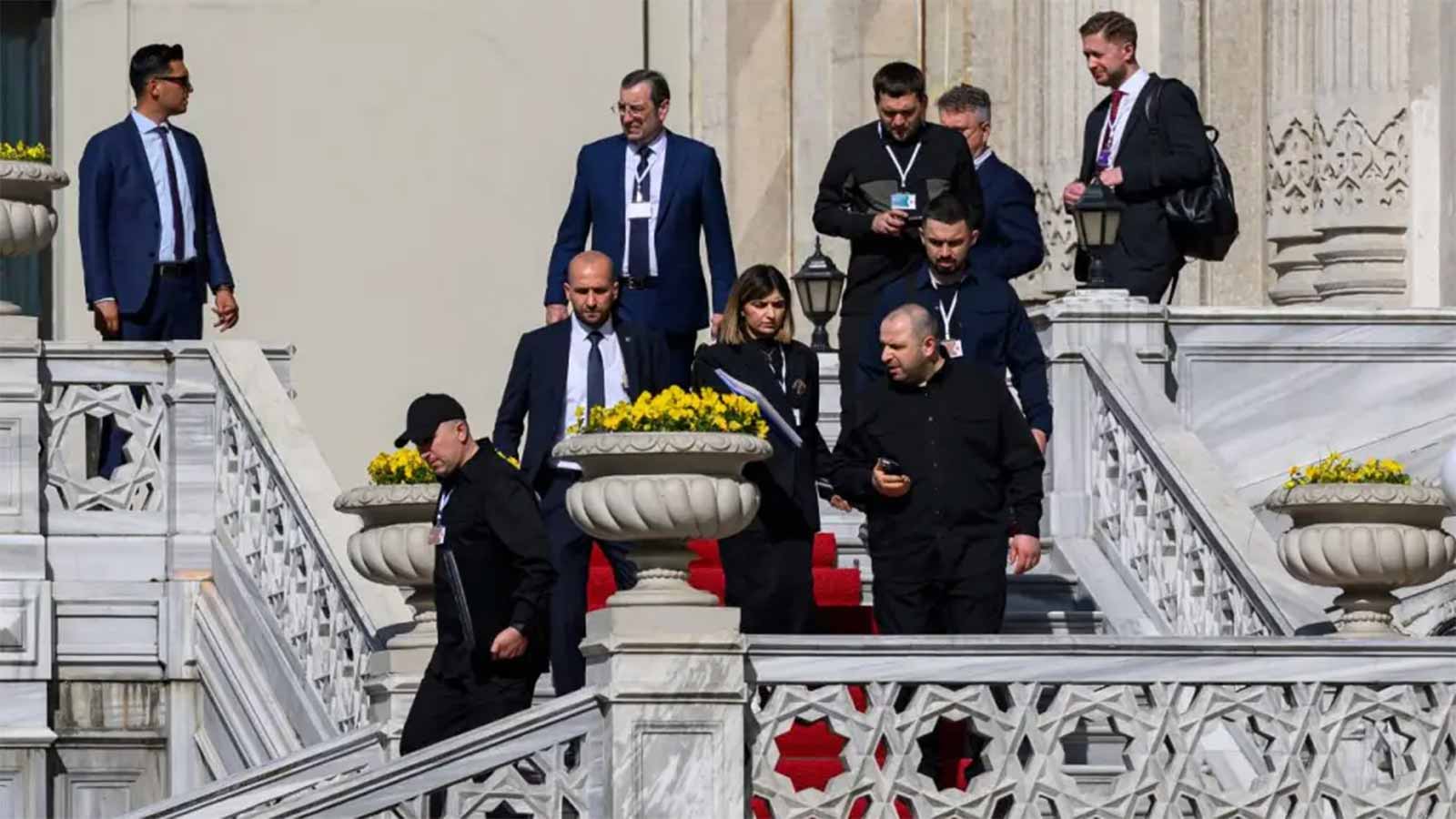
- This exchange follows peace talks in Istanbul, though no significant agreements on ceasefires were reached.
- Ukrainian President Zelenskyy emphasized the importance of diplomatic efforts to secure more POW releases.
- The swap includes both military personnel and civilians, with emotional reunions marking the event.
Amid the grim backdrop of the ongoing Russia-Ukraine war, the two nations have carried out their largest prisoner-of-war (POW) exchange yet, bringing relief to hundreds of families on both sides. The exchange, which began on Friday and is expected to continue over the weekend, has seen nearly 800 captives returned. This significant development comes as hopes for a lasting peace remain distant.
What makes this exchange the largest so far?
Russia and Ukraine agreed to swap 1,000 prisoners each during peace talks held in Istanbul last week. This arrangement includes both military personnel and civilians, marking a notable escalation in the scale of such exchanges. According to Ukrainian President Volodymyr Zelenskyy, the first phase of the swap resulted in 390 Ukrainians being returned, while Russia confirmed receiving 270 military personnel and 120 civilians.
Ukrainian media showcased emotional scenes, including families reunited after years of separation. Espreso TV captured the moment Victoria, the wife of a freed Ukrainian soldier, wrapped herself in her national flag and tearfully celebrated her husband’s return. Such stories underscore the deeply personal stakes involved in these exchanges.
How does this exchange impact peace negotiations?
While the POW exchange demonstrates a rare moment of cooperation, it is far from signaling a broader peace breakthrough. Talks in Istanbul were marked by stark disagreements, with Russia rejecting Ukraine’s proposal for a 30-day unconditional ceasefire. Instead, Moscow reiterated its demands, including Ukraine’s withdrawal from contested regions and limitations on its military activities.
Ukraine’s negotiators, led by Defence Minister Rustem Umerov, emphasized the need for direct talks between Presidents Zelenskyy and Vladimir Putin. However, as of now, no plans for such a meeting have materialized. President Zelenskyy, speaking in Lithuania on Monday, stressed the importance of strengthening Ukraine’s defenses in the absence of meaningful signals from Russia.
Human stories behind the numbers
The prisoner exchange has highlighted the human cost of the conflict. At a medical facility in Ukraine, relatives held photos of missing loved ones, hoping for their return. Svitlana Kuskova, a 49-year-old woman, has spent the past year searching for her husband, Oleksandr, a military driver who went missing in action. Similarly, Olessia Dyadushkin clings to hope for her husband Valentin, despite no confirmation of his status since July 2024.
For many families, the wait for news has been agonizing. “It’s extremely hard to go to sleep every night not knowing what happened to him,” Kuskova shared. The emotional toll on families underscores the urgency of continued diplomatic efforts to secure the release of all captives.
What are the broader implications?
This exchange serves as a “confidence-building measure,” as described by Turkish Foreign Minister Hakan Fidan. However, it also highlights the significant challenges ahead. Russia remains adamant in its demands, including the international recognition of annexed territories like Crimea, which Ukraine and its allies firmly reject.
The swap also shines a light on the plight of civilians caught in the crossfire. Ukraine has accused Russia of forcibly relocating children and civilians from occupied territories, an issue raised during the Istanbul talks. Ukrainian officials have called for the immediate return of these individuals as part of any peace agreement.
Looking ahead: Is peace possible?
Despite the success of the prisoner exchange, the broader prospects for peace remain bleak. Russia’s Foreign Minister Sergei Lavrov recently dismissed the idea of holding future talks in the Vatican, citing religious and political differences. Instead, Lavrov doubled down on claims that Ukraine’s government discriminates against Russian speakers, a justification widely disputed by international observers.
President Zelenskyy, meanwhile, has urged Western allies to maintain pressure on Russia through sanctions and military support. As the war grinds on, the international community faces mounting challenges in mediating a resolution that respects Ukraine’s sovereignty while addressing humanitarian concerns.
While the largest prisoner exchange offers a glimmer of hope, it also underscores the enduring complexities of the Russia-Ukraine conflict. The road to peace remains fraught, but small victories like these remind us of the human capacity for resilience and reconciliation.