
Quick Read
- Lee Tamahori, iconic New Zealand director, passed away at 75, leaving a legacy of cinematic brilliance.
- He is best known for his landmark film ‘Once Were Warriors,’ which spotlighted Māori culture and struggles.
- Tamahori transitioned to Hollywood, directing hits like ‘Die Another Day’ and ‘Along Came A Spider.’
- A fierce advocate for Māori talent, his storytelling brought authenticity to global audiences.
- The NZ Film Commission hailed him as a visionary who shaped New Zealand’s cinematic identity.
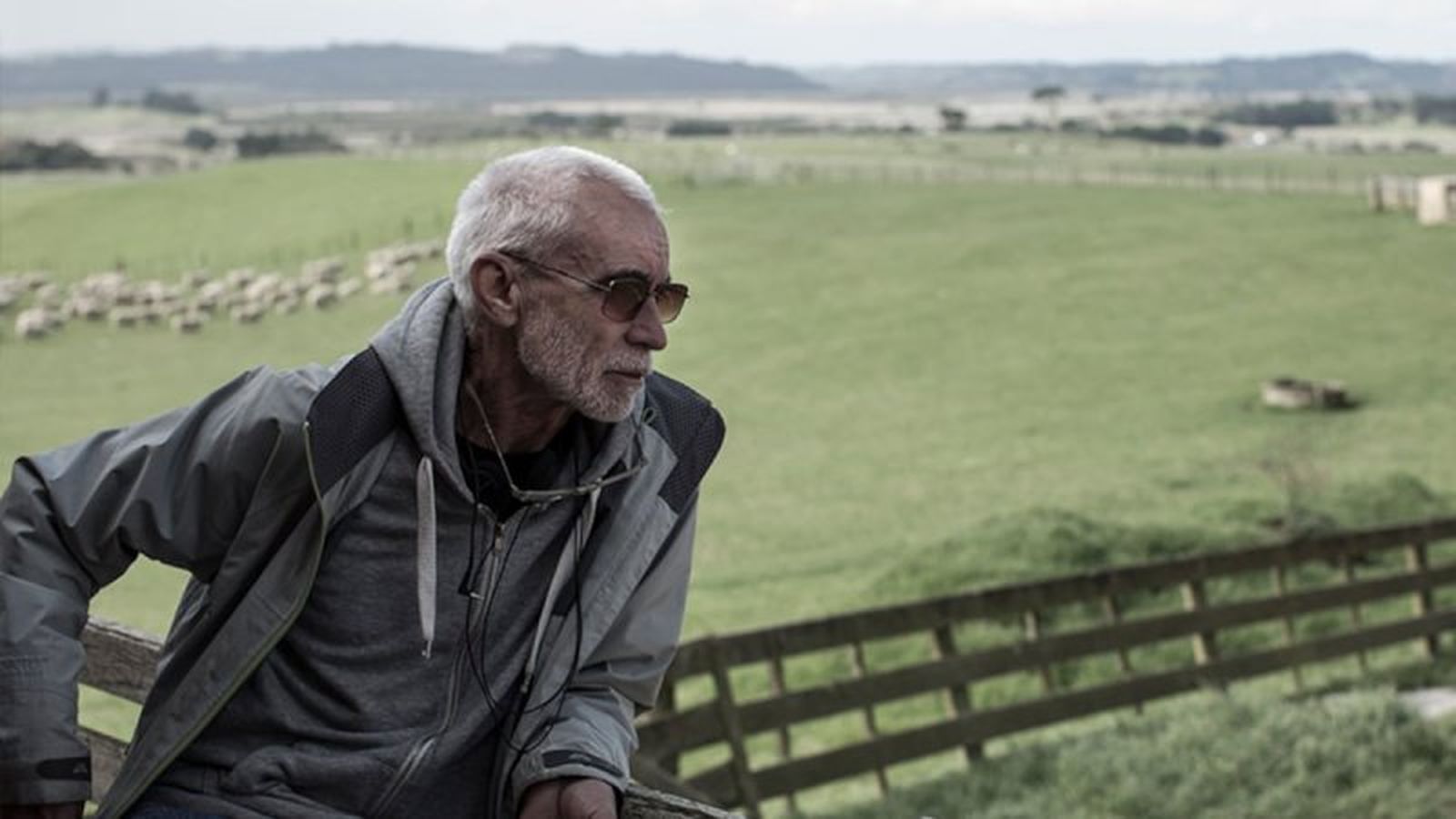
Lee Tamahori, the iconic New Zealand filmmaker, left an indelible mark on the cinematic world through his groundbreaking works and unwavering commitment to Māori representation in film. Known for directing the critically acclaimed ‘Once Were Warriors,’ Tamahori’s contributions to cinema were as bold and uncompromising as his vision for storytelling.
Early Life and Path to Filmmaking
Born in Wellington in 1950, Tamahori’s creative journey began as an artist and photographer. His early career in the film industry saw him working as a boom operator in the late 1970s, gradually advancing to directing award-winning commercials. This period laid the foundation for his feature film debut in 1994 with ‘Once Were Warriors,’ a film that would redefine New Zealand cinema.
‘Once Were Warriors’: A Cultural Milestone
‘Once Were Warriors’ was more than a film; it was a cultural phenomenon. It shed light on the struggles and resilience of Māori families, showcasing their strength and challenges within the framework of New Zealand society. The film’s raw storytelling and dynamic performances, particularly by Rena Owen and Temuera Morrison, earned international acclaim, cementing Tamahori’s reputation as a director with a powerful voice.
International Success and Range
Building on the success of his debut, Tamahori transitioned to Hollywood, where he directed films like ‘Along Came A Spider’ and the James Bond installment ‘Die Another Day.’ These projects demonstrated his versatility, allowing him to explore diverse genres while maintaining his unique directorial style. His ability to balance commercial appeal with artistic integrity made him a respected figure in the global film industry.
Advocacy for Māori Representation
Tamahori was a fierce advocate for Māori talent, championing their presence both on and off screen. His commitment to authentic storytelling brought Māori culture to global audiences, breaking boundaries and inspiring filmmakers worldwide. The NZ Film Commission lauded his work for its power and authenticity, emphasizing his role in shaping New Zealand’s cinematic identity.
Legacy and Impact
Lee Tamahori’s influence extends far beyond his filmography. His passing at the age of 75 marks the end of an era for New Zealand cinema, but his legacy endures through the stories he told and the filmmakers he inspired. As actor Katie Wolfe aptly noted, “A tōtara has fallen,” symbolizing the loss of a towering figure in the industry.
Lee Tamahori’s life and work remind us of the transformative power of storytelling and the importance of cultural representation. His films continue to resonate, proving that authenticity and vision can bridge local narratives with global audiences.