
Quick Read
- Jamie-Lee O’Donnell stars in BBC’s Leonard and Hungry Paul, based on Ronan Hession’s novel.
- The series is narrated by Julia Roberts and explores Irish friendship and culture through subtle comedy.
- O’Donnell plays Shelley, joining Alex Lawther (Leonard) and Laurie Kynaston (Paul) in the cast.
- She hopes for a 10-year Derry Girls reunion, reflecting on the impact of the show and her career.
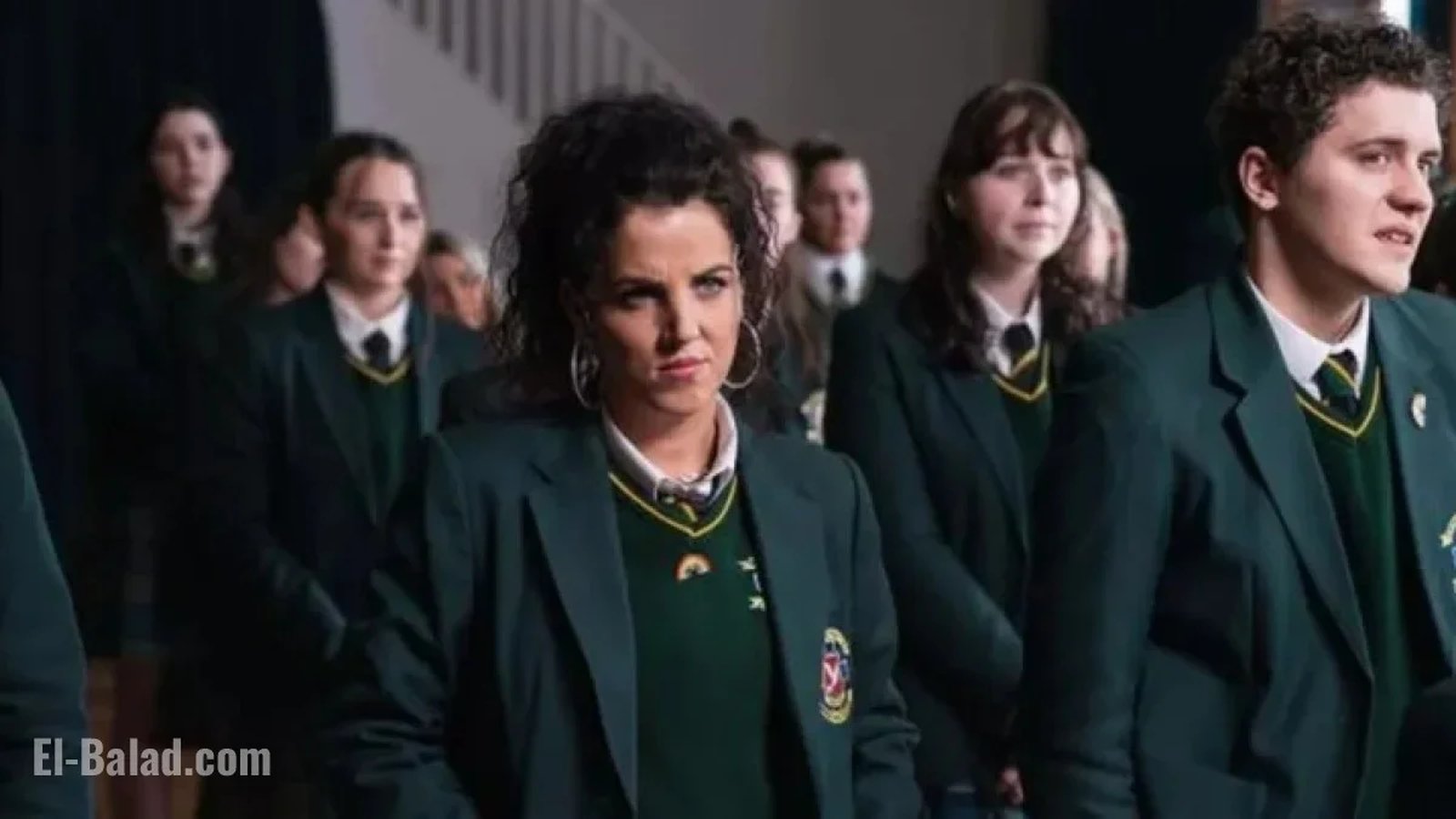
From Michelle Mallon to Shelley: Jamie-Lee O’Donnell’s Evolution
Three years have passed since the curtain fell on Derry Girls, the irreverent sitcom that captured the heart and humor of a generation. For Jamie-Lee O’Donnell, who embodied the unforgettable Michelle Mallon, the end of the show marked not just a professional milestone, but a personal crossroads. After years in the spotlight, she found herself craving silence—a chance to step away, reflect, and recalibrate. “I had a couple of years of just laying low in Ireland,” she confided, speaking candidly about entering therapy and prioritizing her mental health.
But for O’Donnell, the story didn’t end in Derry. Instead, it pivoted—towards a new role, a new set, and a narrative that’s quietly rewriting what Irish comedy can be.
Leonard and Hungry Paul: An Unlikely Adventure
Now, O’Donnell is back, starring in the BBC’s adaptation of Leonard and Hungry Paul, the acclaimed novel by Ronan Hession. The series, narrated by Julia Roberts, doesn’t chase high drama or loud punchlines. Instead, it sits with the small things: board games, gentle jokes, and the everyday challenges that thirty-somethings face as they navigate friendship and adulthood. O’Donnell plays Shelley, joining Alex Lawther’s Leonard and Laurie Kynaston’s Paul in a world that feels both familiar and refreshingly unique.
What sets this show apart? According to O’Donnell, it’s the script’s “cozy and charming” sensibility. In a landscape where comedy often feels frenetic, Leonard and Hungry Paul finds strength in subtlety. “It’s rare to see Irish culture depicted this way—without stereotypes, with real tenderness,” she said. The series avoids caricature, instead leaning into the nuances of relationships: the awkward silences, the quiet acts of kindness, the laughter that doesn’t demand attention.
Irish Culture, Reimagined for Television
For O’Donnell, the show is more than just another gig. It’s a chance to showcase the softer side of Irish identity—one that’s often overshadowed by louder narratives. “Michelle gave me my platform for this level of my career, as did creator Lisa McGee,” she reflected, acknowledging how Derry Girls shaped her trajectory. But now, in Leonard and Hungry Paul, O’Donnell finds herself exploring new emotional terrain. The series invites viewers to slow down and notice the everyday beauty in friendship and community.
This subtle approach is, in many ways, a direct response to the frenetic energy of her previous roles. Where Michelle was brash and bold, Shelley is thoughtful, observant, and quietly funny. The contrast isn’t lost on O’Donnell—or on audiences who have followed her journey from Derry’s school corridors to the gentle rhythms of her latest work.
The Value of Quiet Moments: Friendship and Board Games
At the heart of Leonard and Hungry Paul lies an ordinary magic: two friends, a handful of board games, and the quiet assurance that life doesn’t need to be extraordinary to be meaningful. O’Donnell praises the show’s willingness to linger in these moments, resisting the urge to manufacture drama for its own sake. “There’s real power in seeing people just be themselves—no pretenses, no spectacle,” she noted.
This ethos extends beyond the script. The cast, including Alex Lawther and Laurie Kynaston, bring their own understated energy to the project. Their chemistry, built on mutual respect and shared humor, translates seamlessly to the screen. For viewers, it’s an invitation: to step back from the noise, to find comfort in simplicity, and to rediscover the joy of genuine connection.
Looking Back—and Forward: Hopes for a Reunion
Despite her newfound focus, O’Donnell’s affection for Derry Girls remains undiminished. She speaks warmly of her co-stars and the impact the show had on her life. “I’ve lost touch with most of the cast,” she admitted, but the bonds forged during filming continue to shape her perspective. In a playful moment, she floated the idea of a ten-year reunion—imagining creator Lisa McGee sending the characters to the moon, or anywhere their imaginations might take them.
This longing for reconnection isn’t just nostalgia. It’s rooted in a genuine desire to revisit a project that gave voice to her community and helped her find her own. For O’Donnell, both Derry Girls and Leonard and Hungry Paul represent more than just television; they’re chapters in a larger story about identity, growth, and belonging.
From Screen to Heart: Why Leonard and Hungry Paul Matters
What does it mean for a comedy to choose quiet over chaos? For O’Donnell, it’s a question of authenticity. By focusing on the everyday, Leonard and Hungry Paul challenges viewers to rethink what matters most in friendship, culture, and storytelling. The show’s gentle humor and honest depictions of Irish life offer a counterpoint to mainstream expectations—reminding us that sometimes, the greatest stories are the ones that happen in the background.
As O’Donnell steps into this new chapter, she carries with her the lessons of her past: the courage to embrace vulnerability, the importance of community, and the joy of finding meaning in the ordinary.
Jamie-Lee O’Donnell’s journey from the chaos of Derry Girls to the quiet warmth of Leonard and Hungry Paul is a testament to the versatility of Irish storytelling. By embracing subtlety and sincerity, the series not only broadens the landscape of television comedy, but also invites audiences to cherish the small moments that often go unnoticed. In a world that rewards spectacle, Leonard and Hungry Paul proves there is power—and profound beauty—in simply being present.