
Quick Read
- Celeste Rivas’ body was found in a Tesla registered to rapper D4vd.
- Police labeled the case as ‘romantic homicide’ due to their social media connection.
- An unreleased D4vd song referencing Celeste surfaced online.
- D4vd canceled his Seattle show after the discovery.
- The case highlights risks of adolescent social media fame.
Celeste Rivas’ Disappearance and Social Media’s Shadow
It began, as so many modern tragedies do, with a viral clip. A teacher stands before his classroom, voice trembling as he recounts the story of a former student, Celeste Rivas. The video, first circulated on TMZ and then ricocheted across platforms, shows the teacher sharing photos—one of Celeste in that very classroom, another of her exchanging items with rapper D4vd. The students watch, silent, as the teacher pieces together a timeline that is as disturbing as it is familiar in the era of social media celebrity.
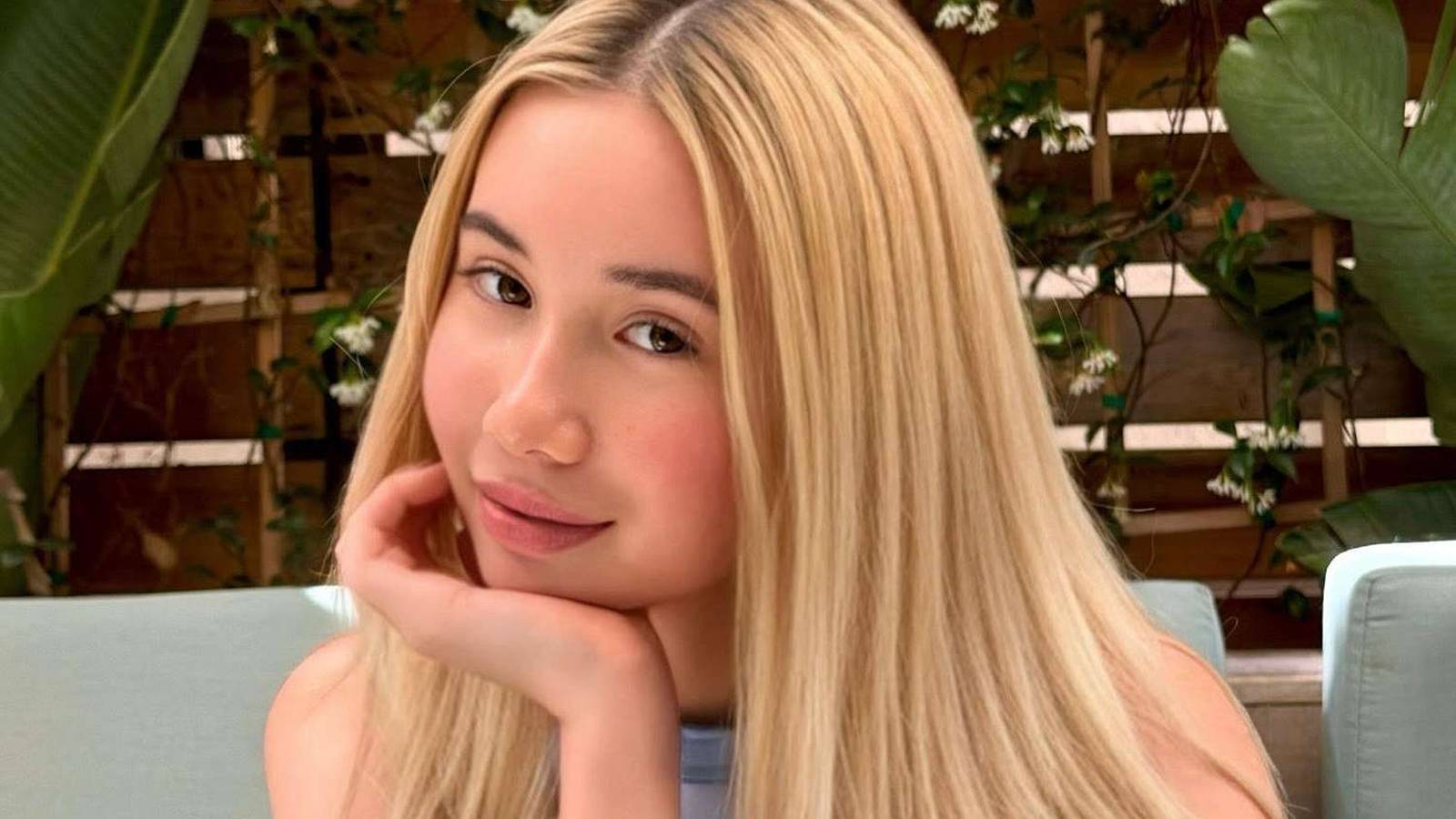
Celeste Rivas, a teenager whose name was barely known outside her circle, became a headline after her body was discovered inside an abandoned Tesla at a Hollywood impound lot. The car was registered to D4vd—David Anthony Burke—a rising rapper whose digital presence had connected him to Celeste. The authorities, noting the relationship and circumstances, filed the case as a ‘romantic homicide.’
From Viral Fame to Vulnerability: The Lil Tay Parallel
To understand the context, it’s impossible to ignore the echo of Lil Tay, the internet child-star whose own turbulent rise and mysterious online disappearance made headlines in recent years. Like Lil Tay, Celeste was thrust into the digital spotlight, her personal life blurring with public spectacle. In both cases, the allure of fame—of being noticed, liked, followed—became inseparable from the risks that come with exposure to strangers, fame-hungry collaborators, and the relentless churn of internet attention.
The teacher’s account adds nuance to the story. He describes Celeste meeting D4vd through social media, running away from home, and being found by police after a month in Hollywood. She returned to school, sharing bits of her ordeal with classmates. But the cycle continued; Celeste vanished again in May 2024. The teacher recalls hearing from her friends about her involvement with the rapper, and then, the final, grim update: Celeste was found dead in D4vd’s car, cut into pieces.
Investigation Unfolds: Evidence and Unanswered Questions
E! News reported that the Tesla had sat for days in a tow yard before police, responding to complaints about a foul odor, discovered Celeste’s remains on September 17. D4vd was out of Los Angeles, touring the US at the time. He canceled his Seattle show scheduled for that day, but his plans for the San Francisco concert remained unclear.
The investigation quickly expanded. Authorities searched a nearby abandoned residence, not owned by D4vd but reportedly used by him before the tour. There, they found more threads in the tangled story: social media posts, videos of Celeste and D4vd together, and a missing person poster showing Celeste in the same black GAP hoodie seen in their videos.
The Haunting Song and Digital Forensics
As detectives combed through the evidence, another twist emerged. An unreleased D4vd song, named after Celeste, surfaced online. According to the New York Post, the lyrics reference her directly: “Oh, Celeste, the girl with my name tattooed on her chest, smell her on my clothes like cigarettes.” The internet, ever vigilant, connected dots—matching clothing, locations, and timelines. The song’s existence, and its intimate lyrics, fueled speculation about the nature of their relationship and what transpired in the weeks leading up to Celeste’s death.
Forensic teams pieced together digital footprints, but many questions remain. Was Celeste’s disappearance and death the result of a toxic relationship forged in the glare of social media? Did the promise of fame and connection mask deeper dangers? The facts are chilling, but the motives—and the full story—are still shrouded in uncertainty.
The Wider Lens: Social Media, Celebrity, and Adolescent Risk
The Celeste Rivas case is a stark reminder of how quickly digital encounters can spiral into real-world tragedy. The parallels with Lil Tay’s own story—the meteoric rise, sudden withdrawal, and public speculation—underscore the vulnerability of young people navigating fame’s treacherous terrain. Social media offers connection, but it also erases boundaries. Relationships form quickly, identities shift, and the line between safe and unsafe blurs.
For Celeste, the search for recognition ended in tragedy. For her teacher, classmates, and family, the viral video is both a memorial and a warning. The headlines may fade, but the underlying risks persist—hidden in every friend request, DM, and viral post.
As the investigation continues, the public is left grappling with uncomfortable truths about the cost of visibility, the power of online relationships, and the urgent need for safeguards in the digital age.
In the aftermath of Celeste Rivas’ death, the intersection of internet fame and adolescent vulnerability stands in stark relief. The facts tell a story not just of one girl’s tragedy, but of an entire generation at risk—where the promise of celebrity can quickly become a peril. The case is a call to action: for parents, educators, and platforms to prioritize safety over spectacle, and for society to reckon with the invisible dangers that lurk behind every viral moment.