
Quick Read
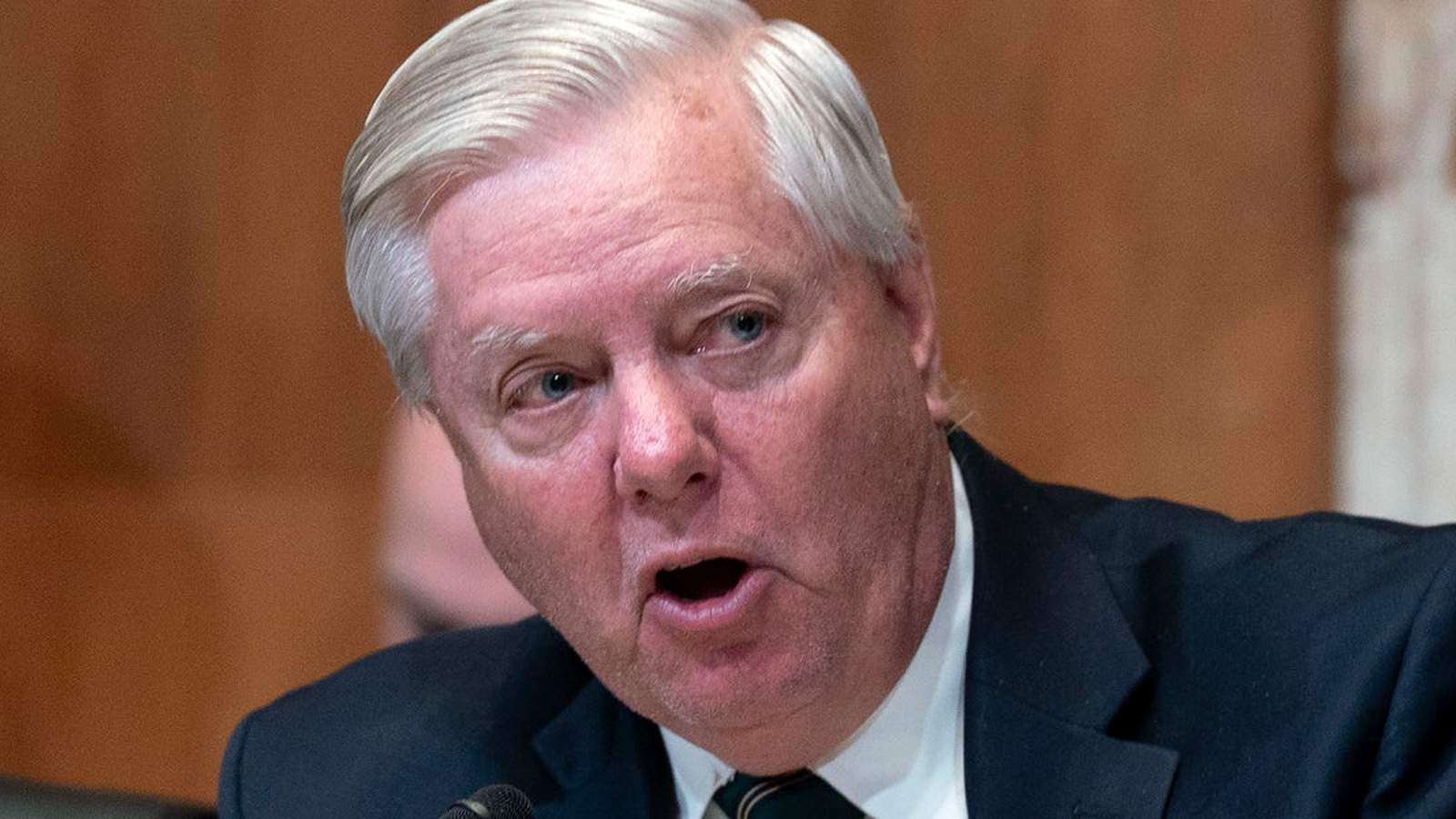
- Sen. Lindsey Graham refused his congressional salary during the historic government shutdown, pledging it to charity.
- Graham proposed a constitutional amendment to suspend congressional pay during shutdowns, but passage faces steep hurdles.
- The shutdown stems from disputes over federal health care tax credits and spending priorities, impacting millions.
- Graham is also advancing bipartisan sanctions legislation targeting Russia and its energy partners over the Ukraine war.
- Internal GOP debates reflect broader questions about leadership, accountability, and the future of conservatism.
Graham’s Salary Pledge During the Government Shutdown
As the U.S. government shutdown stretched past 35 days—the longest in American history—Senator Lindsey Graham (R-S.C.) chose to make a public stand. Rejecting his own paycheck, Graham announced he would donate his salary to Upstate Warrior Solution, a nonprofit serving veterans and their families. For Graham, it was more than symbolic. He argued, “If our troops, border agents, and essential workers aren’t getting paid, I shouldn’t either.” (SC Daily Gazette)
This stance was echoed by several of his South Carolina colleagues, but Graham went further. Instead of simply withholding his pay, he called for a constitutional amendment that would automatically suspend congressional salaries during any future government shutdown. His proposal also suggested redirecting lawmakers’ pay to the U.S. Treasury to help reduce federal debt—an idea that found favor among local representatives but faces daunting procedural hurdles. (WPDE)
Federal law currently ensures that the president, members of Congress, and federal judges continue to receive paychecks during shutdowns. Meanwhile, millions of civilian government workers and congressional staff are left waiting for backpay, making Graham’s gesture both a protest and a call for reform.
The Political Deadlock and Its Human Toll
The shutdown itself was rooted in a fierce deadlock between Republicans and Democrats. House Republicans passed a stopgap bill to keep the government funded at current levels, but the Senate’s narrow majority couldn’t muster the required 60 votes. Democrats, meanwhile, demanded permanent extensions of enhanced federal tax credits under the Affordable Care Act, which help lower the cost of health insurance—a sticking point that threatens to raise premiums for millions if unresolved. (Reuters)
The consequences of this stalemate were immediate and severe. Federal workers missed paychecks. SNAP (food assistance) benefits were delayed, prompting warnings of “chaos” from the Transportation Secretary as air traffic controllers struggled to keep operations running. The Trump administration’s maneuvering over food assistance further inflamed the crisis, with courts intervening to force the release of some benefits.
Senator Graham’s pay pledge and legislative proposal thus landed amid a broader landscape of frustration, finger-pointing, and uncertainty. While some lawmakers pushed for compromise, others—like Graham—insisted that Congress itself should feel the pressure of the shutdown.
Graham’s Role in Foreign Policy and the Ukraine Debate
Even as the shutdown drama unfolded, Graham remained active on the foreign policy front. In July, he applauded President Trump’s rare rebuke of Russian President Vladimir Putin, calling Trump’s stance “spot on.” Graham was also working to advance bipartisan legislation targeting not only Russia but also countries like China and India that continue to buy Russian energy, thereby financing Putin’s war machine in Ukraine. (AOL)
Graham’s bill, co-sponsored by Democrat Richard Blumenthal, included a presidential waiver to give Trump greater leverage in negotiations. Graham argued that, “When it comes to Putin and those who support his war machine, it is time to change the game.” His optimism about the bill’s progress was tempered by Senate insiders, who suggested it was unlikely to reach the floor immediately.
Meanwhile, the conflict in Ukraine intensified. Russia launched record drone attacks, prompting Trump to pledge more defensive weapons for Kyiv—a reversal from earlier Pentagon statements about freezing aid. Graham’s efforts to shape sanctions policy reflect both his hawkish stance and his willingness to forge bipartisan solutions on security issues.
Internal GOP Friction and Questions of Leadership
Graham’s actions, however, have not been without controversy. Within conservative circles, his brand of politics is increasingly scrutinized. In a pointed exchange on social media and conservative talk shows, commentators like Tucker Carlson and Mario Nawfal questioned what it means to be “conservative” in the Graham era. Is Graham’s approach about foundational beliefs, or is it just another iteration of partisan maneuvering?
On the Tucker Carlson Show, guests debated whether Graham’s legacy represents the future of the Republican Party or a departure from its traditional values. Some criticized his perceived willingness to compromise, while others pointed to his leadership in foreign affairs and government reform as evidence of pragmatic, results-driven politics.
The Roadblocks to Reform and the Path Forward
Graham’s constitutional amendment faces steep odds. Amending the Constitution requires a two-thirds majority in both chambers and ratification by three-fourths of the states—a process that has stymied similar proposals in the past. Still, Graham’s push for accountability has struck a chord among constituents and colleagues who see congressional pay as a lever for change during times of crisis.
Rep. William Bailey called Graham’s proposal “something they should have done day one,” voicing the frustration of many who feel Congress has failed to represent the interests of ordinary Americans during the shutdown. For now, Graham’s gesture—donating his salary and urging others to follow suit—remains a personal protest, but it could set a precedent for future debates about government responsibility.
Assessment: Graham’s Gambit—Symbolism, Strategy, and the Limits of Congressional Reform
Lindsey Graham’s decision to forgo his salary during the government shutdown is both a symbolic act and a strategic move within Washington’s larger power struggle. While his amendment is unlikely to clear the constitutional hurdles, it highlights a growing demand for accountability among elected officials. Graham’s leadership—on both domestic gridlock and foreign policy—shows a willingness to blend protest with pragmatic action, but it also exposes the deep divisions within Congress and the Republican Party itself. Ultimately, the true impact of his gambit may be less about changing laws and more about shaping public expectations for what leadership and service in Washington should look like.