
Quick Read
- Federal Reserve Governor Lisa Cook is accused of mortgage fraud involving two properties.
- President Trump has publicly called for Cook’s resignation, escalating political pressure.
- The allegations come amid broader efforts by the Trump administration to reshape the Fed.
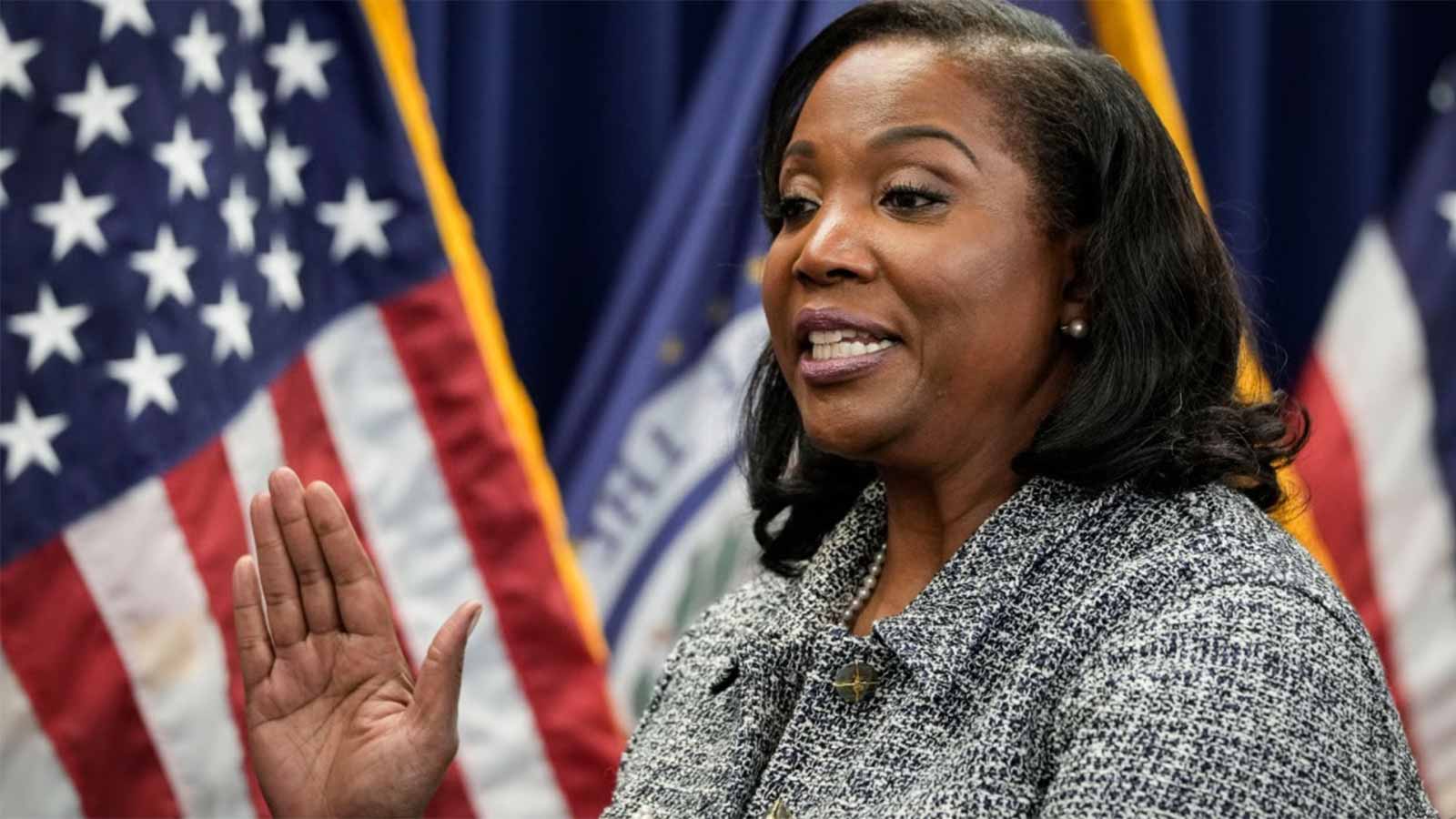
Federal Reserve Governor Lisa Cook, a prominent figure in U.S. monetary policy, has become the center of a political and legal storm following allegations of mortgage fraud. On August 20, 2025, President Donald Trump publicly demanded her resignation, citing accusations made by Bill Pulte, the Federal Housing Finance Agency (FHFA) Director and a close Trump ally.
Allegations of Mortgage Fraud
The controversy began when Pulte, who also chairs both Fannie Mae and Freddie Mac, accused Cook of falsifying bank documents to secure favorable loan terms. According to Axios, Pulte alleged that Cook had obtained mortgages on two properties under conflicting representations. One mortgage was for a house in Michigan, claimed as her primary residence, while another was for a condominium in Atlanta, also reportedly listed as her primary residence. In 2022, the Atlanta property was later described as a rental property, further complicating the matter. Pulte referred the matter to Attorney General Pam Bondi, urging a criminal investigation into what he described as potential violations of mortgage fraud statutes.
Cook, appointed to the Federal Reserve Board of Governors in 2022, is currently serving a term that extends until 2038. Her role within the Fed has been largely viewed as dovish, advocating for policies that align with lower interest rates—a stance ironically in line with Trump’s own monetary preferences. Despite this, the allegations have placed her in the crosshairs of a politically charged campaign by the administration to reshape the central bank’s leadership.
Trump’s Call for Resignation
President Trump took to his social media platform, Truth Social, to demand Cook’s immediate resignation. “Cook must resign, now!!!” he posted, amplifying the legal and political pressure on the Fed governor. According to Reuters, Trump’s push for Cook’s resignation is part of a broader effort to install Federal Reserve governors who are more aligned with his economic agenda. This includes potentially ousting Fed Chair Jerome Powell before his term concludes in May 2026, citing cost overruns in the Fed’s $2.5 billion headquarters renovation as grounds for dismissal.
The allegations against Cook come at a time when the Trump administration is intensifying its scrutiny of Democratic appointees and perceived political adversaries. Pulte’s FHFA has previously targeted figures such as California Senator Adam Schiff and New York Attorney General Letitia James with similar accusations, raising questions about the impartiality and motivations behind these investigations.
Political and Legal Implications
The allegations against Cook could have far-reaching implications for the Federal Reserve and its independence. Critics argue that the Trump administration’s actions are part of a calculated strategy to undermine the central bank’s autonomy and consolidate control over monetary policy. The accusations also highlight the challenges faced by public officials in navigating the intersection of personal finances and public service, particularly in an era of heightened political polarization.
Cook has yet to publicly respond to the allegations or Trump’s call for her resignation. Her supporters argue that the accusations are politically motivated, aimed at discrediting a Democratic appointee rather than addressing substantive issues of misconduct. Meanwhile, legal experts caution that proving mortgage fraud requires clear evidence of intent to deceive, a standard that may be difficult to meet in this case.
What’s Next for Lisa Cook?
The unfolding saga has drawn significant attention from lawmakers, economists, and the public. As the investigation progresses, the outcome could set a precedent for how allegations of financial impropriety are handled within the Federal Reserve and other government institutions. It also raises broader questions about the role of political influence in shaping the composition and policies of independent agencies.
Cook’s future at the Federal Reserve remains uncertain. While the allegations have undoubtedly tarnished her reputation, the absence of concrete evidence or a formal legal ruling leaves room for her to defend her position. The coming weeks will likely see increased scrutiny of her actions and decisions, both past and present, as stakeholders seek to determine the validity of the claims against her.
As this high-stakes drama unfolds, the implications for U.S. monetary policy and governance will undoubtedly be profound, underscoring the complex interplay between politics and economics in shaping the nation’s financial landscape.