
Quick Read
- A snapped cable caused Lisbon’s Glória funicular to derail, killing 16 and injuring over 20.
- The accident occurred on September 3, just six meters into the funicular’s journey.
- Preliminary investigations reveal maintenance was up-to-date, but the cable’s break point was not visible.
- Victims include nationals from Portugal, South Korea, the U.S., and more.
- Two separate investigations are underway to determine the root cause and safety improvements.
On Wednesday, September 3, a catastrophic failure of the Glória funicular in Lisbon resulted in one of the deadliest accidents in the Portuguese capital’s history. The derailment left 16 people dead and over 20 injured, with victims hailing from multiple countries, including Portugal, South Korea, the United States, and Canada. The historic funicular, a beloved tourist attraction, had been in operation since 1914, ferrying passengers up and down Lisbon’s steep hills. However, a snapped cable led to its tragic derailment, sparking widespread mourning and urgent investigations.
Details of the Accident and Immediate Aftermath
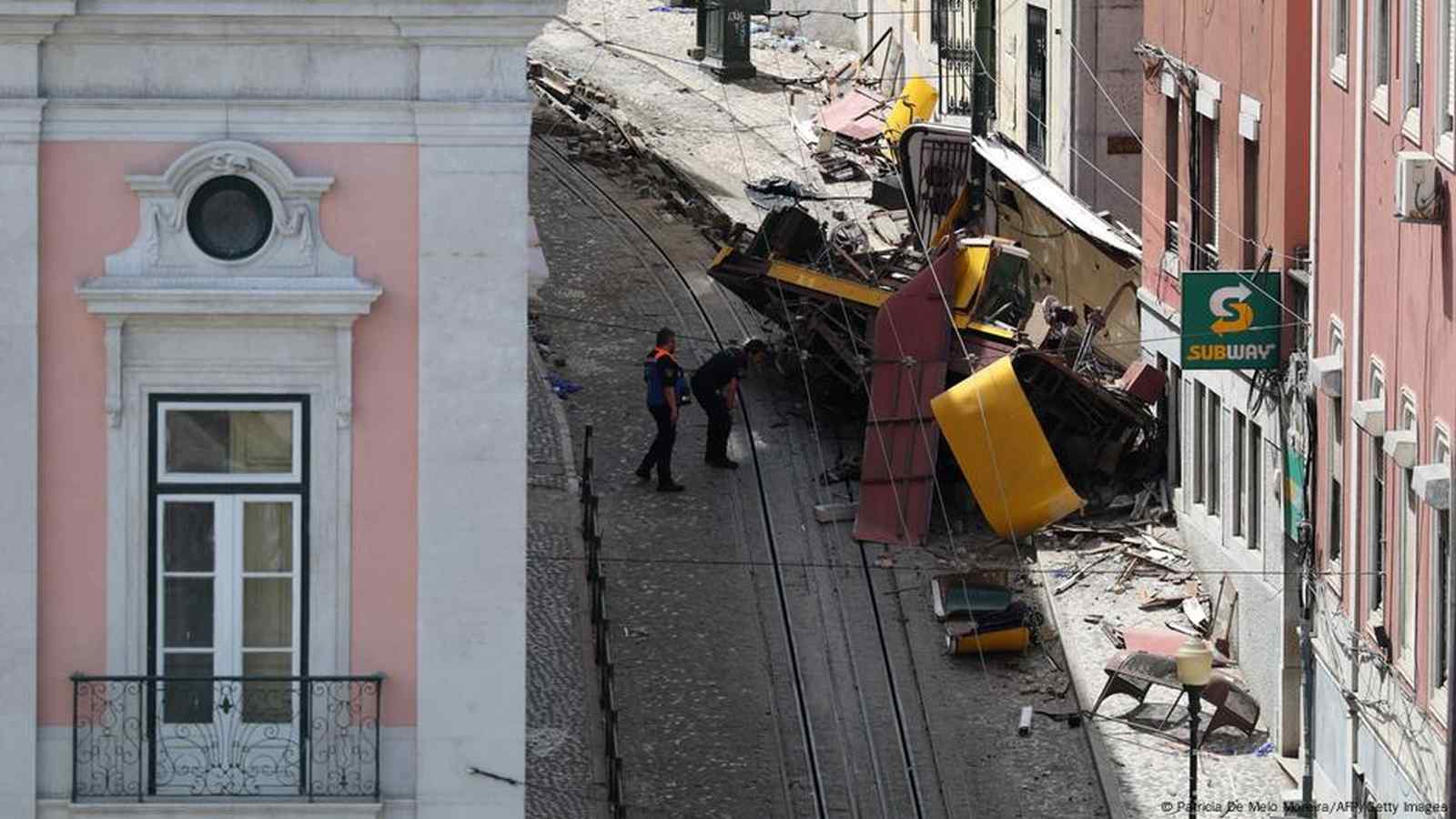
According to the preliminary report released by Portugal’s Office for Air and Rail Accident Investigations (GPIAAF) on Saturday, September 7, the accident occurred when a cable connecting two funicular cabins snapped just six meters into their journey. The Glória funicular, known for its bright yellow exterior, operates on a counterbalance system where one car’s descent helps pull the other up the steep slope. When the cable broke, the upper cabin lost its balancing force and accelerated uncontrollably down the hill. Within 50 seconds, the cabin, traveling at approximately 60 kilometers per hour (37 mph), crashed into a building near Avenida da Liberdade.
The violent collision left the funicular severely damaged and unrecognizable. Emergency responders rushed to the scene, pulling victims from the wreckage. Among the fatalities were five Portuguese nationals, three Britons, two South Koreans, two Canadians, and individuals from France, Switzerland, Ukraine, and the United States, according to BBC News. Heather Hall, a South Carolina college instructor, was the sole American victim. Her family described her as a passionate advocate for inclusive education and a devoted mother of two.
Preliminary Findings and Maintenance Concerns
Investigators have highlighted that the funicular’s maintenance was up-to-date, with a visual inspection conducted on the morning of the accident. However, the critical point where the cable snapped was not visible without dismantling, according to DW. The cable, designed to last 600 days, had been in use for only 263 days at the time of the incident. Despite these measures, the accident exposed potential weaknesses in the inspection process.
GPIAAF officials confirmed that both the pneumatic and manual brakes were applied by the cabin’s brakeman during the descent. Unfortunately, these efforts failed to slow the vehicle. The report also emphasized that the current findings are preliminary, and investigators have not yet drawn definitive conclusions about the root cause. A final report, expected within a year, will include a detailed analysis and potential safety recommendations.
Impact on Victims and Global Attention
The tragedy has garnered international attention due to the diverse nationalities of the victims. Among the deceased were two South Koreans, whose identities were confirmed by South Korea’s Ministry of Foreign Affairs. One South Korean woman remains hospitalized in critical condition. Families and friends of the victims have expressed their grief and paid heartfelt tributes. Heather Hall’s colleagues at the College of Charleston described her as a “bright star” dedicated to education and equity.
In total, 16 people lost their lives, and 23 others sustained injuries, ranging from minor to severe. The route, which connects Restauradores Square to the São Pedro de Alcântara Observatory, is traversed by approximately three million passengers annually, making the incident a significant blow to both locals and tourists.
What Comes Next?
Two separate investigations are underway: one by the GPIAAF and another by Portugal’s prosecutor’s office. While the GPIAAF focuses on technical and safety aspects, the prosecutor’s office is examining whether criminal negligence played a role. Both investigations are expected to provide clarity on how such a disaster occurred and how similar incidents can be prevented in the future.
The Glória funicular, part of Lisbon’s iconic transportation network, has long been a symbol of the city’s charm and history. Its derailment raises questions about the safety of aging infrastructure and the effectiveness of current maintenance protocols. As Lisbon mourns the loss of lives, authorities face mounting pressure to ensure that such a tragedy never happens again.
The derailment of the Glória funicular serves as a sobering reminder of the importance of rigorous safety standards in public transportation. As investigations continue, the world watches for answers and solutions to prevent future tragedies.