
Quick Read
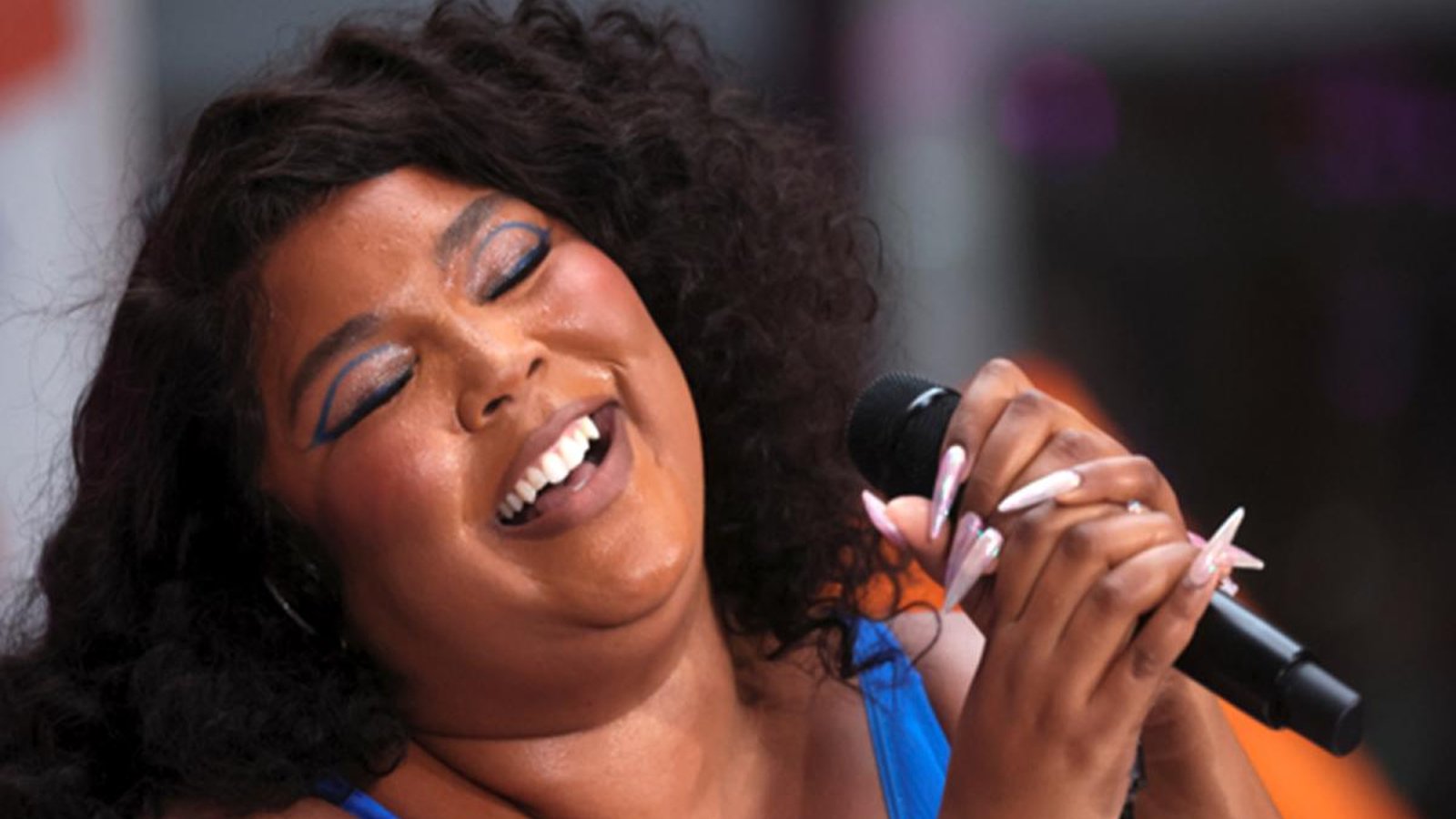
- Lizzo is being sued by GRC Trust for alleged copyright infringement in an unreleased song referencing Sydney Sweeney.
- The song reportedly samples ‘Win or Lose (We Tried)’ by Windy City without permission.
- GRC Trust is seeking profits, damages, and an injunction against the song’s distribution.
- Attempts to resolve the issue privately failed, leading to legal action.
- Lizzo’s team claims the song has never been commercially released or monetized.
Lizzo’s Unreleased Track Lands Her in Legal Trouble
In August, a short video featuring Grammy-winning artist Lizzo sent social media into a frenzy. The clip showed her washing a car, dressed minimally, and singing, “I got good jeans like I’m Sydney”—a playful reference to actress Sydney Sweeney’s much-discussed American Eagle jeans campaign. But what began as a viral, tongue-in-cheek moment has now spiraled into a legal battle that could have implications beyond Lizzo’s own career.
The Lawsuit: Copyright Claims Over a Soulful Sample
According to court documents filed in California, Lizzo is being sued by the Georgia-based GRC Trust for allegedly using an uncleared sample from the 1970s soul ballad “Win or Lose (We Tried)” by Windy City in her unreleased song, tentatively titled “I’m Goin’ In Till October.” The GRC Trust, which owns the publishing rights to the sampled track, claims that Lizzo and her label, Atlantic Records, profited from the unauthorized use, even though the song was never officially released or monetized.
The complaint, as reported by WION, states: “The song’s creators obtained profits they would not have realized but for their infringement.” Attempts to resolve the issue privately broke down, forcing GRC Trust to escalate the matter to court. The lawsuit is now seeking not only an injunction to stop the distribution of the track but also damages, legal fees, and any profits Lizzo and her label may have earned from the song’s exposure.
The Social Media Spark and Sydney Sweeney’s Viral Ad
Lizzo’s snippet went viral in August, buoyed by her sly reference to Sydney Sweeney, whose American Eagle jeans campaign had already been trending online. Fans quickly identified the unreleased track as “I’m Goin’ In Till October.” While the jeans joke was a playful nod to Sweeney’s internet fame, the song’s underlying sample soon drew the attention of copyright holders.
Behind the scenes, the issue proved far less lighthearted. According to The Statesman, Jimmy Ginn, listed as the publishing rights owner for “Win or Lose (We Tried)” in the BMI music database, and Sam Dees, the composer, are both named in the complaint. GRC Trust’s legal team asserts that Lizzo’s use of the sample constitutes clear infringement, especially given the track’s viral reach. “Attempts to resolve the matter privately failed, forcing them to take legal action,” the filings note.
Music Industry Precedent and the Sample Debate
This isn’t the first time GRC Trust has taken major artists to court over sampling disputes. Just last month, they filed a similar lawsuit against Kanye West, his brand Yeezy, and collaborators Kano and Vory, alleging unauthorized use of another soul track in West’s “Lord Lift Me Up.” The frequency of such cases underscores the persistent tension between creative sampling and copyright protection in the music industry.
Sampling—a technique that underpins much of modern pop, hip-hop, and R&B—has always walked a fine line between inspiration and infringement. While some artists and labels meticulously clear every sound bite, others gamble with viral success, sometimes overlooking the legal complexities. Lizzo’s case, centering on a song that hasn’t even been released for sale, illustrates how quickly copyright issues can escalate in the age of social media.
Lizzo’s Response and Public Reaction
As of now, Lizzo, whose real name is Melissa Viviane Jefferson, has not made a public statement regarding the lawsuit. Her representatives expressed surprise at the legal action, emphasizing that the track “has never been commercially released or monetized.” They maintain that no decision has been made about a potential future release, suggesting the dispute centers more on viral exposure than actual profit.
Fans have rallied on both sides of the debate. Some argue that the lawsuit is an overreach, especially since the track only surfaced in short clips online. Others point out that copyright laws exist precisely to protect the work of original artists, regardless of a song’s commercial status. As Lokmat Times notes, the legal claim seeks “any profits Lizzo and her label made, as well as damages and attorneys’ fees.”
What’s Next for Lizzo—and for Sampling in the Digital Age?
The outcome of this lawsuit could set a new precedent for how social media posts featuring music snippets are treated by courts. If the judge rules in favor of GRC Trust, artists may face tighter scrutiny over even non-commercial, viral content. On the other hand, a ruling for Lizzo could offer some leeway for musicians who use snippets creatively in online posts.
Lizzo herself remains a prominent figure in pop culture, celebrated for her empowering anthems like “About Damn Time” and “Truth Hurts.” But as the legal process unfolds, both fans and industry insiders will be watching closely. The case is a reminder that even a lighthearted joke—like referencing Sydney Sweeney’s “good jeans”—can have complex consequences when intertwined with issues of intellectual property.
In the world of music law, what starts as a viral moment can swiftly become a battle over rights, profits, and creative boundaries. For Lizzo, the stakes are high, and the outcome could echo across the industry, shaping how artists approach viral marketing and copyright in the years ahead.
Ultimately, the Lizzo-Sydney Sweeney jeans case reveals a growing tension between digital creativity and legal safeguards. As the lines blur between entertainment and intellectual property, artists must tread carefully—even when the spotlight shines unexpectedly.