
Quick Read
- French court sentenced Dahbia Benkirane to life without parole for the 2022 murder of Lola Daviet.
- Benkirane is the first woman to receive this sentence in France, where the death penalty is abolished.
- The case exposed lapses in France’s immigration enforcement, as Benkirane was under an expulsion order at the time.
- Protests erupted over immigration policy and public safety after the crime.
- Benkirane exhibited psychopathic traits but was found not to have a treatable mental illness.
Historic Sentence in Paris: The Case That Shook France
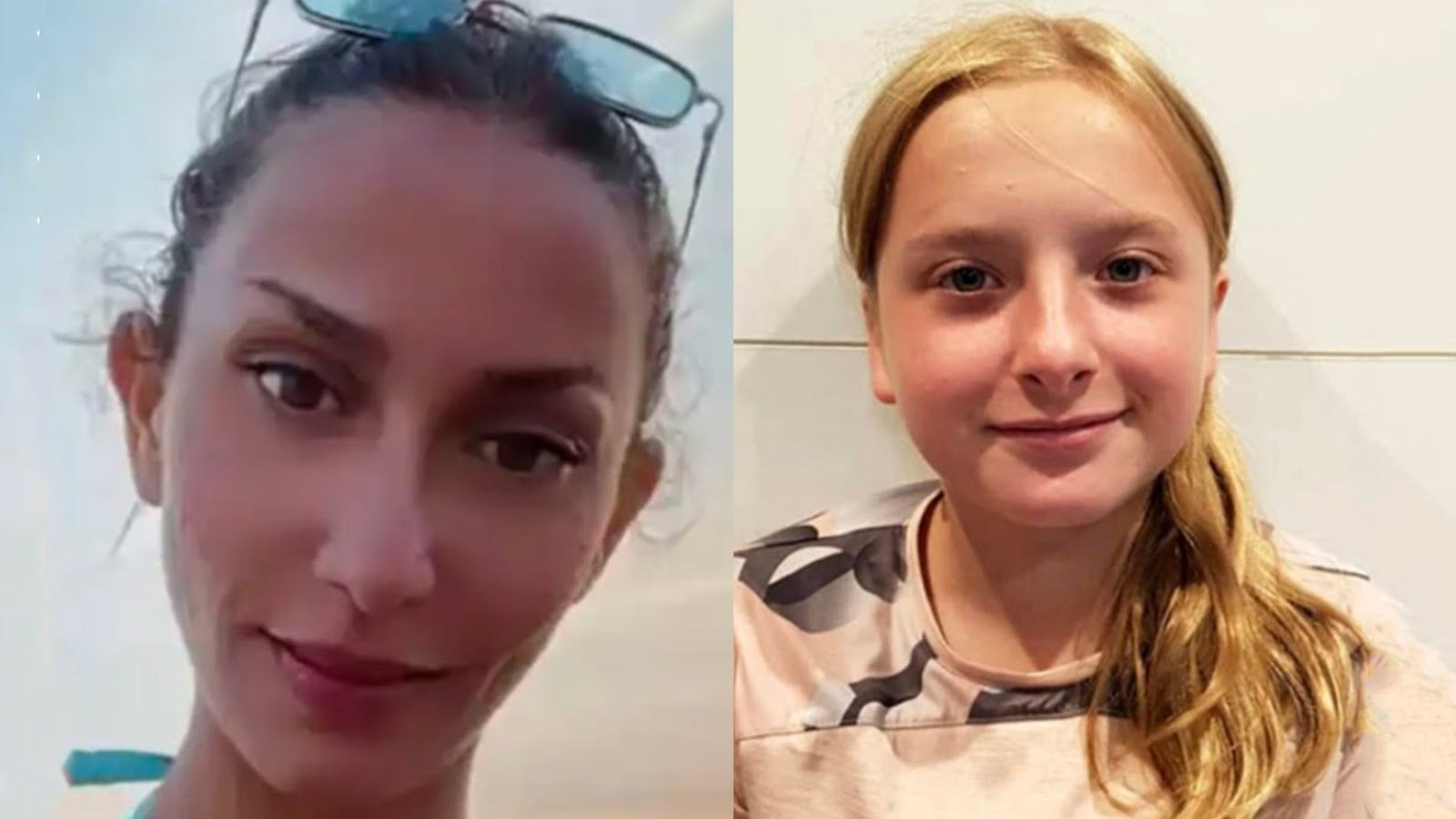
On October 24, 2025, a Paris courtroom fell silent as the verdict was read in the case of Lola Daviet—a 12-year-old girl whose tragic death reverberated far beyond the walls of her northeastern Paris apartment building. Dahbia Benkirane, a 27-year-old Algerian immigrant, stood impassively as she became the first woman in French legal history to receive a life sentence without the possibility of parole, the maximum penalty in a country that abolished the death penalty decades ago.
This was not a routine criminal proceeding. The facts, as established by Yonhap and Radio France, were harrowing: In October 2022, Benkirane lured Lola to the apartment where her sister lived, sexually assaulted her, then suffocated her. Lola’s body was found hours later, stuffed inside an abandoned suitcase in the building’s courtyard. Surveillance cameras had captured Benkirane and Lola entering together, and later, Benkirane leaving with the suitcase—a chilling sequence of events that left investigators and the public alike searching for answers.
The Investigation: Piecing Together a Tragedy
As police pieced together the timeline, the evidence mounted. The autopsy revealed not only the immediate cause of death—suffocation due to neck compression—but also marks on Lola’s face, neck, back, and body consistent with torture. For detectives, the brutality of the crime demanded careful forensic work. Witness statements, surveillance footage, and Benkirane’s own erratic behavior after the murder all pointed toward a calculated and deeply disturbing act.
Yet, as the investigation progressed, another layer emerged. Benkirane’s legal status in France was in limbo. She had arrived six years earlier on a student visa, but her residency permit had expired. In August 2022, just two months before the crime, border officials had prevented her from departing at a Paris airport, issuing her an expulsion order. According to Chosun Ilbo, she was meant to leave the country within one month—a directive that was never enforced.
Political and Social Fallout: A Nation Demands Answers
The cruelty of Lola’s murder quickly became a flashpoint in France’s ongoing debate over immigration and public safety. As news of Benkirane’s status spread, protests erupted across Paris. Demonstrators, some galvanized by conservative politicians, called for stricter immigration controls and criticized the government’s failure to enforce deportation orders.
Officials, meanwhile, urged restraint, warning against conflating one horrific crime with broader policy issues. Yet, the facts of the case—an expired visa, a missed expulsion, and a brutal murder—became fodder for nightly news debates and political speeches. For the Daviet family, grief was compounded by a sense that institutional failures had played a role in Lola’s death.
The Trial: Justice and Unprecedented Punishment
The trial itself was tense, marked by graphic testimony and the testimony of three psychiatric experts. They described Benkirane as exhibiting “psychopathic tendencies,” but stressed that she did not suffer from any treatable mental illness. “No medication can alter Benkirane’s personality,” prosecutors argued, pressing for the harshest penalty allowed by law.
As the verdict was read, Benkirane remained emotionless—a detail noted by journalists in the courtroom. Her lawyer confirmed she had ten days to appeal, though at the time of writing, no decision had been made. The court’s statement was stark: Lola had been forced to “endure the loss of her childhood, femininity, and humanity.” The psychological trauma inflicted on the Daviet family was, the judge said, “unspeakable.”
Lola’s mother, Delphine Daviet, spoke briefly to reporters after the sentence, her words resonating with families across France: “We believed in justice, and we have achieved it.”
What Comes Next: France’s Reckoning With Immigration and Justice
The aftermath of the verdict is still unfolding. For many, the case is now a symbol—not just of unimaginable loss, but of larger systemic questions. Why was Benkirane still in the country after her visa expired? How can France reconcile its humanitarian values with the need for public safety? These are not questions with easy answers, but they are ones that the Lola Daviet case has forced into the national conversation.
Meanwhile, the Daviet family continues to grieve, and a young life lost remains at the heart of a complex, deeply emotional debate. For French lawmakers, the pressure is on to ensure that immigration laws are enforced, and that tragedies like Lola’s are never repeated. For the public, the case is a sobering reminder of the human cost behind headlines and statistics.
As France moves forward, the legacy of Lola Daviet’s case will be felt in courtrooms, parliament debates, and family homes alike—a stark illustration of how justice, policy, and personal tragedy can intersect in ways that shape a nation’s future.
The Lola Daviet case stands as a watershed moment for French justice, exposing both the limits and the necessity of institutional accountability. The court’s unprecedented sentence signals a commitment to justice for victims, but also highlights the urgent need for systemic reforms in immigration enforcement and public safety—issues that will remain central to France’s social and political discourse for years to come.