

Quick Read
- Lola Young released ‘From Down Here’ with James Blake on May 22, 2026.
- The artist returned from a year-long hiatus dedicated to addiction recovery and mental health.
- Young won Breakthrough Artist at the 2026 BRITs and performed at the Grammys.
- She advocates for stronger industry boundaries and protection of artist wellbeing.
- Upcoming UK shows in June 2026 mark a shift toward a more sustainable touring model.
The Strategic Pivot: From Exhaustion to Sustainable Output
On May 22, 2026, British singer-songwriter Lola Young released her latest single, “From Down Here,” a collaboration with renowned producer and artist James Blake. While the release marks a significant artistic milestone, its broader implications reside in the institutional shift it represents for the global music industry. Young’s return follows a deliberate, year-long hiatus in 2025, during which she prioritized mental and physical health over commercial momentum. This trajectory—from a public collapse in New York City to a structured recovery involving addiction treatment—serves as a high-profile case study in the necessity of artist-led boundaries in an era of relentless digital and touring demands.
The collaboration with James Blake is not merely a stylistic choice but a validation of Young’s standing within the industry hierarchy. Blake, a figure synonymous with sonic innovation and emotional transparency, has long been cited by Young as a primary influence. According to statements made by Young, the partnership was born out of mutual respect and a shared understanding of the pressures inherent in the creative process. The track itself explores themes of grounding and the sobriety of perspective, moving away from the volatile “highs” of fame toward a more sustainable emotional equilibrium. This thematic shift aligns with her recent public discourse regarding the protection of an artist’s private life as a prerequisite for professional longevity.
The 2025 Hiatus: A Policy of Protection
In 2025, the trajectory of Lola Young’s career faced a critical inflection point. After collapsing on stage in New York and subsequently canceling her international tour due to exhaustion, Young took the unprecedented step of withdrawing from the public eye. This was not a temporary suspension but a systemic reset. During this period, she sought treatment for addiction and became an active participant in Alcoholics Anonymous (AA). Such transparency in the recovery process is increasingly becoming a standard for Gen Z artists who reject the “tortured artist” trope in favor of clinical health management.
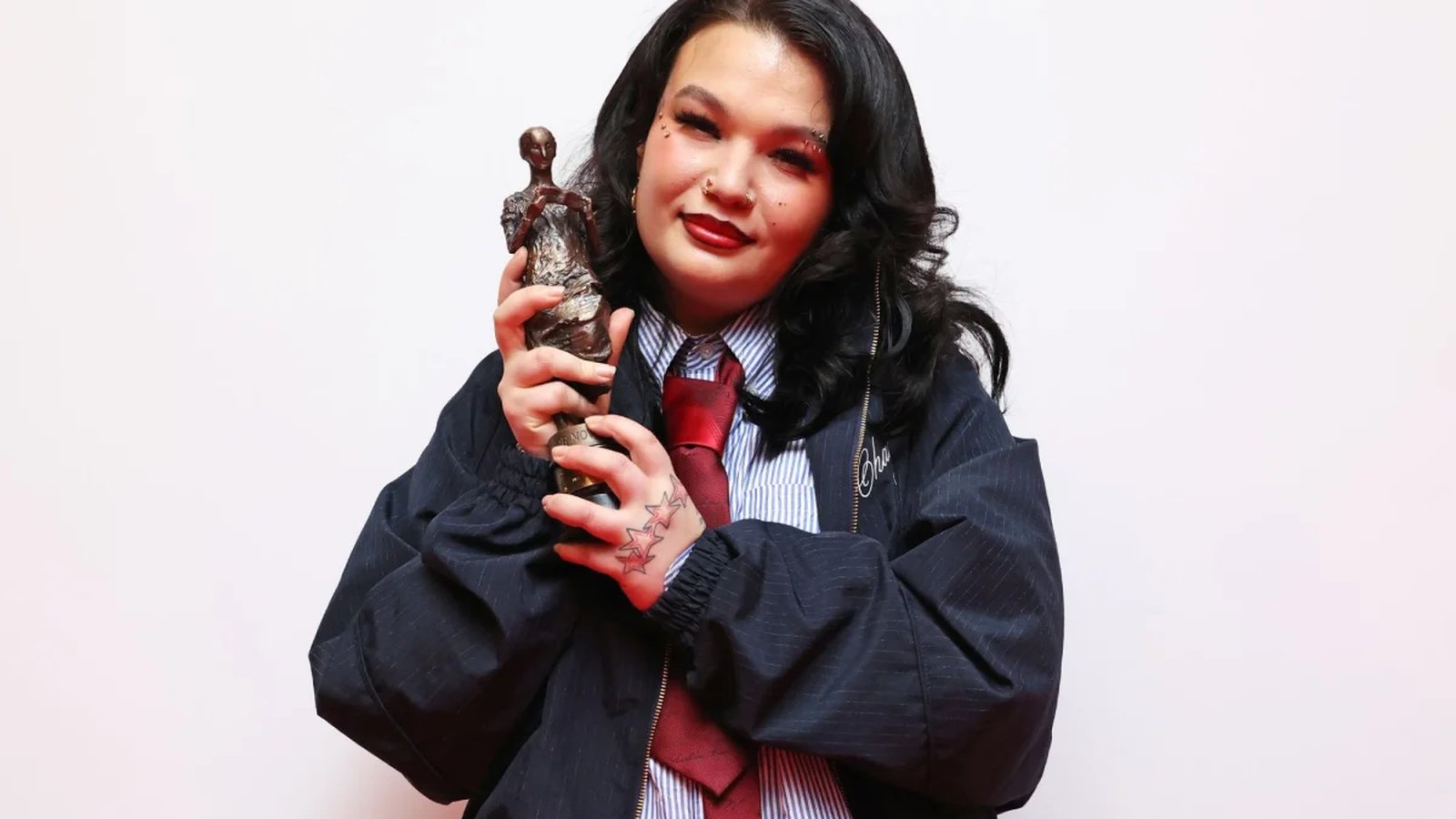
Speaking at the 71st Ivor Novello Awards on May 21, 2026, Young articulated a vision for the industry that prioritizes human welfare over immediate revenue. “Our wellbeing, our mental health, and the private aspect of what we go through as people should be protected and should be respected,” she noted in an interview with NME. This statement reflects a growing sentiment among high-output creatives that the traditional touring model is physically and psychologically unsustainable. By returning to the stage only after achieving a state of “groundedness,” Young is effectively lobbying for a new industry contract—one where health breaks are not seen as failures of stamina, but as essential maintenance for high-value cultural assets.
Market Re-Entry and Cultural Capital
The success of Young’s re-entry strategy is evidenced by her recent accolades and performance schedule. Having won the Breakthrough Artist award at the BRITs and performed at the 2026 Grammys, she has demonstrated that a period of absence does not necessarily result in a loss of market relevance. On the contrary, her honesty regarding her struggles has deepened her connection with a demographic that values authenticity and social responsibility. Her recent headline performance at the London Palladium and her inclusion in the lineup for Radio 1’s Big Weekend in Sunderland indicate that major promoters and broadcasters remain heavily invested in her career.
The upcoming four-date UK tour in June 2026 will serve as a litmus test for her new operational model. Unlike previous tours, this schedule appears more measured, designed to prevent the recurrence of the exhaustion that derailed her 2025 plans. This “bright new chapter,” as Young describes it, is characterized by a refusal to be a passive participant in the industry’s machinery. By setting these boundaries, she is influencing a broader movement where artists assert control over their schedules and mental health protocols, potentially forcing labels and management agencies to rethink their long-term development strategies.
The case of Lola Young underscores a fundamental transition in the creative economy. As the industry moves away from the exploitative models of the past, the emphasis is shifting toward the sustainability of the artist as a human being. Young’s collaboration with James Blake and her subsequent advocacy at the Ivor Novello Awards suggest that the next generation of superstars will not be defined by how much they can endure, but by how effectively they can protect their mental and physical health while maintaining high-level output. This shift toward institutionalized wellness is not merely a moral imperative but a logistical necessity for the preservation of cultural innovation.