
Quick Read
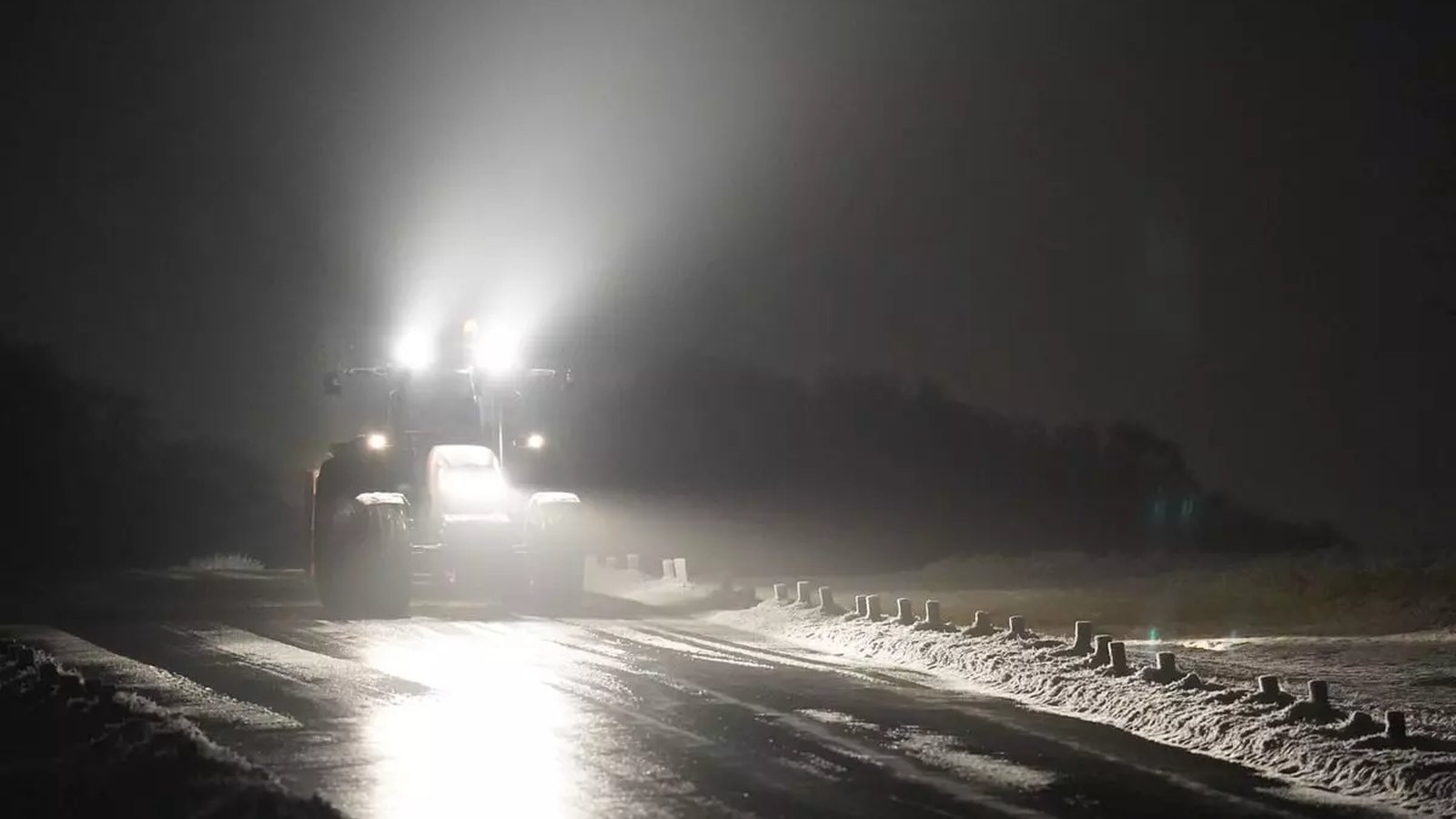
- London is under ice warnings as temperatures are set to drop sharply this week.
- Snow is forecast for northern UK regions, with up to 20cm expected above 300m.
- Met Office advises residents to prepare emergency kits and stay updated on weather alerts.
- UKHSA warns of increased health risks for the elderly and those with medical conditions.
- Councils urge Londoners to help grit local roads and check on vulnerable neighbors.
Met Office Issues Ice Warning for London as Cold Snap Deepens
London is bracing itself for a dramatic plunge in temperatures this week as the Met Office issues a series of yellow and amber warnings for snow and ice across the UK. As winter’s grip tightens, the capital finds itself on the edge of the first major cold spell of the season, with icy rain predicted to sweep through the city early Thursday morning, according to BBC Weather. While central London itself is unlikely to see heavy snowfall, the risk of icy patches and dangerously low temperatures has prompted authorities to urge residents to prepare for challenging commutes and potential disruptions.
It’s a scenario that’s become all too familiar in recent years. The Met Office’s latest forecasts warn that cold Arctic air is “firmly in charge,” setting the stage for wintry hazards not just in Scotland and northern England, but also in southern regions including London. Daytime highs in the capital are expected to hover around 9–10°C, but biting northerly winds will make it feel much chillier. Overnight, temperatures could drop further, and the threat of widespread frost and ice looms large.
Snow and Ice Sweep Across the UK: Disruption Expected
While London faces mainly icy conditions, other parts of the UK are set for a full-blown taste of winter. The north of England, Yorkshire, and Scotland have been placed under amber warnings for snow, with accumulations of up to 20cm forecast above 300 meters. The Met Office Chief Forecaster Neil Armstrong described the situation: “Cold Arctic air from the north is firmly in charge of the UK’s weather, bringing the first notable cold snap of this autumn and giving an early taste of winter weather.” He added that wintry showers will be particularly frequent in exposed areas, with snow and ice a “particular hazard.”
Images circulating on social media show snow already blanketing parts of Scotland, and even some rural areas in northern England. Temperatures in Scotland could fall as low as –11°C on Thursday night, with daytime readings generally in the low single figures. The UK Health Security Agency (UKHSA) has issued an amber cold health alert for northern regions, warning that the forecasted temperatures “can have a serious impact on the health of some people, leading to increased risk of heart attacks, strokes, and chest infections, particularly for individuals over the age of 65 and those with pre-existing health conditions.”
Preparing for the Cold: Practical Advice for Londoners
With the risk of icy roads and transport delays increasing, Londoners are being urged to take practical steps to stay safe. The Met Office recommends preparing essential kits in advance, including torches, batteries, blankets, warm clothing, and mobile phone chargers. For drivers, advice from the RAC and National Highways is clear: plan your route, allow extra time, and pack essentials in your car such as food, water, and high-visibility clothing. The Met Office also stresses the importance of checking road conditions and amending travel plans if necessary, as wintry weather can create hazardous surfaces and sudden delays.
Interestingly, London councils have called on residents to grit their own roads and pavements, a move prompted by the city’s five-day cold snap and stretched municipal resources. This sense of collective responsibility—neighbors looking out for one another, clearing paths and offering essentials—has become a recurring theme during extreme weather events. Katherine Crawford of Age Scotland urges: “Small gestures such as clearing and salting paths, or offering to collect essentials can make a huge difference—particularly for older people who live alone.”
Health, Heating, and Staying Active Indoors
Health experts warn that the drop in temperature could trigger a spike in seasonal illnesses. Dr Agostinho Sousa of UKHSA notes, “It is vital to check in on friends, family, and neighbors that are most vulnerable.” The Met Office advises keeping thermostats at a consistent temperature, both day and night, to avoid sudden chills inside homes. Staying active—even indoors—is also recommended; breaking up long periods of inactivity by walking around the house or standing up can help maintain both physical and mental health during extended spells indoors.
On the roads, the RAC expects breakdown volumes to rise by around 10% during the cold snap. Fallen leaves, already a hazard in autumn, become even more treacherous when combined with ice, increasing the risk of skidding. Drivers are advised to use higher gears when navigating packed ice and to avoid sudden movements that could trigger loss of traction.
Is the ‘Beast from the East’ Returning?
For many Britons, memories of the infamous ‘Beast from the East’ in February 2018—when temperatures plummeted and blizzards swept across the country—are still fresh. Meteorologists are watching the current stratospheric conditions closely, with Netweather’s Nick Finnis suggesting that sudden stratospheric warming (SSW) could occur around late November, potentially displacing the polar vortex and bringing another round of severe cold. While such events are notoriously hard to predict, the possibility of another deep freeze serves as a reminder to remain vigilant and prepared.
As the week progresses, the coldest conditions are expected between Wednesday and Friday, with overnight lows potentially reaching –10°C in some areas. The Met Office is urging residents to stay updated on the latest forecasts, as warnings may change rapidly depending on how the weather system develops.
What’s Next for London and the UK?
For now, Londoners should expect a mix of cold, dry spells and icy rain, with only a moderate chance of snow on Thursday. The capital’s unique microclimate often spares it from the worst of winter’s wrath, but the risk of ice and frost remains high. Across the UK, especially in the north and Scotland, travel delays, power cuts, and isolated communities are possible as snow accumulates on higher ground and temperatures dive well below seasonal norms.
The advice is simple but clear: prepare now, check on those who may be vulnerable, and adapt plans as the situation evolves. Whether or not the Beast from the East makes a comeback, this week’s cold snap is a stark reminder of the challenges winter can bring—and the resilience required to face them.
Assessment: This cold spell marks the first real test of London’s preparedness for winter in 2025, highlighting the importance of community action, practical preparation, and timely information. As weather extremes become more frequent, the ability to adapt—both individually and collectively—remains London’s greatest asset.