
Quick Read
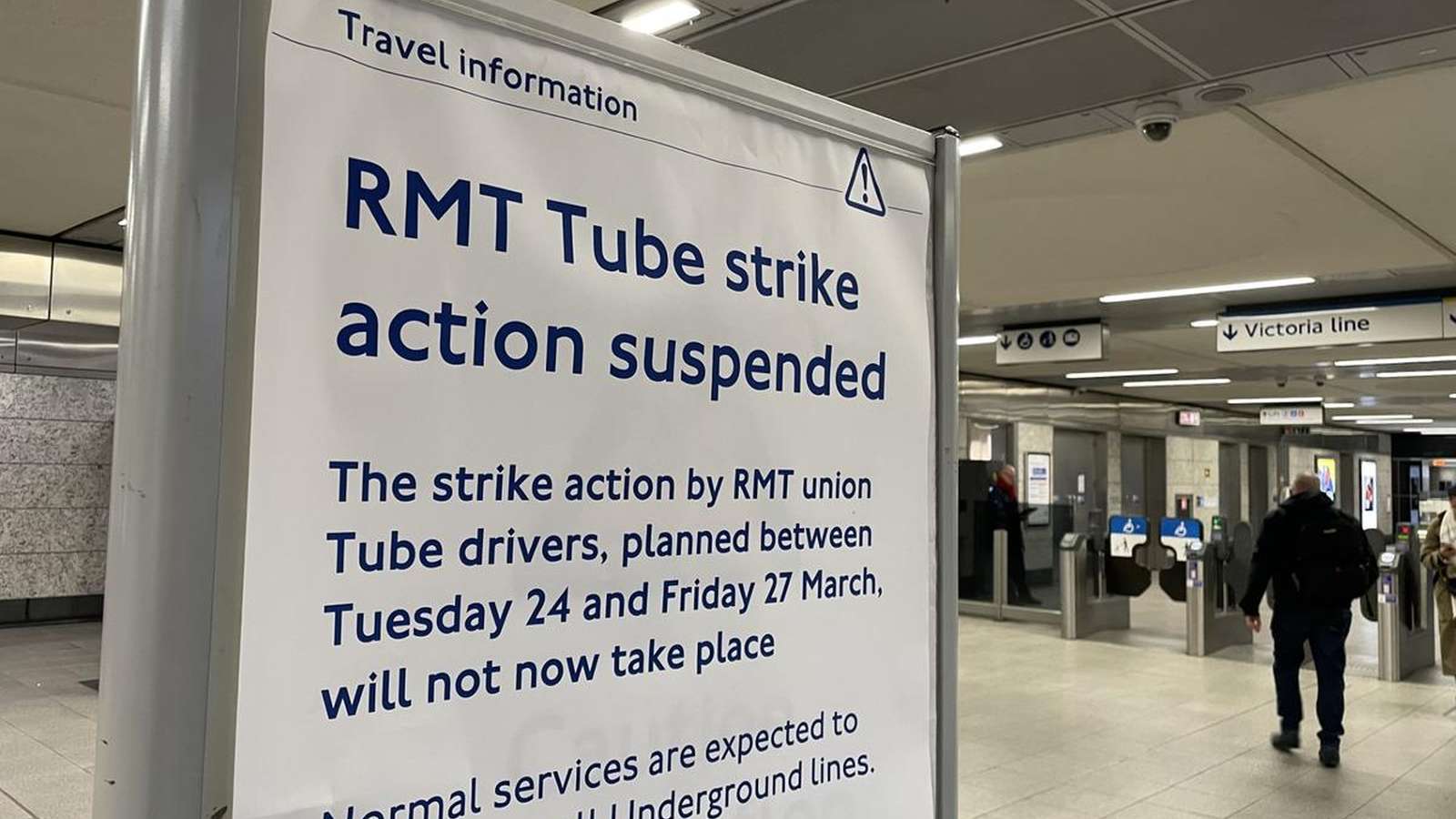
- RMT union suspended strikes scheduled for March 24-27 following progress in talks with TfL.
- The dispute centers on TfL’s proposal for a voluntary four-day work week for Tube drivers, which the RMT fears could lead to enforced fatigue.
- Future strike dates in April, May, and June remain on the books as negotiations continue behind the scenes.
LONDON (Azat TV) – Commuters across London have been granted a reprieve this week after the RMT union confirmed the suspension of planned London Underground strikes that were set to paralyze the network starting March 24. The sudden change in trajectory follows intensive, last-minute negotiations between the union and Transport for London (TfL) regarding a contentious proposal for a voluntary four-day work week.
Negotiations Over the Four-Day Week Shift
The core of the dispute centers on a management proposal designed to align Tube driver schedules with practices already established on the Elizabeth line and London Overground. TfL officials, led by Commissioner Andy Lord, have framed the four-day week as a modernization effort, promising that the scheme would remain entirely voluntary for staff. Under the proposed model, drivers would work slightly longer individual shifts in exchange for more days off, maintaining their current salary levels.
However, the RMT has remained skeptical, fearing that what is presented as a voluntary option could eventually be enforced, leading to increased fatigue and a degradation of work-life balance for its 1,800 affected members. RMT General Secretary Eddie Dempsey noted that while the walkouts were suspended on March 18, the dispute remains active. According to Dempsey, the union’s show of industrial unity forced management to treat their concerns with greater urgency, though the union maintains that the issue is far from a final resolution.
The Stakes of Continued Industrial Action
The suspension of this week’s action is only temporary. While the immediate threat to the network has passed, the RMT has kept a series of strikes scheduled for April, May, and June firmly on the calendar. Should negotiations fail to bridge the gap between management’s shift-pattern goals and the union’s safety and welfare requirements, London faces significant disruption in the coming months.
TfL has been navigating a complex landscape, reportedly caught between competing interests from different unions. While the RMT has resisted the shift-pattern changes, the Aslef union has expressed support for the four-day week, adding a layer of inter-union tension to the bargaining process. Mayor of London Sir Sadiq Khan intervened last week, calling for a return to the negotiating table to prevent the economic and logistical fallout of a total shutdown.
Future Outlook for London Transport
With posters now displayed across the Underground network to inform passengers that services will run as planned, the focus shifts to whether current talks can yield a permanent agreement. The upcoming strike dates, including sessions in late April and May, remain a Sword of Damocles hanging over the capital’s transport infrastructure. TfL maintains that it will continue to work constructively with all unions to prevent further volatility.
The suspension of the March strikes represents a tactical victory for the RMT, signaling that management’s push for operational changes via a four-day work week is currently facing a significant institutional impasse that cannot be resolved without explicit union consent.