


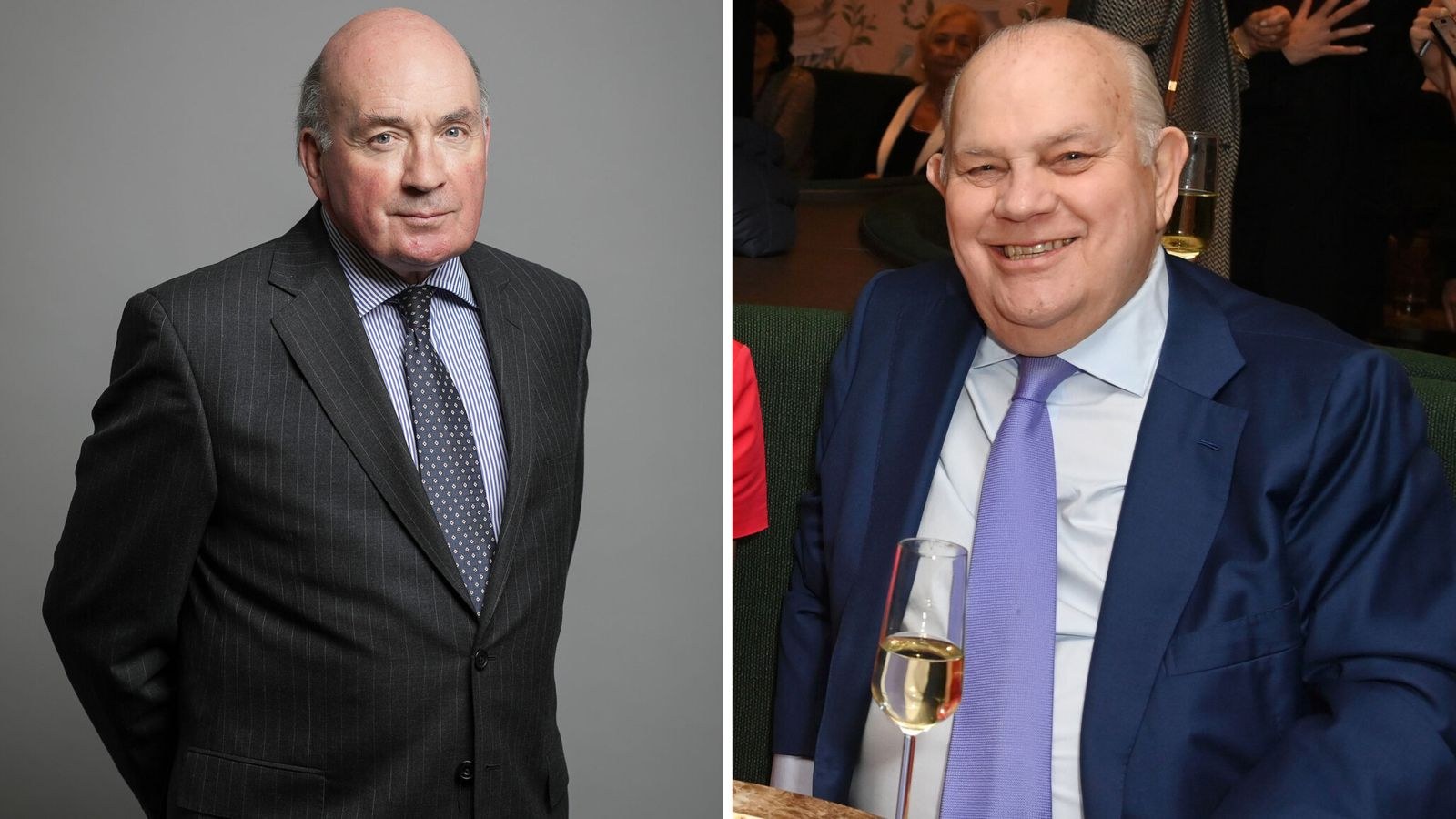
Cash-for-Access Allegations Lead to Suspension
In November 2025, the House of Lords was rocked by a scandal that saw two of its members suspended for serious breaches of parliamentary conduct. Among them was Lord David Evans of Watford, a Labour peer and businessman, who received a five-month suspension after an undercover investigation revealed he had offered parliamentary access and services in exchange for financial reward.
The investigation, triggered by undercover reporters from The Guardian, exposed how Lord Evans was willing to sponsor events in Parliament for Affinity—a company owned by his son and in which Evans himself held a third of the shares. During meetings, Evans reportedly told journalists posing as potential clients that he could introduce them to MPs, a clear violation of the House of Lords’ code of conduct, which strictly prohibits members from leveraging their position for personal profit or third-party gain.
How the Breaches Unfolded
The Commissioner for Standards detailed four separate breaches by Lord Evans. The most significant involved his sponsorship of events at the House of Lords for Affinity. Tickets to these events were sold at prices above actual costs, breaking rules on commercial activity within parliamentary premises. Evans also approached fellow peers to speak at these events, further entangling parliamentary resources with his private financial interests.
Evans explained that he believed his shares in Affinity had been transferred to his son in 2013, and therefore assumed he would not personally benefit from the events. However, official records contradicted this, and the Commissioner concluded that Evans failed to take adequate steps to ensure compliance with the House’s rules. The number and seriousness of these breaches prompted the Conduct Committee to recommend a lengthy suspension, which neither Evans nor Lord Dannatt, the other peer involved, appealed.
Wider Implications for Parliamentary Standards
Lord Evans was not alone in facing consequences. Former British Army chief Lord Richard Dannatt also received a four-month suspension for similar breaches. Dannatt had corresponded with ministers and government officials on behalf of companies in which he had a financial interest, including UK Nitrogen, Teledyne UK, and Blue International Holdings. Although no money changed hands during the undercover sting, subsequent investigations uncovered three instances where Dannatt provided services in return for payment.
Both peers referred themselves to the Commissioner after the media exposé. The Conduct Committee emphasized the damage such actions inflict on public trust in the House of Lords. In Evans’ case, the committee noted that his willingness to offer paid parliamentary services, coupled with his failure to act on personal honor, risked undermining the institution’s reputation.
In a statement, Lord Dannatt expressed deep regret for his breaches, stating, “ignorance of all aspects of the code of conduct does not constitute a defence.” He acknowledged the importance of transparency and declared that “at nearly 75, no one is too old to learn lessons.”
The Role of Parliamentary Oversight
The House of Lords, as the UK’s upper chamber, is expected to uphold the highest standards of integrity. Its members—appointed for their expertise and public service—are subject to strict codes designed to prevent conflicts of interest and abuse of privilege. The recent suspensions highlight the effectiveness, but also the challenges, of enforcing these rules.
According to OCCRP, the investigation into Lord Evans also revealed lobbying activities that benefited foreign interests, notably Azerbaijan ahead of the COP29 climate conference. Evans publicly praised Azerbaijan’s leadership and reportedly helped cultivate its influence within parliamentary circles, raising further questions about the boundaries between legitimate advocacy and improper lobbying.
The incident has prompted calls for tighter oversight and greater transparency. Critics argue that the current system relies too heavily on self-referral and voluntary compliance. The Conduct Committee’s response in this case was swift and decisive, but the reputational damage may linger.
Reactions and Lessons Learned
Neither Lord Evans nor Lord Dannatt chose to appeal the findings or the sanctions. Both cited a desire not to waste the committee’s time and expressed remorse for their actions. Evans, a publisher and entrepreneur, had been a long-standing member of the Labour benches, while Dannatt’s military career and public service spanned more than five decades.
Their suspensions, once approved by the House of Lords, will serve as a cautionary tale for peers and public officials alike. The cases underline the delicate balance between personal connections, business interests, and the duty to serve solely in the public interest. For many, the episode has triggered a broader conversation about ethics in public life—one that extends beyond Westminster to the heart of democratic accountability.
As Parliament continues to grapple with issues of transparency and trust, the Evans and Dannatt suspensions will remain a touchstone for future reforms. Their stories demonstrate that even seasoned public servants can falter, and that institutional safeguards—though imperfect—play a critical role in maintaining the integrity of democratic institutions.
Analysis: The suspension of Lord Evans of Watford illustrates the ongoing struggle within parliamentary systems to reconcile personal relationships and financial interests with the need for absolute impartiality. The case underscores the importance of robust oversight and the willingness of institutions to hold even the most senior figures accountable, reminding us that public trust is both fragile and essential to the health of democracy.