
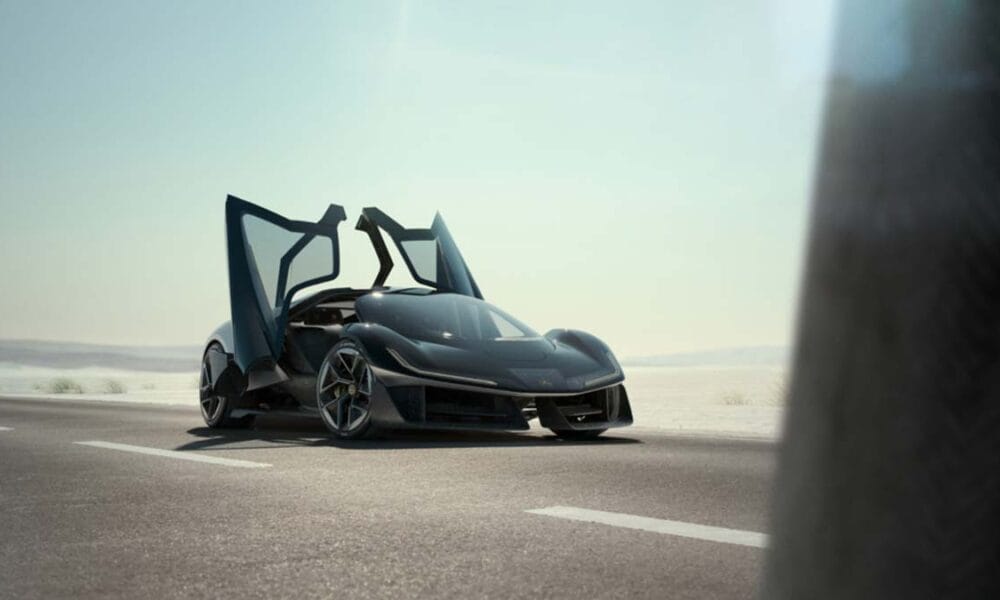
Lotus, a name synonymous with lightweight engineering and dynamic performance, is at a crossroads as it transitions into the electric vehicle (EV) era. The iconic British automaker has revealed ambitious plans to surpass the success of the Emira, its final combustion-engine model, by developing a new generation of electric performance cars. The unveiling of the Theory 1 concept car offers a glimpse into this bold vision, reflecting a meticulous blend of tradition, innovation, and sustainability.
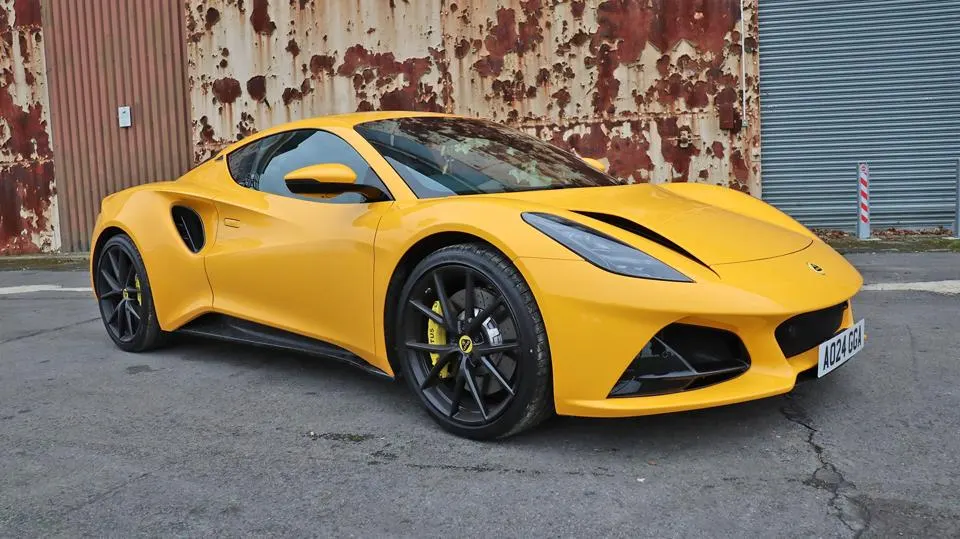
The Emira, celebrated for its precision handling and visceral driving experience, represents the pinnacle of Lotus’s engineering philosophy. As automotive expert James Morris notes, the Emira’s lightweight design prioritizes agility and engagement over sheer power, a characteristic that has defined Lotus for decades. However, the transition to electric powertrains brings new challenges, particularly the significant weight of battery packs. For instance, the Tesla Model 3 Long Range’s battery weighs over 480 kilograms—nearly as much as an entire Lotus chassis from earlier models.
Lotus’s Theory 1 concept embodies its strategy for navigating this transition. Guided by a new design manifesto called The Lotus Theory, the company is redefining performance through three core principles: Digital, Natural, and Analogue. This approach seamlessly integrates cutting-edge technology with human-centric design, creating cars that are both intelligent and emotionally engaging. The LOTUSWEAR™ system is a prime example of this innovation, featuring adaptive robotic textiles that provide real-time feedback to drivers. From grip adjustments to haptic steering cues, this system ensures that driving an electric Lotus remains a sensory experience.
In addition to its advanced interior technology, the Theory 1 incorporates a sophisticated aerodynamic design, lightweight materials, and energy-efficient tyres like the Pirelli P ZERO ELECT™, specifically engineered for EVs. Lotus’s efforts to achieve a target weight of under 1,600 kilograms reflect its commitment to maintaining agility despite the constraints of battery technology.
The core dilemma for Lotus lies in balancing the weight of battery packs with the brand’s hallmark lightweight philosophy. While the Theory 1 showcases advancements like 3D-printed lattice structures and the “Challenge of 10” initiative to minimize material use, the disparity remains stark. High-performance EVs, such as the Rimac Nevera, demonstrate the limitations of current technology in replicating the nimbleness of traditional sports cars. As Morris argues, achieving the Emira’s dynamic balance in an EV would require a near tenfold increase in battery energy density.
Lotus has prioritized a holistic approach to driver engagement with features like binaural audio systems developed in collaboration with KEF, offering bespoke soundscapes for each occupant. These enhancements go beyond performance, emphasizing comfort and user experience. Additionally, the LOTUSWEAR™ Technology Line, powered by NVIDIA’s DRIVE platform, integrates OLED displays and a 360-degree autonomous driving sensor suite, ensuring both safety and digital innovation.
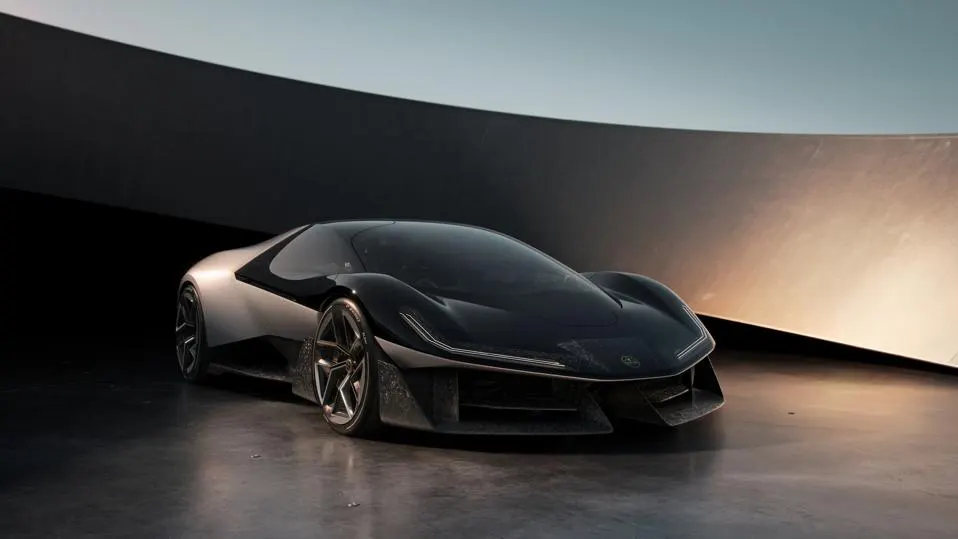
Sustainability is central to Lotus’s vision for the future. The company’s “Challenge of 10” initiative has reduced the number of primary materials used in the Theory 1 to just ten, all chosen for their performance, durability, and recycled properties. This focus on minimalism extends to the car’s design, with lightweight components and advanced aerodynamics enhancing both efficiency and performance. Lotus’s partnership with Kyocera for advanced laser lighting and MotorSkins for wearable robotics further underscores its commitment to innovation and sustainability.
Despite its ambitious plans, Lotus faces stiff competition from established EV manufacturers like Tesla and Porsche, as well as emerging players in the performance EV market. The company’s ability to retain its identity while embracing electrification will be critical. As Morris notes, Lotus must not only attract new customers but also convince long-time enthusiasts that electric powertrains can enhance, rather than dilute, the brand’s legacy.
Lotus has set a high bar for itself with the Theory 1, promising a harmonious blend of digital intelligence and analogue driving pleasure. Whether it can achieve this balance and surpass the Emira’s magic remains to be seen. However, for a company built on defying convention, the electric era offers an opportunity to redefine what performance means in the 21st century.
Sources:
Benz, H. (2024, September 17). Lotus Unveils Theory 1: A Glimpse into the Future of Electric Performance. allaboutevs.info.
Morris, J. (2025, January 18). Can Lotus Make An Electric Sportscar As Good As The Emira?. Forbes.