
Quick Read
- Louis Saia, the director behind the iconic ‘Les Boys’ franchise, died at 75.
- His career bridged experimental theatre and national cinema, focusing on the absurdity of daily life.
- The artistic community is currently coordinating tributes and retrospectives to honor his five-decade legacy.
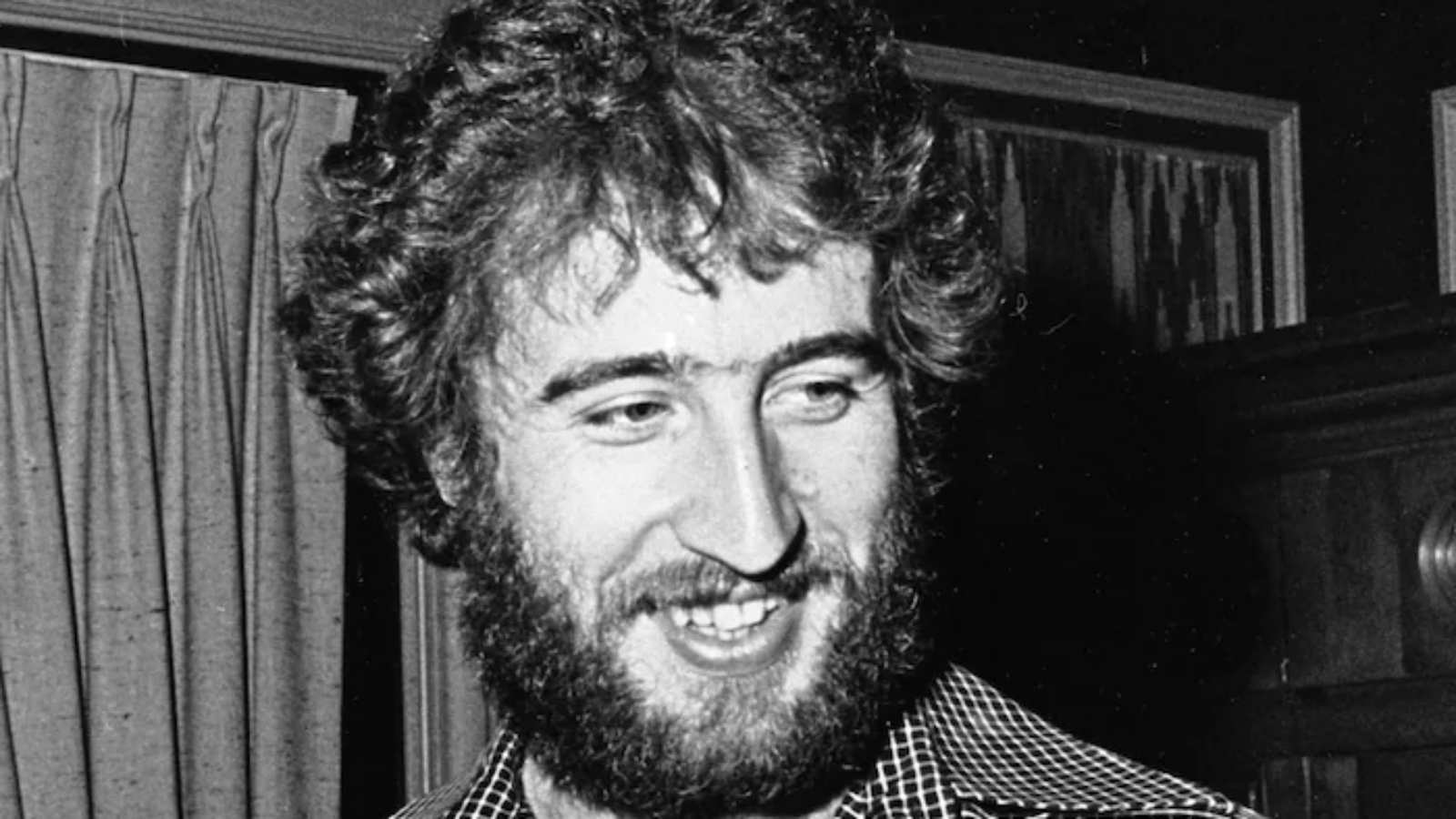
MONTREAL (Azat TV) – The Quebec artistic community is mourning the loss of Louis Saia, the prolific director and writer whose work redefined the province’s comedic landscape. Saia, best known for his central role in crafting the Les Boys film franchise, passed away at the age of 75 following a short illness. His death, confirmed by his agency in the early hours of Wednesday, closes a career that spanned five decades and bridged the gap between experimental theatre and mainstream national cinema.
The Legacy of Les Boys and Quebec Identity
For many, Saia’s name is inextricably linked to the cultural phenomenon of Les Boys. Through his writing and direction, Saia transformed a narrative about amateur hockey players into a touchstone of Quebecois identity. The films, characterized by their blend of rough humor and human vulnerability, entered the local vernacular, with specific lines and phrases becoming shorthand for a particular brand of Quebec resilience. His ability to capture the “hardness of mind” while maintaining a comedic edge allowed Les Boys to transcend the screen and become a piece of cultural property that audiences returned to for years.
A Career Defined by the Absurd
Born in 1950, Saia’s approach to comedy was deeply rooted in his personal history, specifically the transition from his childhood in Montreal’s Petite Italie to the suburbs at age ten. He often cited this move as a foundational “shock” that fueled his lifelong curiosity regarding ordinary human interaction. This curiosity led to the creation of stage classics such as Les Voisins, co-written with Claude Meunier, a work celebrated for its keen observation of the emptiness found in everyday conversations.
Saia’s professional footprint extended far beyond the rink of Les Boys. As both a director and a mentor, he helped launch the careers of numerous performers, directing high-profile comic shows and directing feature films such as Le Sphinx. His work was consistently marked by a distinctive style that mixed popular verve with a streak of the absurd, a sensibility he refined during his early training at a Jesuit college where he was encouraged to experiment with riskier productions.
Reflections on a Cultural Architect
In the wake of his passing, colleagues and public figures have expressed deep sorrow, highlighting Saia’s dual role as a creative force and a builder of talent. Tributes have poured in from across the industry, with many emphasizing his ability to make audiences “laugh, think and gather.” Institutions and festivals are currently shaping plans for retrospectives, while those who worked closely with him continue to share memories of the formative opportunities he provided on both small theatre stages and national cinema sets.
Saia’s enduring impact lies not just in the commercial success of his projects, but in his unique capacity to mine the quiet, uncomfortable pauses in human interaction, turning the mundane into a mirror for society to recognize its own absurdities.