
Quick Read
- Louis Saia, the writer and director behind the iconic Les Boys franchise, has died at 75.
- His career was defined by a long-standing creative partnership with Claude Meunier, influencing decades of Quebec comedy.
- Saia was widely respected as a mentor who shaped the careers of numerous Quebec performers through his work in theatre and television.
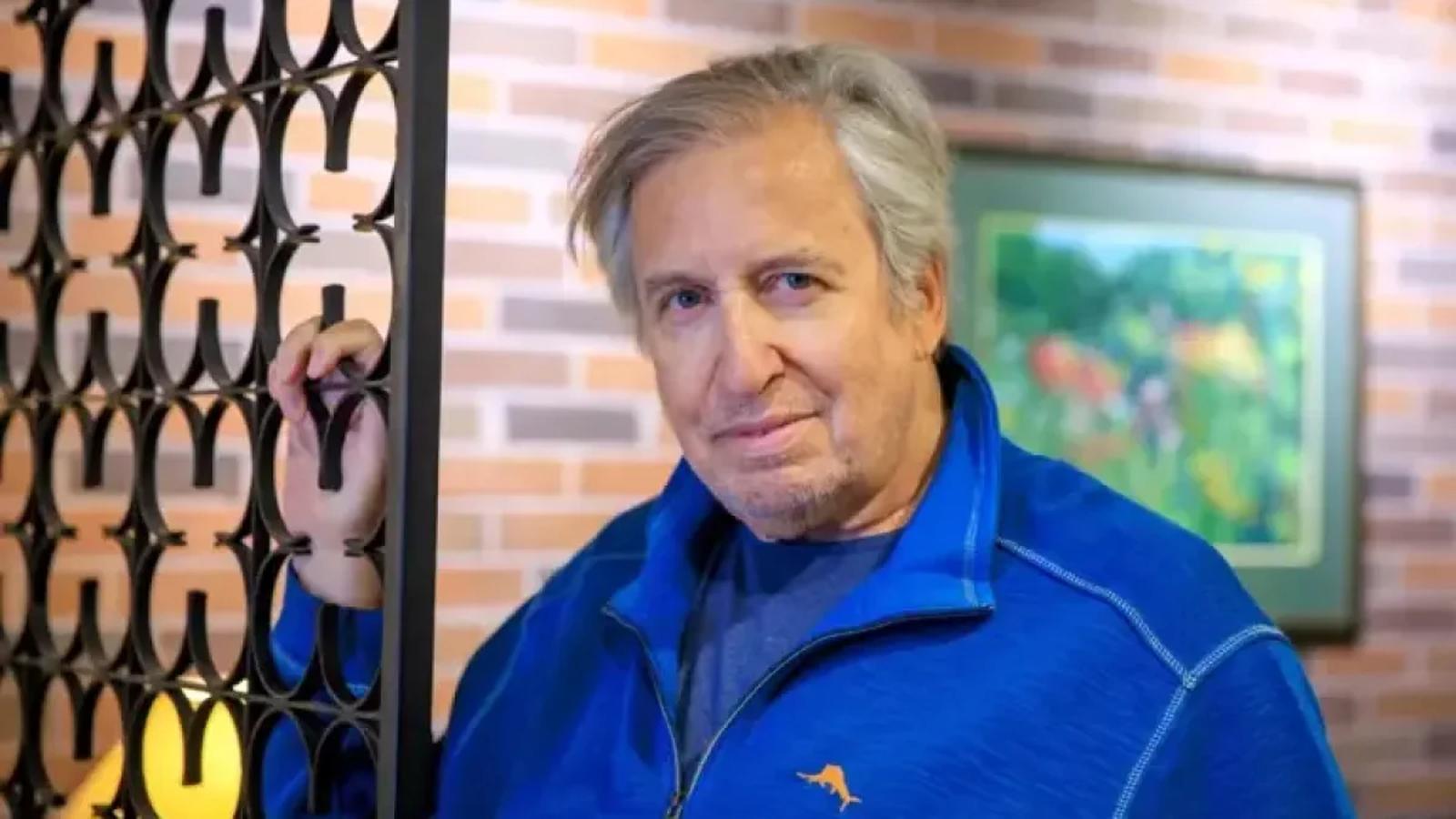
MONTREAL (Azat TV) – The Quebec artistic community is mourning the loss of Louis Saia, the influential writer, director, and stage architect who shaped generations of provincial comedy. Saia died in Montreal at the age of 75 following a short illness, according to an announcement from his agency. His passing marks the end of a prolific career that bridged the gap between the absurdity of everyday suburban life and the mainstream popularity of works like the cinematic hit Les Boys.
The Enduring Legacy of Louis Saia and Les Boys
Saia’s creative footprint is defined by his ability to capture the vacuity and humor within ordinary human interactions. While he is widely recognized for his contributions to the Les Boys film franchise, his career began decades earlier with rigorous experimentation in theatre. Born Luigi Saia, he frequently credited his move from Montreal’s Little Italy to the suburbs at age ten as the primary catalyst for his fascination with domestic rituals and the disconnect often found in suburban conversation—a theme that anchored his cult classic play Les Voisins, co-written with longtime collaborator Claude Meunier.
A Partnership That Defined Quebec Humor
The bond between Saia and Meunier was described by the latter as a “frère de tête” or intellectual brotherhood, forged during their student years and solidified through relentless collaborative writing. Together, they helped build a comedic vocabulary that permeated Quebec theatre, television, and film. Their influence extended beyond their own scripts; Saia served as a mentor and stage director for numerous performers, including those in the group Rock et Belles Oreilles, effectively creating an industry pipeline for comedic talent. Colleagues have since lauded his role as a director who provided the space for actors to explore their craft, a sentiment echoed by comedian André Ducharme.
Reflecting on a Career of Absurdity and Observation
In his later years, Saia often reflected on the roots of his aesthetic, pointing to his Jesuit education as a source of the freedom required to explore the theatrical absurd. His work, ranging from Le Sphinx to Radio Enfer, remained committed to the nuanced observation of the quotidian. As the industry begins to process his loss, the focus remains on how his diverse body of work—from stage plays to blockbuster cinema—will be preserved and reinterpreted for contemporary audiences. The artistic community continues to honor his memory through tributes and the ongoing conversation surrounding his role in shaping the modern Quebec identity.
The death of Saia highlights a pivotal shift in the Quebec cultural canon, as the passing of such a foundational architect of the 1970s and 80s theatrical movement forces a transition from active mentorship to the institutional preservation of a unique, vernacular-driven comedic legacy.