
Quick Read
- A UPS MD-11 cargo plane crashed near Louisville’s Worldport hub on Nov. 4, killing at least nine and injuring 11.
- Emergency crews are still searching for victims; the death toll may rise.
- The crash halted UPS operations at the hub and disrupted flights at Muhammad Ali International Airport.
- Kentucky declared a state of emergency and launched a relief fund for affected families.
- The NTSB and FAA are investigating; no hazardous cargo was aboard.
UPS Plane Crash in Louisville: What Happened?
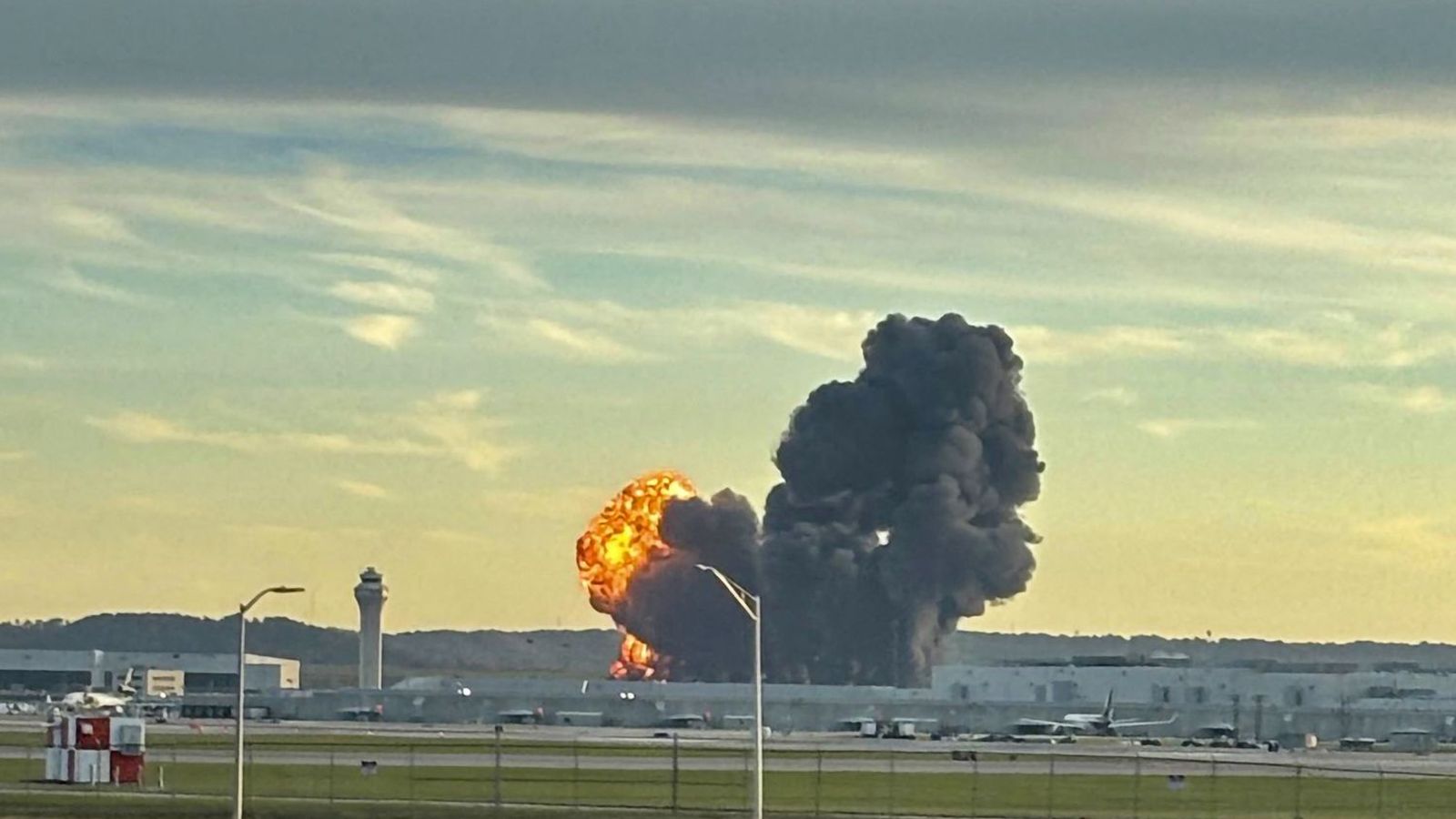
On the evening of November 4, a UPS cargo plane, Flight 2976, crashed shortly after takeoff from Louisville’s Muhammad Ali International Airport, igniting a massive fire and sending black smoke billowing over the city. The aircraft, a McDonnell Douglas MD-11 built in 1991, was headed for Honolulu when it went down near the company’s sprawling Worldport hub—one of the largest package-sorting facilities in the world, employing over 12,000 people and handling hundreds of flights each day.
Initial reports confirmed at least nine fatalities and 11 injuries, with first responders warning that the death toll could rise as the search continued. The impact and subsequent explosion scattered debris across a wide area, creating what officials described as an ‘apocalyptic’ scene. Congressman Morgan McGarvey, D-Ky., summed up the local sentiment: “Louisville looked apocalyptic last night. This is awful. It’s not something you think happens here, and when it does, it impacts every single one of us.” (Fox17)
Rescue Efforts and Community Response
Emergency crews, including more than 200 firefighters, converged on the site to battle flames and conduct search-and-rescue operations. The Okolona Fire Protection District Chief, Mark Little, explained that the recovery would take at least a week, given the sheer size of the crash zone and the complexity of the debris field. A coroner was on site, working to identify victims as families anxiously waited for news.
Louisville Mayor Craig Greenberg and Kentucky Governor Andy Beshear were quick to offer support and reassurance. Beshear declared a state of emergency to accelerate resource deployment and launched the Team Kentucky Emergency Relief Fund to help affected families with immediate needs, including funeral expenses. “We grieve together and we support one another,” Beshear said, emphasizing that no one should worry about funeral costs in such times of collective grief.
Authorities set up a family assistance center at the Louisville Metro Police Training Academy, urging those searching for loved ones to avoid local hospitals and use official channels. Sixteen families reported missing relatives, underscoring the uncertainty and scale of the tragedy.
Impact on Louisville and Ongoing Safety Measures
The crash brought Louisville’s busy air hub to a standstill. UPS halted package sorting, and workers were told to stay home while the investigation unfolded. The airport reopened the morning after the crash, but several taxiways remained closed, and flight delays and cancellations continued. Dan Mann, CEO of the Louisville Regional Airport Authority, noted that first responders had been “instrumental” in reopening the airport, but normal operations were far from restored.
Air quality monitoring was ongoing, and the shelter-in-place order, initially spanning five miles, was reduced to a quarter-mile radius as crews ensured there were no lingering hazards. Mayor Greenberg assured residents that the water supply remained safe, unless specifically advised otherwise by the Louisville Water Company.
Officials also warned residents and businesses not to touch or move crash debris, which could be hazardous or needed for investigation. A temporary flight restriction was implemented by the FAA, with explicit warnings against private drone use near the scene.
Investigation and Broader Implications
The National Transportation Safety Board (NTSB) launched a go-team to Kentucky to lead the investigation, with the Federal Aviation Administration (FAA) providing support. The MD-11 model, though widely used for cargo, has a history of crashes, with this being the tenth since its introduction in the early 1990s and the first involving a UPS-owned aircraft. The previous MD-11 crash occurred in 2010 in Riyadh, Saudi Arabia (Reuters).
UPS, in statements, expressed deep sorrow for the loss and pledged full cooperation with investigators. “Our heartfelt thoughts are with everyone involved,” the company wrote, adding that safety remains its highest priority—especially in Louisville, home to thousands of UPS employees.
Notably, officials confirmed that no hazardous cargo was on board the flight, and the crash narrowly missed several local businesses, including a restaurant bar, an auto parts operation, a Ford plant, and a convention center hosting a livestock show. The Kentucky Petroleum Recycling facility was directly affected.
While the cause of the crash remains under investigation, authorities have been transparent in communicating updates and supporting the community. The incident has disrupted daily life, with lingering questions about infrastructure, emergency preparedness, and the risks inherent in high-volume air freight operations.
Community Resilience Amid Tragedy
In the aftermath, Louisville’s residents have shown resilience and solidarity. Flags are flying at half-staff. The emergency relief fund is drawing donations, and local leaders are encouraging prayers and support for the families affected. Mayor Greenberg’s words resonated: “There are simply no words that can undo what happened. But please know that everyone in Louisville, myself, all levels of government across the state and at the federal level, we’re here for you.”
As the investigation continues, the city faces a period of mourning and recovery, with the hope that lessons learned will help prevent future tragedies. The story is still unfolding, but the collective effort to respond, support, and rebuild offers a glimpse of Louisville’s character in crisis.
While the full details of what caused the crash are yet to emerge, Louisville’s rapid, coordinated response has helped limit further loss and disruption. This tragedy underscores the importance of robust emergency planning and transparent communication—not just for the aviation industry, but for every community touched by sudden disaster.