
Quick Read
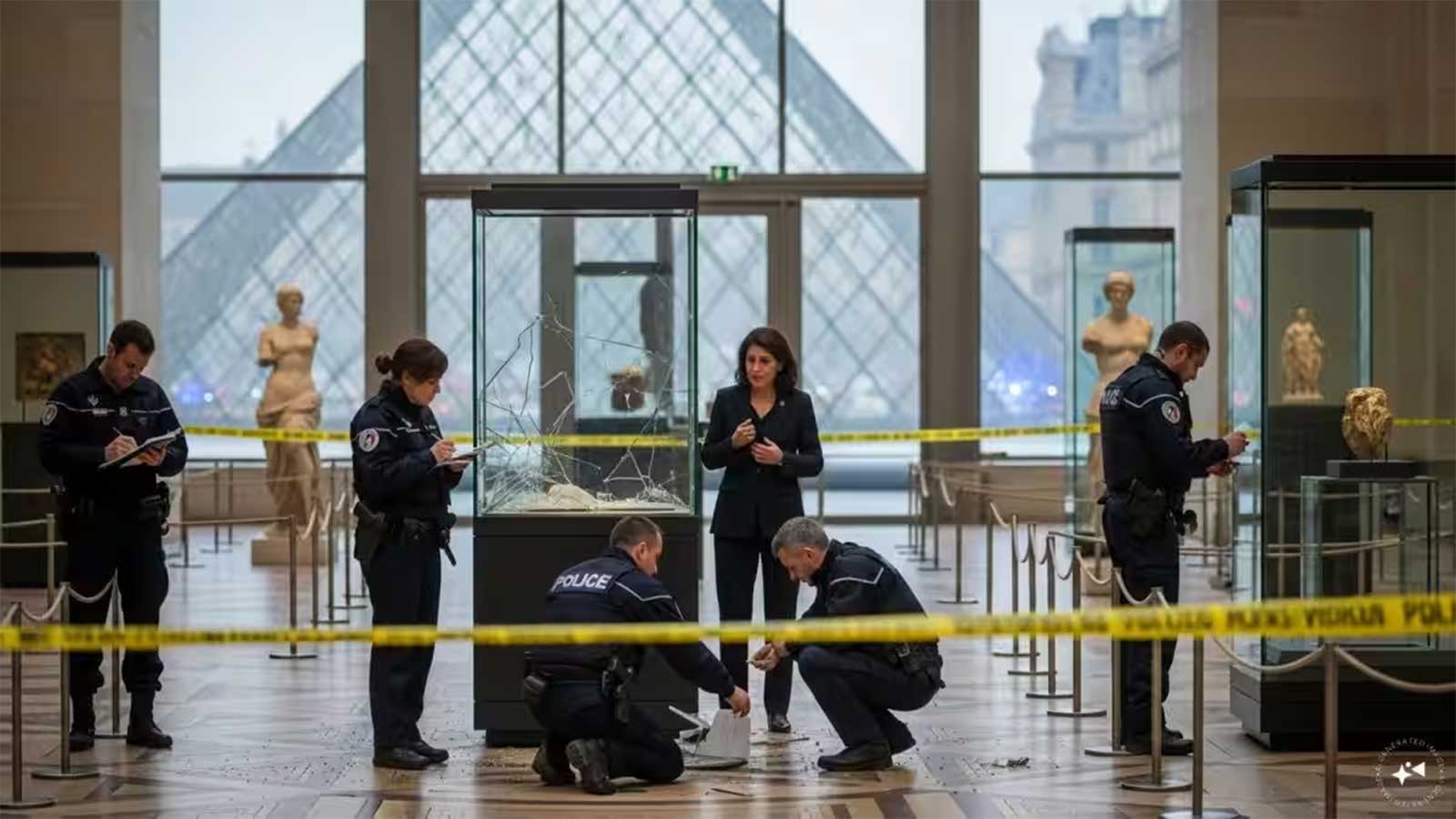
- Three masked thieves broke into the Louvre Museum in Paris this morning, targeting the Apollo Gallery.
- Nine pieces of jewelry were reportedly stolen; the value is still being assessed.
- No injuries have been reported, and police are investigating the incident.
- The museum has been closed for the day, with visitors and staff locked inside during the chaos.
Louvre Museum Robbery Shakes Paris: What Happened?
On an otherwise ordinary morning in Paris, the world-renowned Louvre Museum became the scene of a dramatic robbery that left visitors and staff stunned, and sent shockwaves through France’s cultural heart. Just as the doors opened for another day of art and history, three masked individuals reportedly slipped past the crowds, targeting the museum’s famed Apollo Gallery—a room steeped in opulence and history, housing what remains of France’s crown jewels.
According to BBC and CNN reports, the thieves used a goods lift to access the gallery. Armed with small chainsaws, they managed to snatch nine items of jewelry before escaping on a motor scooter. The precise value of the stolen items is still being assessed, but the location and nature of the theft have raised urgent questions about security protocols in one of the world’s most visited museums.
Inside the Louvre: Chaos, Lockdowns, and Unanswered Questions
Moments after the incident, chaos unfolded both inside and outside the museum. Social media videos captured confused crowds and anxious staff, as security teams locked themselves in with visitors to ensure safety. The gates were closed, and hopeful art lovers who had queued for hours were turned away, told simply: the Louvre was shut for the day, and no one could enter.
One visitor posted on X (formerly Twitter): “Just got to the Louvre and can see the security are locked inside! Everyone at the gates is being told that they cannot go in and that it is shut for today.” For many, this was more than an inconvenience—it was a rare disruption to a cultural pilgrimage, a moment that brought home the vulnerability of even the most iconic institutions.
Official Response: No Injuries, Police Investigation Intensifies
France’s Minister of Culture, Rachida Dati, moved quickly to reassure the public. “No injuries to report,” she stated on social media, emphasizing her presence on site alongside police and museum staff. The Louvre itself released a statement confirming closure due to “exceptional reasons,” a phrase that underscored both the gravity and the unpredictability of the situation.
With police investigating, speculation swirled about how the robbery was carried out and what exactly was taken. The museum declined to offer immediate specifics, focusing instead on the safety of those inside and the integrity of the ongoing investigation. For now, both the public and the press are left with more questions than answers: Who were the masked thieves? How did they breach security so early in the day? And most importantly, what does this mean for the future of museum protection in a city famed for its treasures?
The Apollo Gallery: A Jewel in France’s Cultural Crown
The Apollo Gallery is not just another exhibition room; it’s a space imbued with history and prestige, home to remnants of France’s royal jewelry collection. Its ornate decor, gilded ceilings, and storied past make it a highlight for visitors, and a symbol of the country’s artistic heritage. The theft of jewelry from this gallery isn’t simply a loss of valuables—it’s a blow to national pride, echoing through the marble halls of the Louvre and out into the streets of Paris.
For many, the incident conjures memories of other high-profile art crimes, reminding us that behind every masterpiece and relic lies a story of risk and protection. Museums are more than repositories; they are living spaces where the past meets the present, and where security is as much about safeguarding history as it is about protecting people.
Visitors Left in Limbo: The Human Side of the Story
While the headlines focus on stolen jewels and police investigations, the human drama unfolding within the Louvre is no less compelling. Tourists from around the world found themselves locked inside, their plans derailed and their anticipation replaced by anxiety. Museum staff, trained for emergencies but rarely confronted by such events, faced the challenge of keeping everyone calm and secure.
Outside, families, students, and art lovers waited for news, hoping for a swift resolution. The closure of the Louvre for a day might seem minor in the grand scheme of things, but for those caught in the moment, it was a reminder that even the world’s greatest cultural institutions are not immune to sudden upheaval.
Ongoing Investigation: Security and the Future of the Louvre
As the police comb through evidence and review surveillance footage, the Louvre’s closure serves as a stark warning about the evolving tactics of criminals and the need for robust security measures. The use of chainsaws, the timing of the attack, and the targeted escape all point to a well-planned operation, raising concerns about vulnerabilities in even the most sophisticated systems.
Questions will linger about how the thieves gained access, whether inside information played a role, and what steps the museum will take to prevent future incidents. In the days ahead, the focus will shift from the drama of the moment to the lessons learned—about security, resilience, and the value of cultural heritage.
For now, Paris waits. The city’s heart beats a little faster, its treasures under closer watch, and its people reminded of the delicate balance between openness and protection.
This robbery at the Louvre is a sobering reminder that even the most secure and celebrated cultural sites remain vulnerable to determined criminals. As investigations continue, the challenge for museums everywhere is clear: safeguarding history requires constant vigilance, adaptability, and a renewed commitment to both security and public trust.