
Quick Read
- Lucy Dacus has recommended six books that deeply influence her songwriting and artistic worldview.
- Her selections include works by Rainer Maria Rilke, Mark Z. Danielewski, Elena Ferrante, James Baldwin, Leo Tolstoy, and Carmen Maria Machado.
- The books span genres from memoir and philosophical fiction to experimental horror and classic literature.
- Dacus values literature that explores ambiguity, identity, and the complexities of human emotion.
- Her reading list reflects a commitment to honest, risk-taking storytelling.
Lucy Dacus is known for turning private memory into public song, weaving threads of vulnerability and reflection into every lyric. But to truly understand the creative engine behind her music, it helps to peer into her bookshelf. The indie rock singer-songwriter, praised for her candid storytelling and emotional precision, draws inspiration from a diverse range of authors who challenge, unsettle, and illuminate the human condition. The six books she recommends aren’t just favorites—they are guideposts on her own journey as an artist and a person. Each title invites readers to wrestle with uncertainty, identity, and the messy beauty of existence, mirroring the themes that pulse through Dacus’s own body of work. (Source: Times Now News)
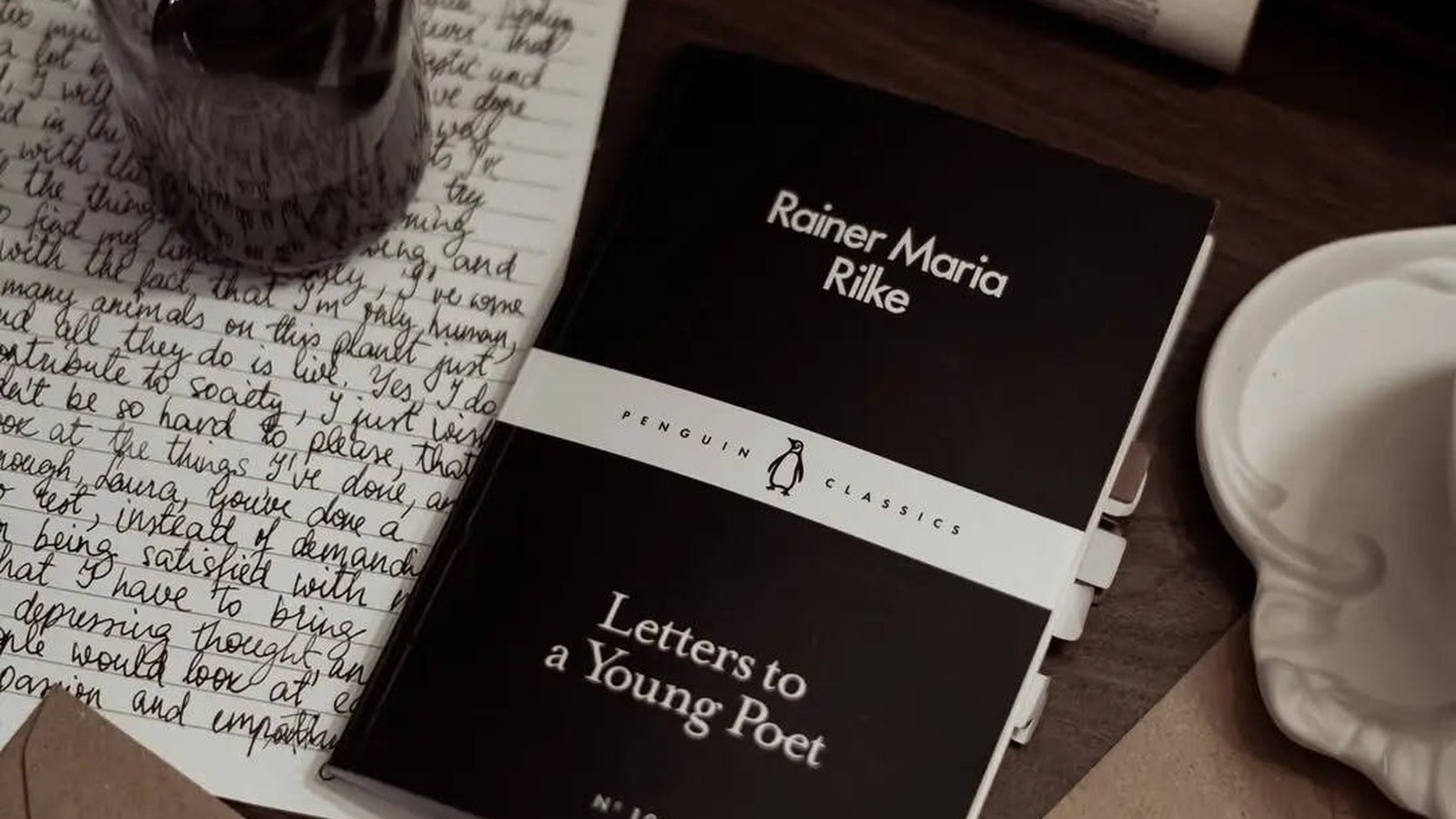
Letters to a Young Poet: Embracing the Unanswerable
Rainer Maria Rilke’s Letters to a Young Poet is a classic for anyone at a creative crossroads. Dacus gravitates to Rilke’s willingness to dwell in ambiguity—the poet’s advice to his young correspondent is not about achieving certainty, but about learning to live with questions. The letters, written over five years, reflect on solitude, love, and the persistent ache of creative doubt. For Dacus, the resonance is clear: true artistry grows not from easy answers, but from a willingness to engage with the unknown. Rilke’s philosophy aligns with the emotional honesty she brings to her music, where uncertainty isn’t a flaw but a source of depth and authenticity.
House of Leaves: The Architecture of Fear and Obsession
Mark Z. Danielewski’s House of Leaves is a literary labyrinth—both literally and structurally. The novel’s story unfolds through layers of narrative: a tattoo shop worker stumbles upon a dead man’s manuscript, analyzing a documentary about a house whose dimensions defy the laws of physics. As the protagonist’s obsession deepens, the book’s own format spirals out—footnotes twist across the page, text runs backwards, and blank spaces evoke the void at the heart of the tale. Dacus, who crafts songs with intricate emotional architecture, finds inspiration in Danielewski’s experimental style and the way the book blurs the boundaries between reality and perception. It’s a testament to the power of form to reflect content, something she strives for in her own songwriting.
My Brilliant Friend: Friendship as Rivalry and Refuge
Elena Ferrante’s My Brilliant Friend charts the volatile friendship of two girls, Elena and Lila, growing up in postwar Naples. Their relationship is a tangle of admiration, competition, and mutual dependence—a dynamic as beautiful as it is fraught. Dacus is drawn to Ferrante’s fearless portrayal of female friendship, where love and envy coexist and personal destinies are shaped by social forces beyond one’s control. The novel’s exploration of class, violence, and the longing for escape resonates with Dacus’s own storytelling, which often examines how our closest relationships can both sustain and confine us.
The Fire Next Time: Race, Identity, and the Urgency of Truth
James Baldwin’s The Fire Next Time is a searing meditation on race in America, delivered through two essays—a letter to Baldwin’s nephew and a personal reflection on religion and social justice. Baldwin’s writing is both intimate and unflinching, challenging readers to confront uncomfortable truths about history, identity, and the possibility of redemption. For Dacus, Baldwin’s blend of personal narrative and political insight exemplifies the kind of risk-taking she admires in art: a willingness to expose wounds and demand accountability. It’s a book that refuses consolation, insisting that genuine progress begins with honest reckoning.
War and Peace: Chaos, Destiny, and the Search for Meaning
Leo Tolstoy’s War and Peace might seem like an unlikely choice for a contemporary indie musician, but for Dacus, its sweeping scope and philosophical ambition make it essential reading. The novel traces the fortunes of Russian aristocrats caught in the upheaval of Napoleon’s 1812 invasion, but its true subject is the search for meaning amid historical chaos. Tolstoy’s characters—Pierre, Natasha, Andrei—grapple with love, mortality, and fate, questioning whether individual lives can shape, or are merely shaped by, the forces around them. Dacus is drawn to the novel’s refusal to offer simple answers, instead finding beauty in uncertainty and the struggle to make sense of a world in flux.
Her Body and Other Parties: Reimagining the Boundaries of Story
Carmen Maria Machado’s Her Body and Other Parties is a genre-bending collection that fuses horror, science fiction, and queer desire. Each story disrupts familiar narratives—whether reinterpreting Law & Order: SVU episodes or depicting a wife whose body literally vanishes—blending fairy-tale logic with raw realism. Machado’s work interrogates violence, sexuality, and power, refusing tidy resolutions and exposing the limits of conventional storytelling. Dacus, whose songs often inhabit liminal spaces between genres and identities, finds a kindred spirit in Machado’s willingness to challenge form and expectation, using the fantastic to illuminate the real.
Literature as Compass: Shaping the Artist’s Inner Life
For Lucy Dacus, reading is not a retreat from her music, but a vital part of her creative process. Each book she recommends reflects a different aspect of her artistic identity: the embrace of ambiguity, the courage to experiment, the commitment to truth, and the urge to dismantle boundaries. These selections are more than just a reading list—they are invitations to see the world through new eyes, to question what we take for granted, and to find connection in the act of searching. As with her songs, Dacus’s literary influences remind us that the most powerful stories are those that echo long after the last page is turned, shaping how we understand ourselves and each other.
Lucy Dacus’s chosen books reveal a creator who thrives on curiosity, risk, and depth—qualities that infuse her music and set her apart as a storyteller. By seeking out works that challenge the form and content of narrative, she continually expands her own artistic boundaries. This reading list isn’t just a reflection of her taste; it’s a blueprint for creative growth through openness, honesty, and fearless exploration.